c. 1880s
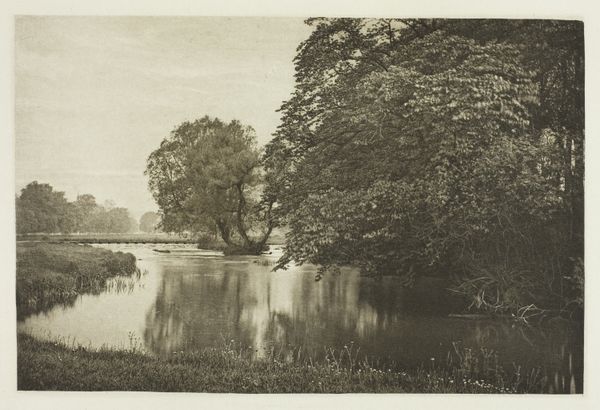
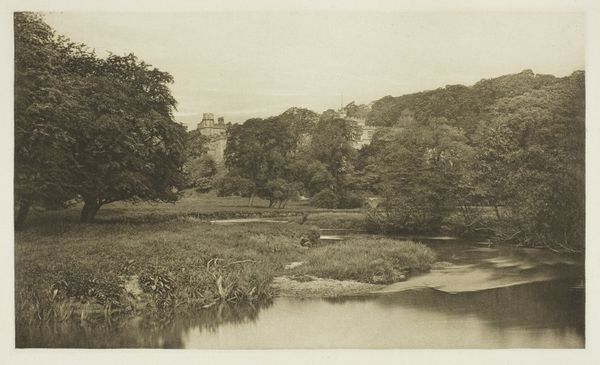
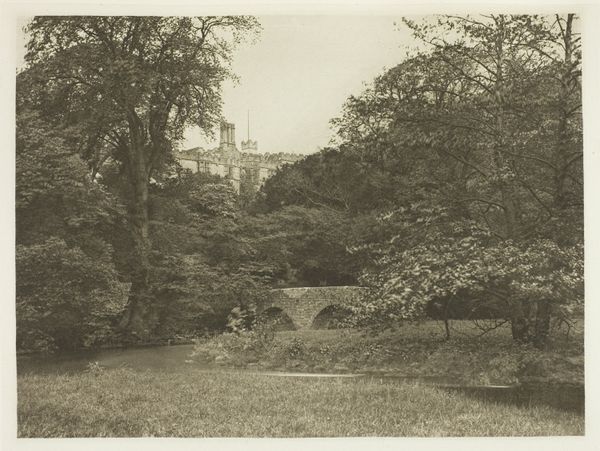
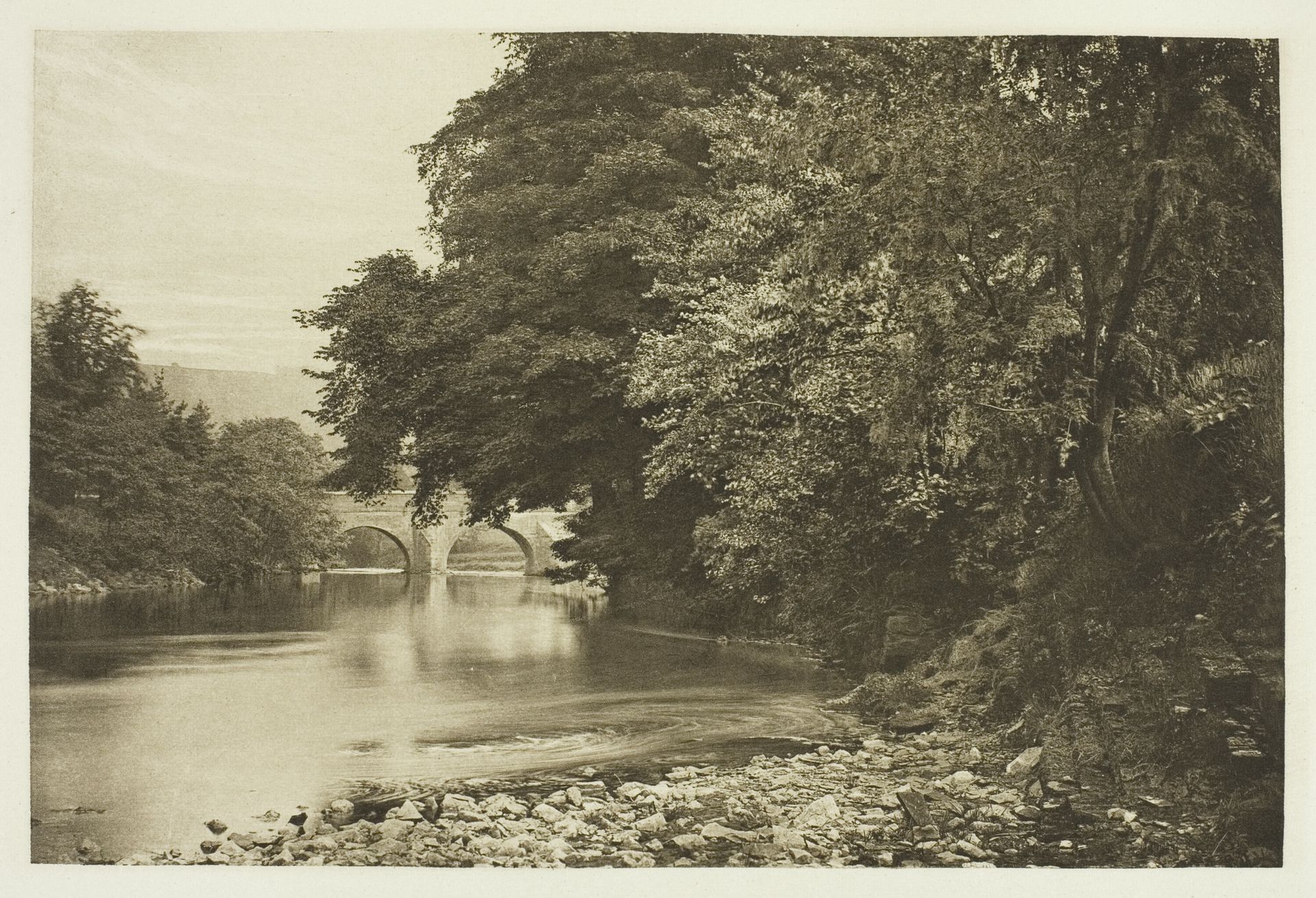
Rowsley Bridge, on the Derwent


Listen to curator's interpretation
Curatorial notes
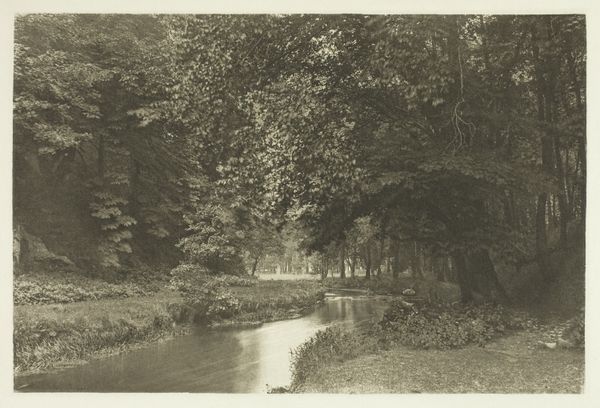
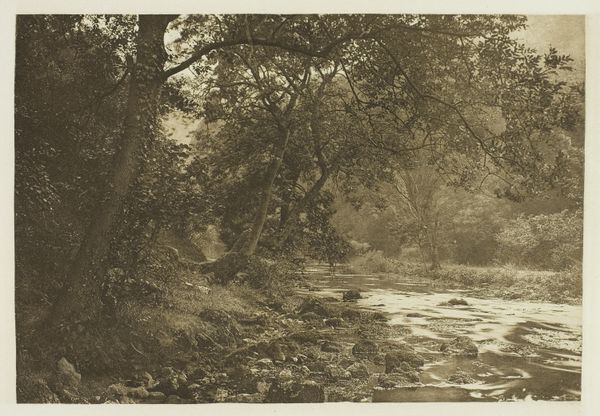
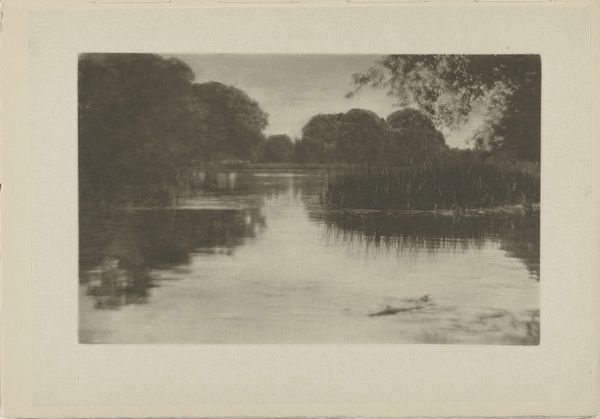
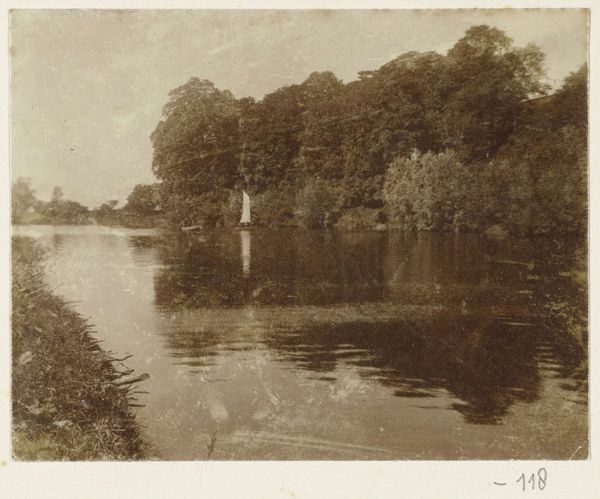
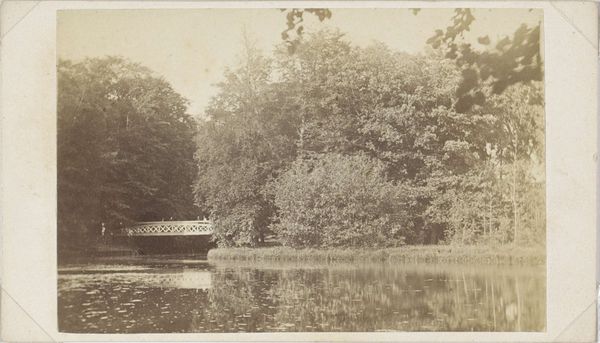
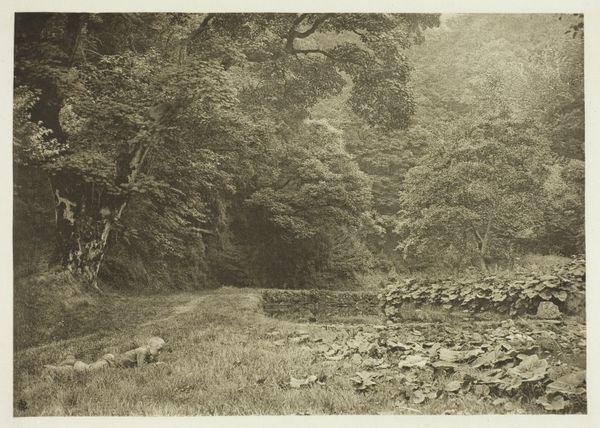
Peter Henry Emerson made this photograph, Rowsley Bridge, on the Derwent, using the photogravure process. This involved etching a copper plate and using it to make a print, a process that combines mechanical reproduction with the hand-crafted values of printmaking. Emerson was part of the movement to establish photography as a fine art, and he often chose rural subjects, such as the Rowsley Bridge, on the Derwent. The photogravure medium, with its tonal depth, brings out the scene's picturesque qualities; the water, bridge, and foliage. What’s interesting here is that photography, from its inception, had an ambiguous status: was it art or industry? The photogravure process, used by Emerson, deliberately slows down the process of image-making. It also imbues it with the authority of etching. In this way, Emerson elevated the status of photography as a medium. By considering these issues of materiality, process, and social context, we can fully appreciate the depth and significance of this work.