About this artwork
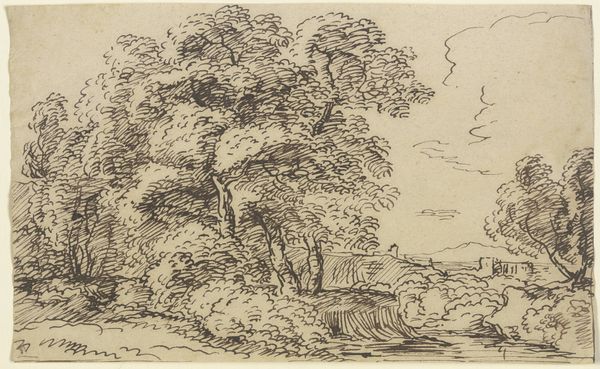
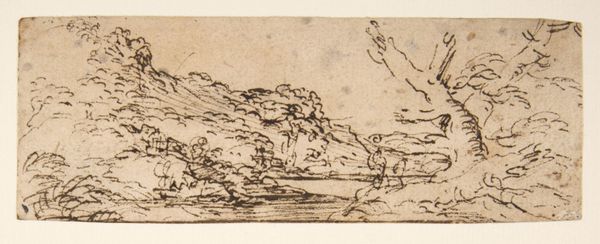
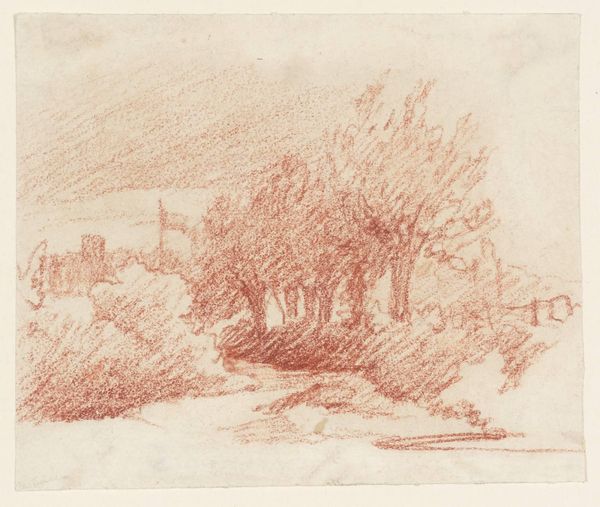
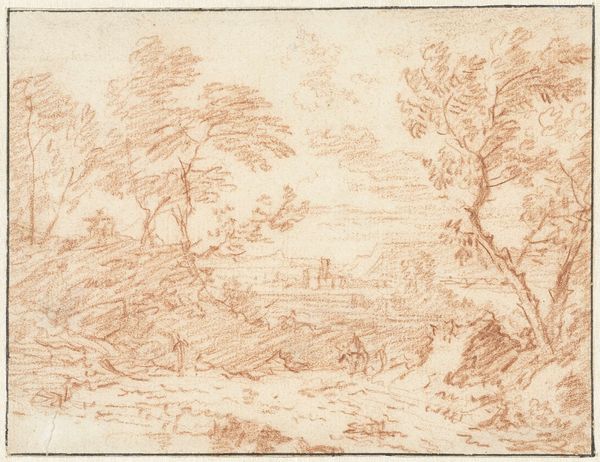
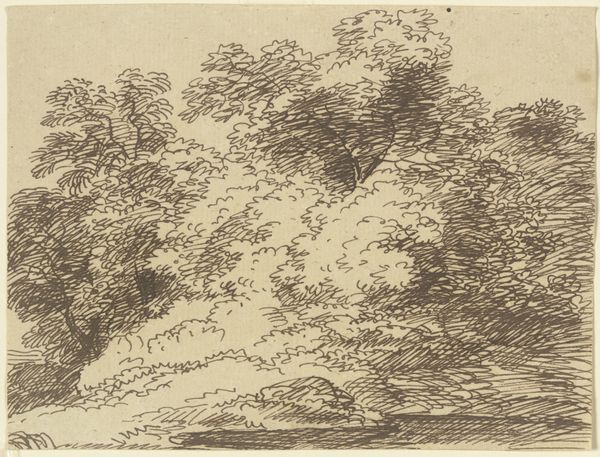
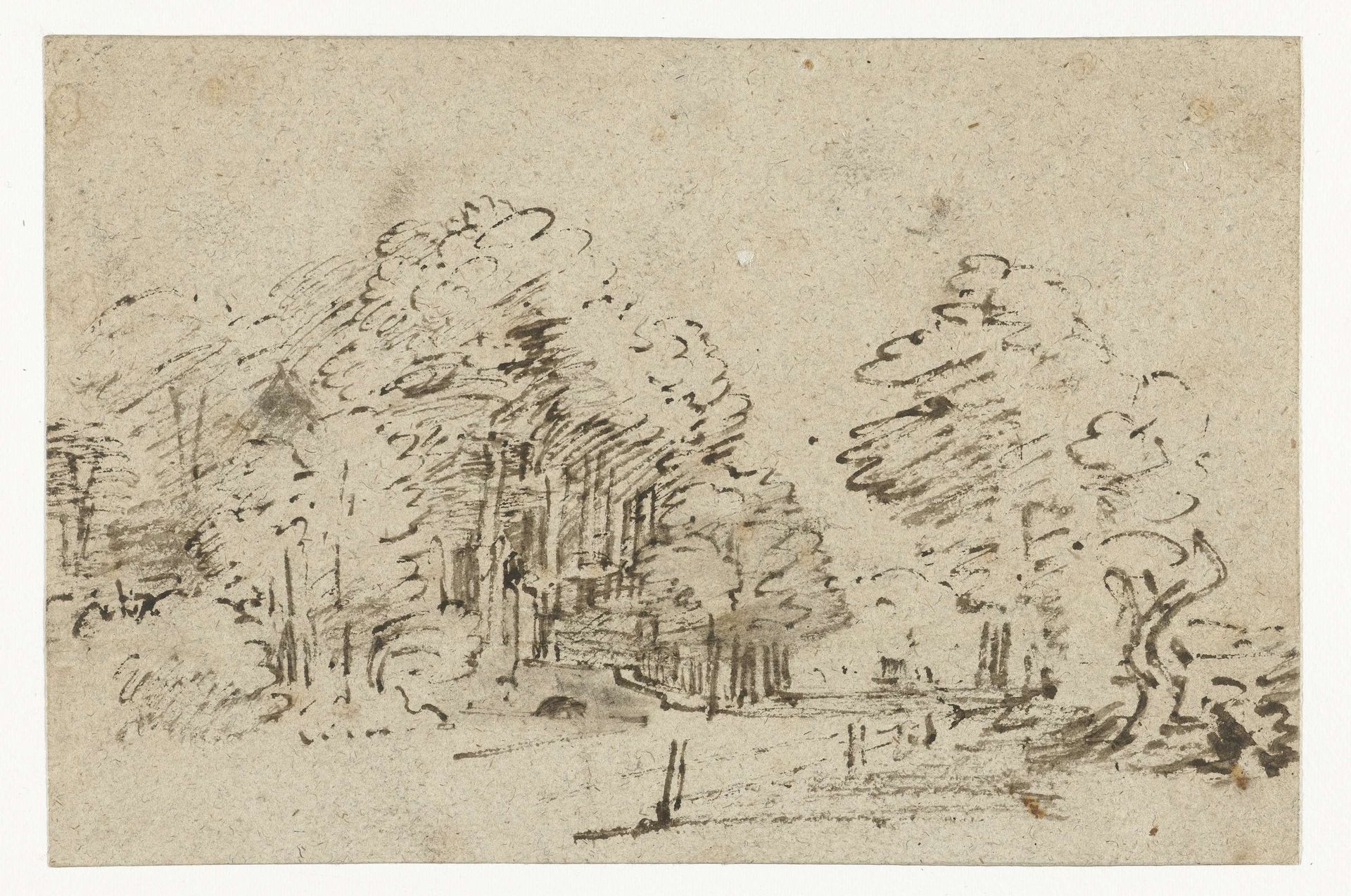
"View of the Amstelveenseweg outside Amsterdam" is a drawing by Rembrandt van Rijn, held at the Rijksmuseum. The initial impression is one of tangled lines that pull the viewer into a natural setting. Dominant dark marks create depth and shadow. Rembrandt masterfully uses the expressive potential of line to structure the landscape. Quick, energetic strokes define the trees and foliage. These forms destabilize any conventional landscape categories, challenging the picturesque through his mark-making. The composition lacks a clear focal point, and instead, invites a wandering exploration of form and texture. Ultimately, it is Rembrandt’s formal construction of space and depth that engages us. The scene offers an intimate view, not just of a place, but of a mind processing its environment through the very act of drawing. We are reminded that art provides a space for continuous questioning and seeing the world anew.
View of the Amstelveenseweg outside Amsterdam c. 1660 - 1662

Rembrandt van Rijn
1606 - 1669Location
RijksmuseumArtwork details
- Medium
- drawing, ink
- Dimensions
- height 135 mm, width 204 mm
- Location
- Rijksmuseum
- Copyright
- Rijks Museum: Open Domain
Tags
drawing
dutch-golden-age
pen sketch
landscape
ink
line
realism
Comments

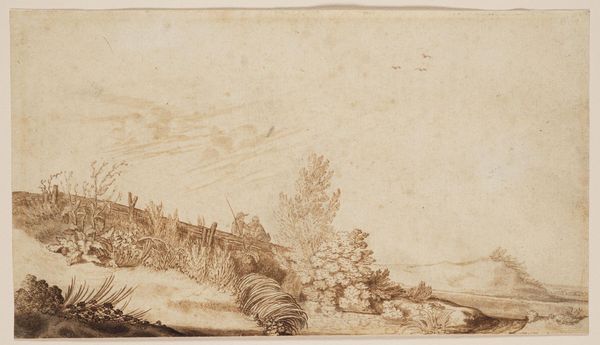
At the centre is the Amstelveenseweg disappearing into the distance towards Amstelveen. To the left of this road is a ditch with a stone bridge over it. A path under the trees leads via an entrance gate to a house, part of the roof of which is represented. Rembrandt first drew the scene sketchily with a reed pen, then used a brush or wet finger to add some shadows.
About this artwork
"View of the Amstelveenseweg outside Amsterdam" is a drawing by Rembrandt van Rijn, held at the Rijksmuseum. The initial impression is one of tangled lines that pull the viewer into a natural setting. Dominant dark marks create depth and shadow. Rembrandt masterfully uses the expressive potential of line to structure the landscape. Quick, energetic strokes define the trees and foliage. These forms destabilize any conventional landscape categories, challenging the picturesque through his mark-making. The composition lacks a clear focal point, and instead, invites a wandering exploration of form and texture. Ultimately, it is Rembrandt’s formal construction of space and depth that engages us. The scene offers an intimate view, not just of a place, but of a mind processing its environment through the very act of drawing. We are reminded that art provides a space for continuous questioning and seeing the world anew.
Comments
At the centre is the Amstelveenseweg disappearing into the distance towards Amstelveen. To the left of this road is a ditch with a stone bridge over it. A path under the trees leads via an entrance gate to a house, part of the roof of which is represented. Rembrandt first drew the scene sketchily with a reed pen, then used a brush or wet finger to add some shadows.