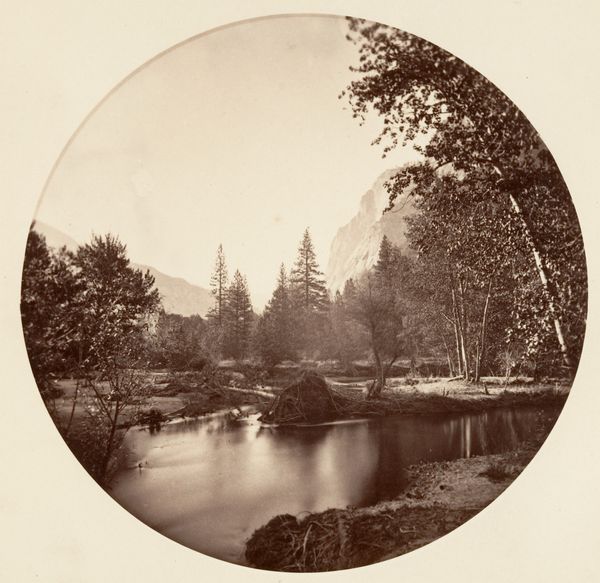
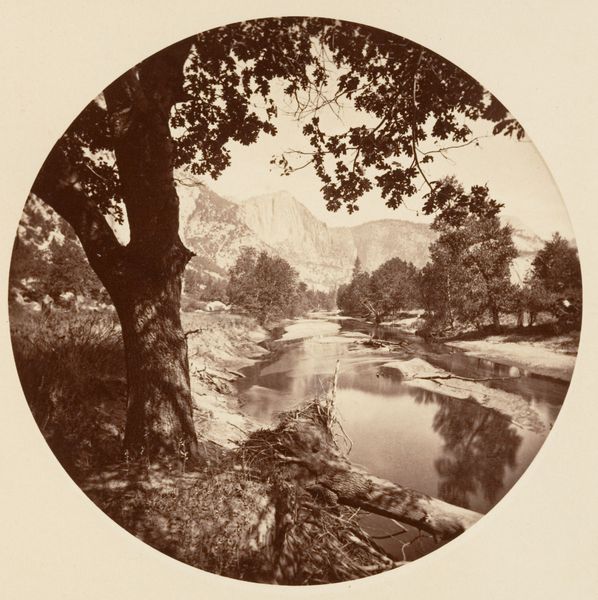
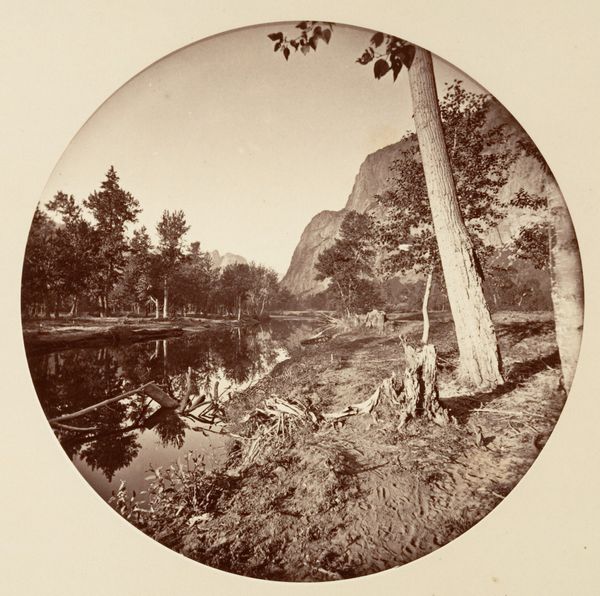
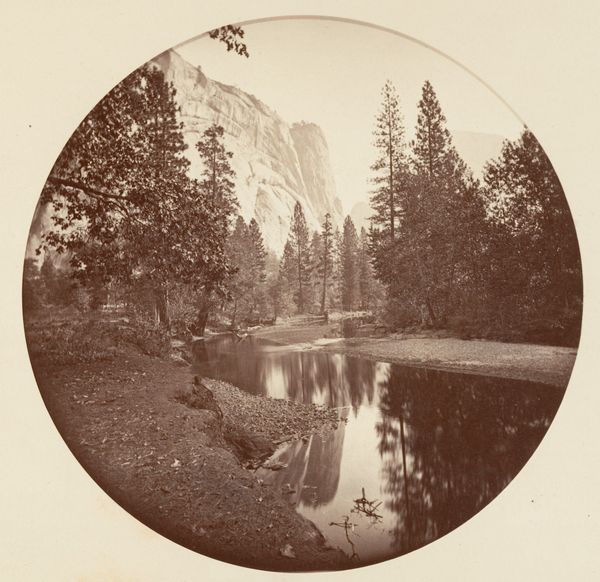
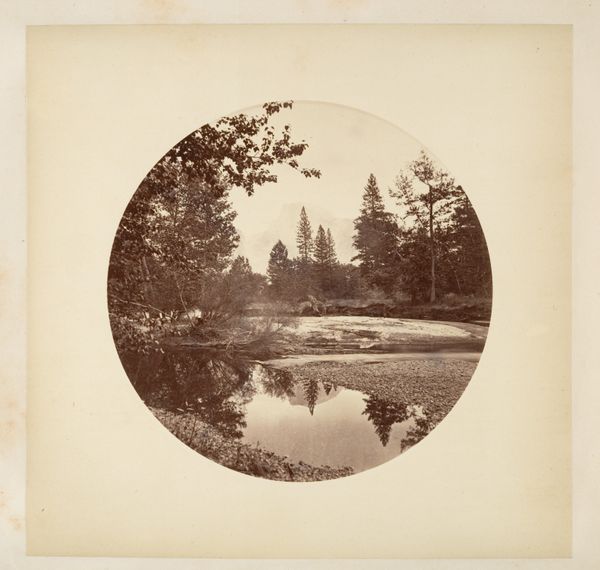
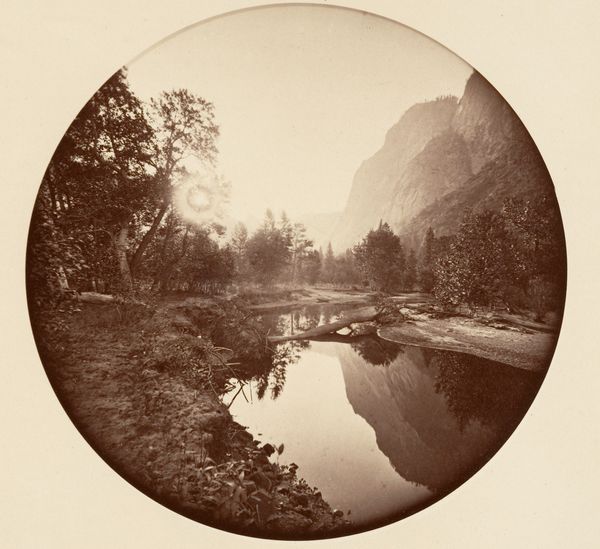
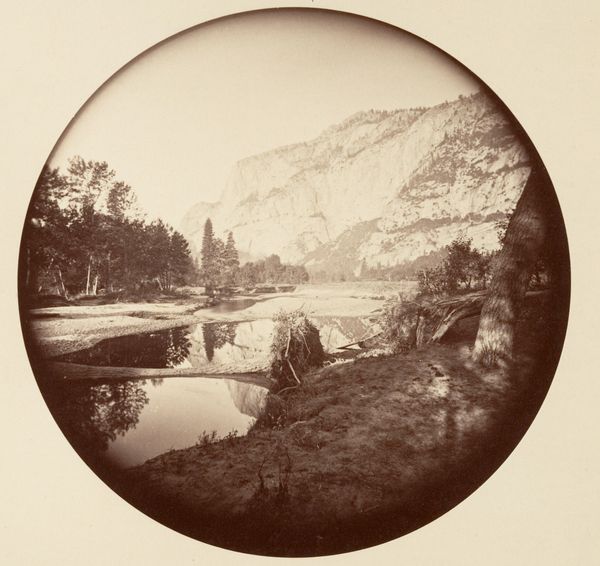
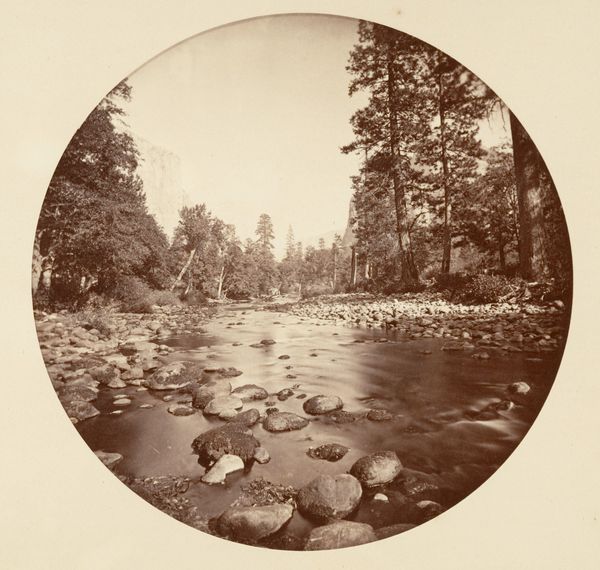
![[Yosemite National Park, California] by Carleton E. Watkins](https://d2w8kbdekdi1gv.cloudfront.net/eyJidWNrZXQiOiAiYXJ0ZXJhLWltYWdlcy1idWNrZXQiLCAia2V5IjogImFydHdvcmtzLzIyZjlkNDU2LTQ2M2ItNDZmNS1iMzczLWMzZjRiOTMwNzkzMi8yMmY5ZDQ1Ni00NjNiLTQ2ZjUtYjM3My1jM2Y0YjkzMDc5MzJfZnVsbC5qcGciLCAiZWRpdHMiOiB7InJlc2l6ZSI6IHsid2lkdGgiOiAxOTIwLCAiaGVpZ2h0IjogMTkyMCwgImZpdCI6ICJpbnNpZGUifX19)
1876 - 1880
[Yosemite National Park, California]

Carleton E. Watkins
1829 - 1916
The Metropolitan Museum of Art
Metropolitan Museum of Art, New York, NYListen to curator's interpretation
Curatorial notes
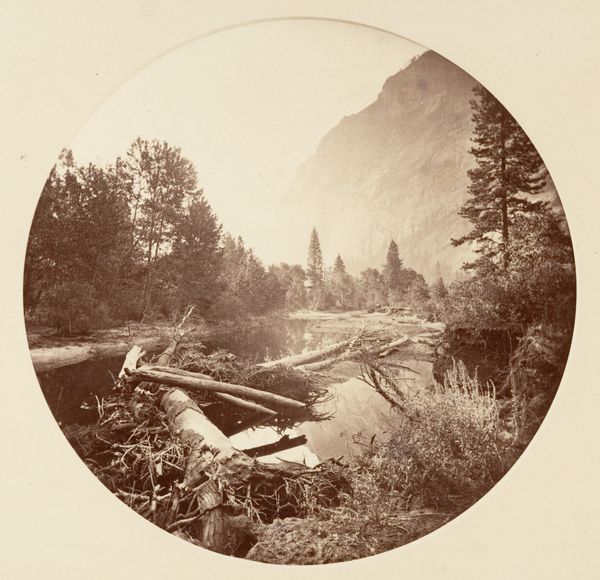
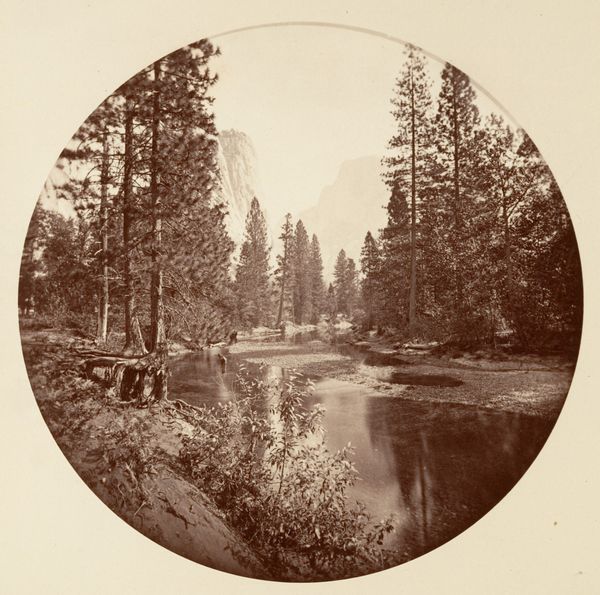
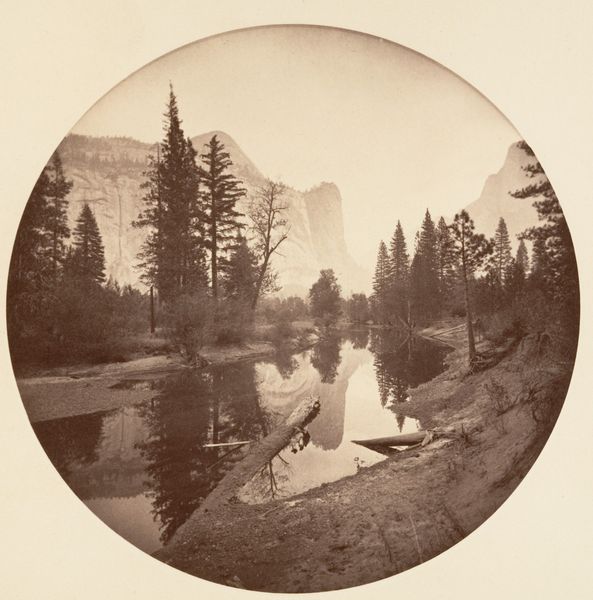
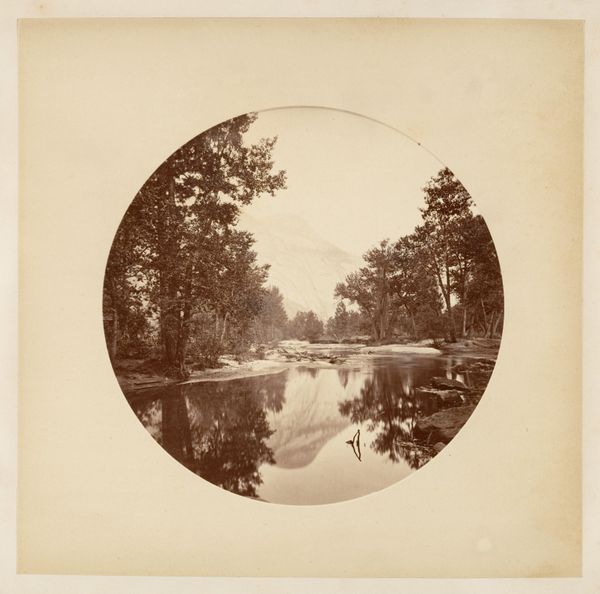
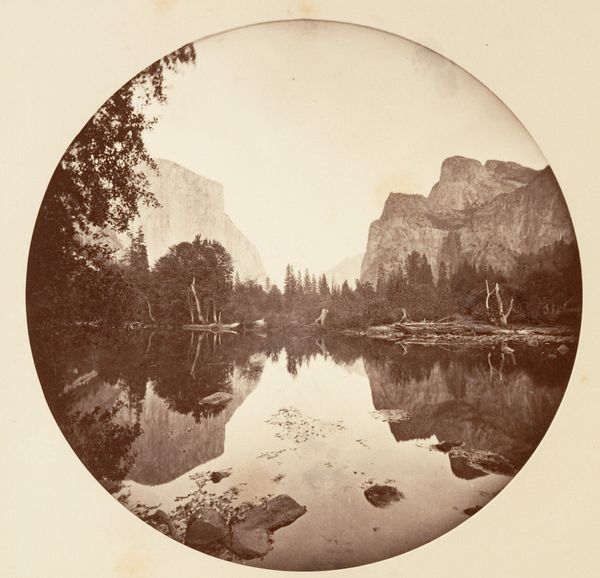
Carleton Watkins captured Yosemite National Park in this circular albumen print. The composition reveals an idyllic landscape, a pristine river mirroring the towering, cathedral-like rock formations in the background. These towering rocks evoke a sense of the sublime, similar to the sacred mountains found across cultures, from Mount Olympus in ancient Greece to Mount Fuji in Japan. Watkins's framing of these rocks might be seen as a secular take on the divine, turning the American West into a site of spiritual contemplation. We can also connect it to the Romantic movement’s idealization of nature as a refuge. The mirroring river, a motif recurring throughout art history, becomes a symbol of reflection and introspection. In psychological terms, it might represent the self, inviting viewers to find their own reflection within the vastness of nature. Thus, the landscape, imbued with these symbols, becomes a canvas for our own cultural and emotional projections.