About this artwork
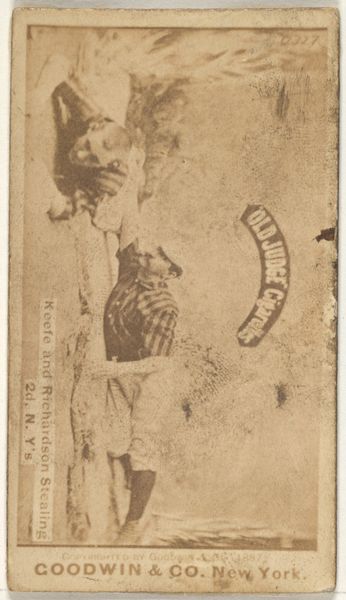
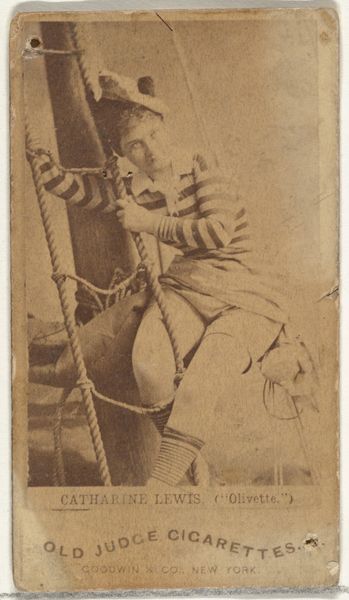
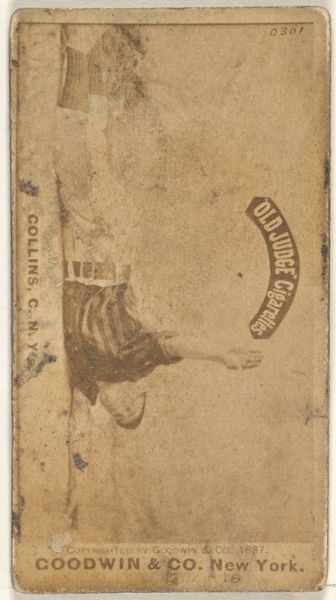
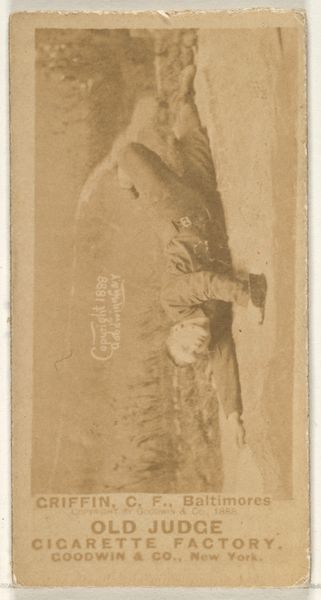
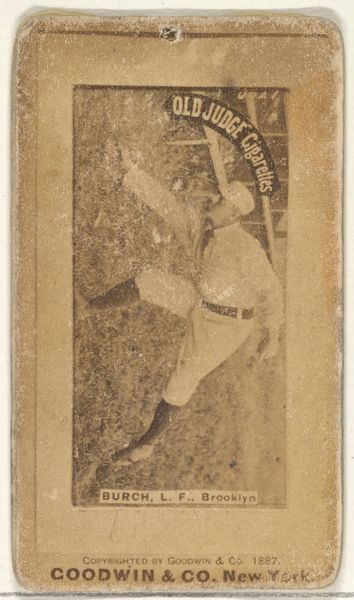
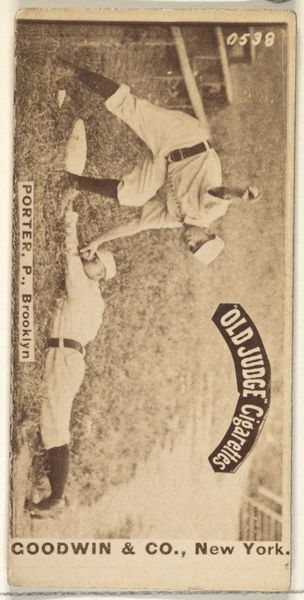
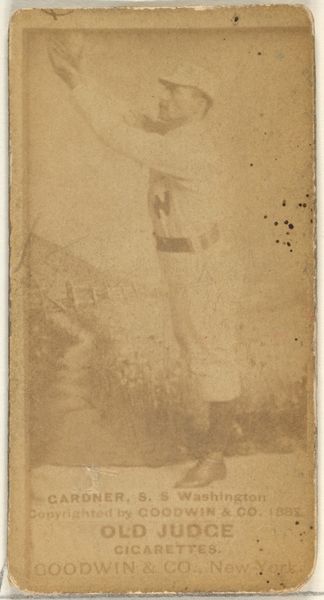
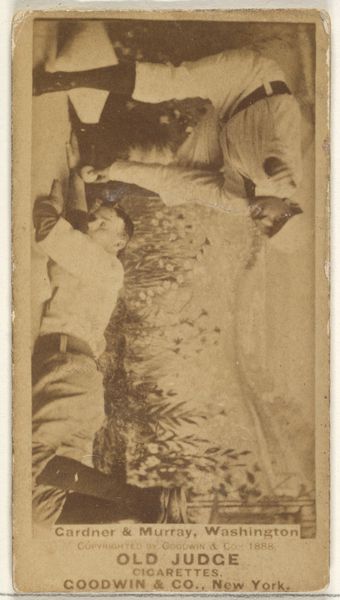
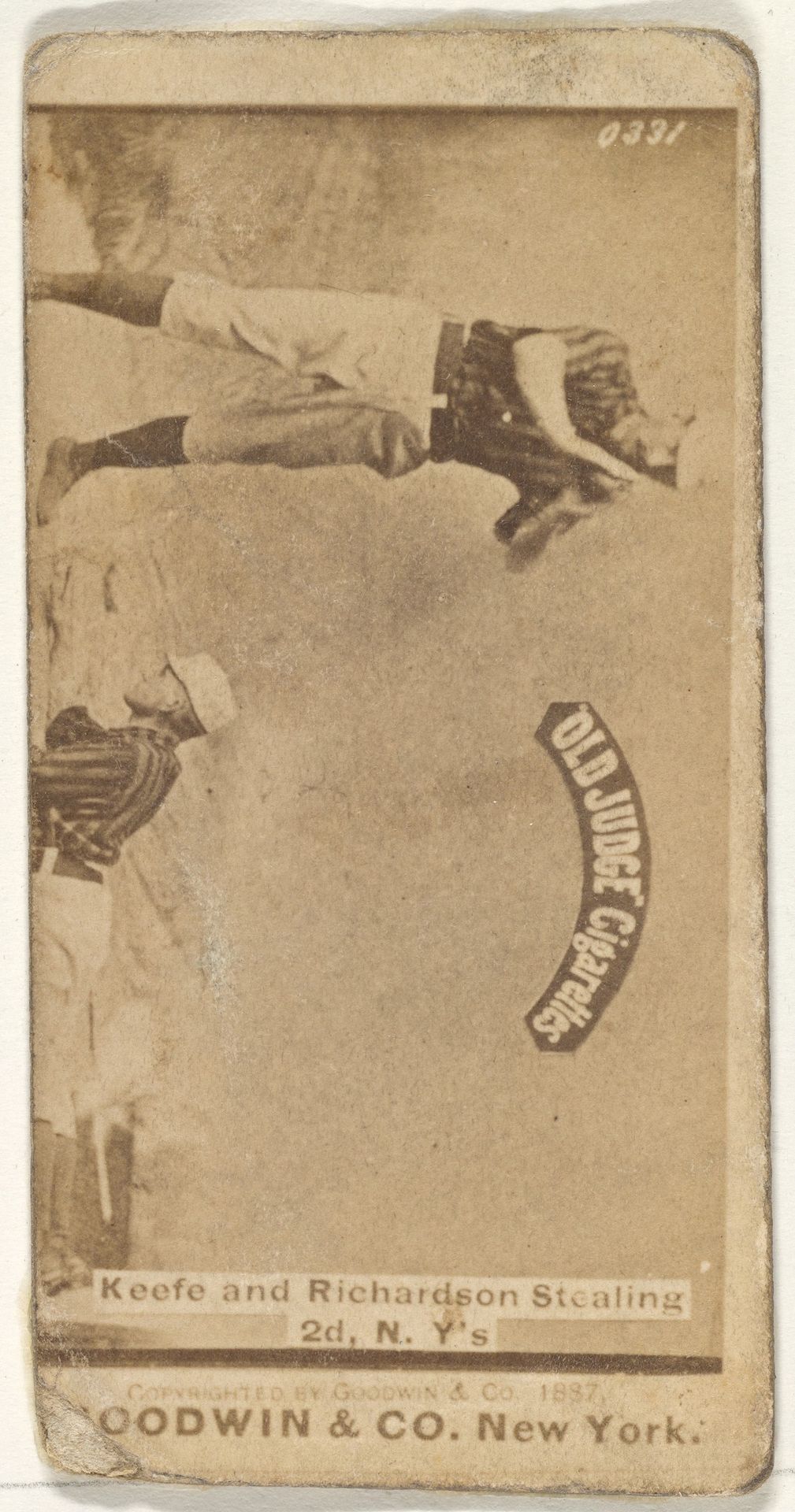
Goodwin & Company created this small Old Judge Cigarettes baseball card, featuring players Keefe and Richardson of the New York team. These cards, distributed with tobacco products, offer a window into the cultural landscape of the late 19th century. These cards were more than just promotional items; they reflected and shaped societal values. As baseball rose in popularity, it became intertwined with ideas of masculinity, and national identity. The idealized image of the baseball player was that of a white, athletic man. Yet, the story of baseball, like that of America itself, is more complex. While these cards celebrated certain figures, they often excluded others, particularly people of color. These absences speak volumes about the racial biases of the time. Consider this card as a historical artifact, which encapsulates the dreams, aspirations, and exclusions of a bygone era. It invites us to reflect on whose stories are told, and whose are left out.
Keefe and Richardson Stealing 2nd Base, New York, from the Old Judge series (N172) for Old Judge Cigarettes
1887


Artwork details
- Medium
- print, photography, photomontage, gelatin-silver-print
- Dimensions
- sheet: 1 3/8 x 2 11/16 in. (3.5 x 6.9 cm)
- Location
- Metropolitan Museum of Art, New York, NY
- Copyright
- Public Domain
Tags
Comments
Share your thoughts
About this artwork
Goodwin & Company created this small Old Judge Cigarettes baseball card, featuring players Keefe and Richardson of the New York team. These cards, distributed with tobacco products, offer a window into the cultural landscape of the late 19th century. These cards were more than just promotional items; they reflected and shaped societal values. As baseball rose in popularity, it became intertwined with ideas of masculinity, and national identity. The idealized image of the baseball player was that of a white, athletic man. Yet, the story of baseball, like that of America itself, is more complex. While these cards celebrated certain figures, they often excluded others, particularly people of color. These absences speak volumes about the racial biases of the time. Consider this card as a historical artifact, which encapsulates the dreams, aspirations, and exclusions of a bygone era. It invites us to reflect on whose stories are told, and whose are left out.
Comments
Share your thoughts