

before 1877
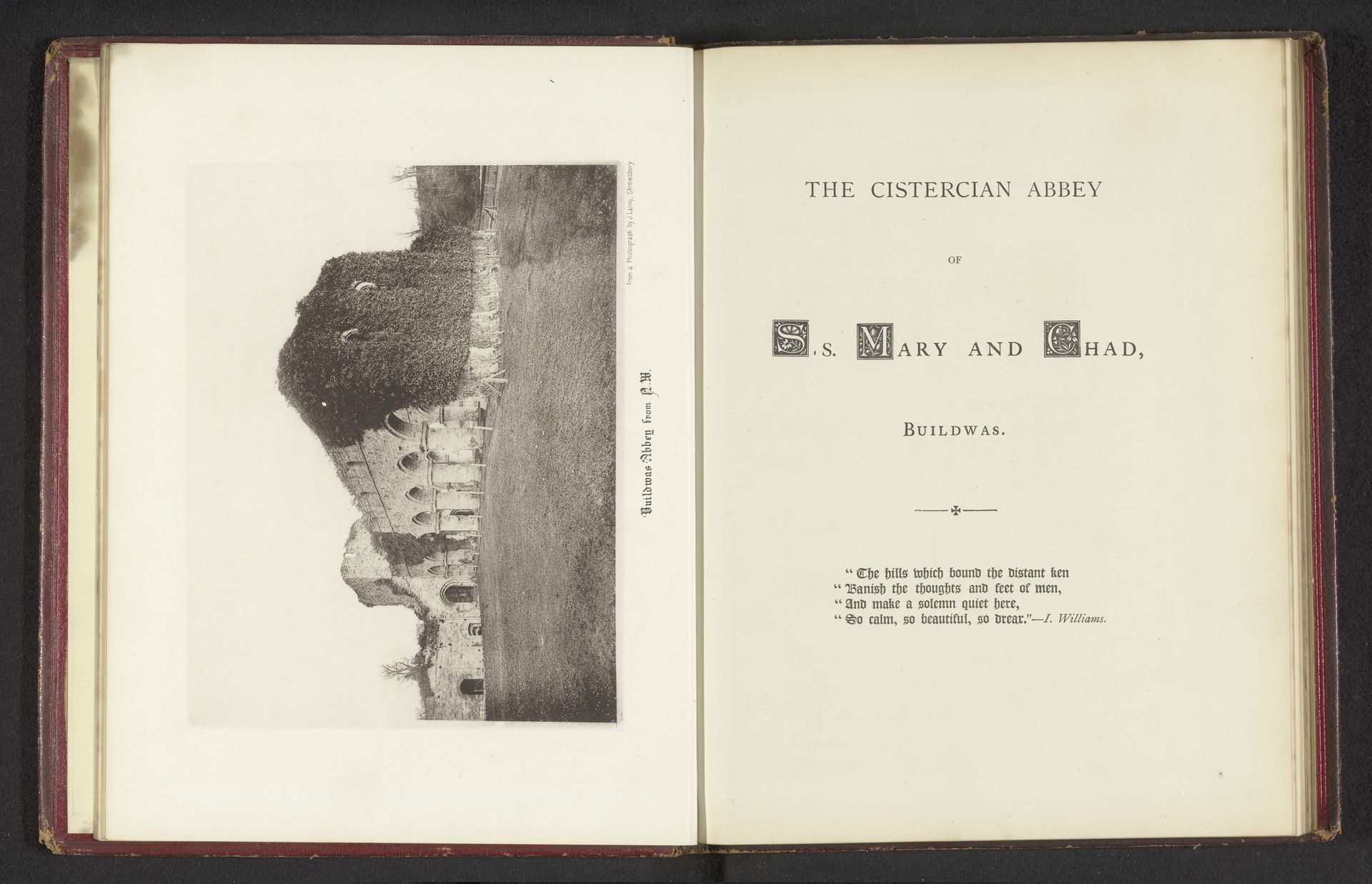
Gezicht op de ruïne van Buildwas Abbey

Listen to curator's interpretation
Curatorial notes
Curator: Let’s explore this interesting image from a sketchbook attributed to J. Laing, titled "Gezicht op de ruïne van Buildwas Abbey," dating from before 1877. Editor: Immediately striking is the almost haunting contrast between the meticulously rendered ruins and the aged, creamy paper. It feels like a poignant reflection on time itself. Curator: Indeed. Buildwas Abbey, a Cistercian monastery, had already undergone significant changes in its function after the Dissolution of the Monasteries in the 16th century. This image exists as part of a broader social interest in preserving the historic fabric of Britain’s past, a movement gaining momentum throughout the 19th century. Editor: From a formal perspective, observe how the engraving captures the textures of the stone and the encroaching vegetation. The artist has carefully modulated the light, drawing our attention to the play between structural solidity and natural decay. Curator: Precisely. Consider the role such images played in cultivating national identity and historical awareness. The abbey, now a picturesque ruin, transformed from a functioning religious community into a symbol of English history, mediated through artists and printsellers. Editor: Note also how the hand-drawn typeface on the facing page lends a sense of individual intimacy, creating a personal space for contemplating public heritage. The use of "thick font" adds emphasis. Curator: And the placement of these sketchbook pages together serves to legitimize England’s medieval era through an architectural artifact repurposed for aesthetic consumption. The presence of this work within a personal sketchbook, further supports such assertions. Editor: Ultimately, this image and inscription evoke a specific aesthetic sentiment – a melancholic appreciation for what’s passed, carefully balanced within the framing structure of this book. Curator: I agree; this is much more than just an engraving, the piece allows us insight into historical and cultural movements centered around public perception and the construction of national heritage.