painting, acrylic-paint
portrait
abstract painting
water colours
painting
acrylic-paint
figuration
acrylic on canvas
abstraction
watercolor
Copyright: All image rights belong to Olos Estate
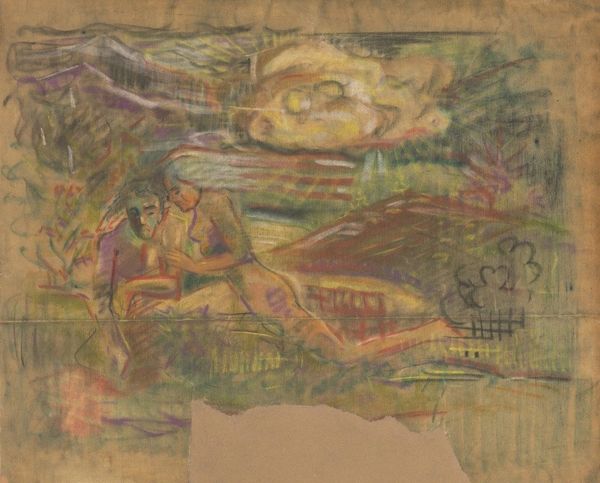
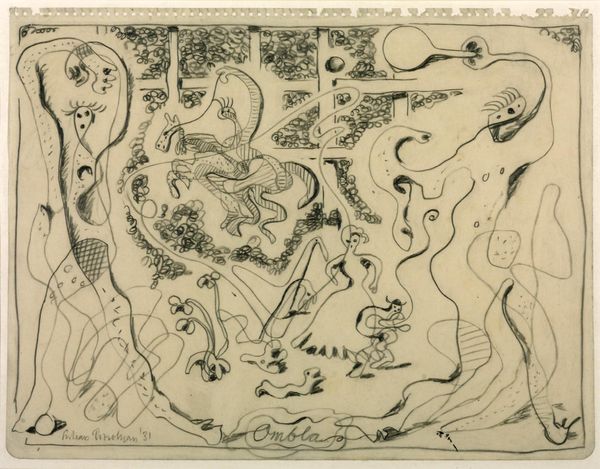
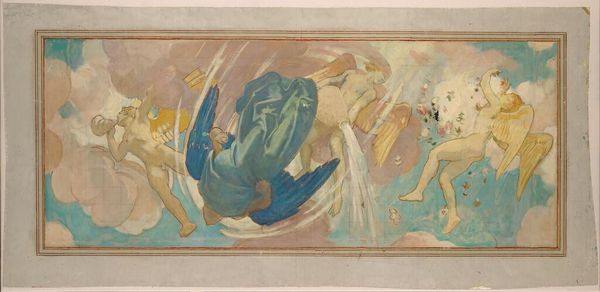
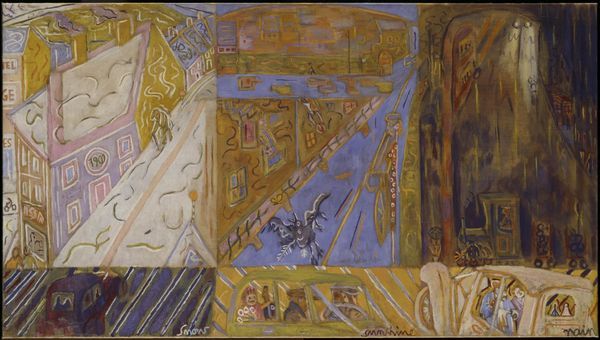
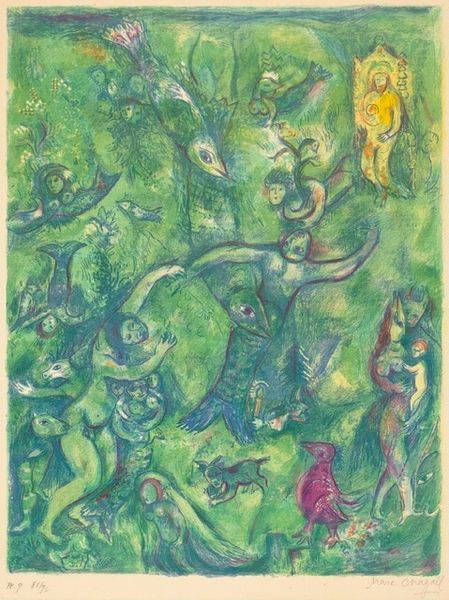
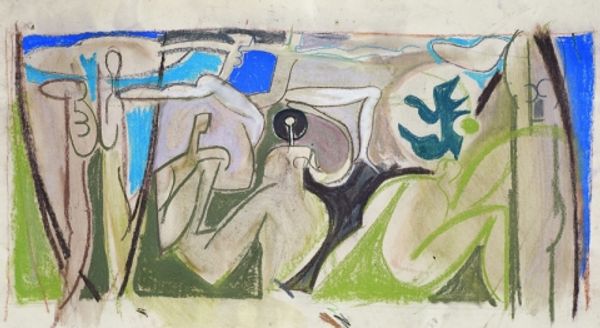
Curator: Before us, we have Mihai Olos' "Matraguna (section)," a mixed media piece, incorporating both watercolor and acrylic on canvas. Editor: It's immediately striking. A vibrant, almost overwhelmingly green canvas overlaid with a flurry of figures—evokes a feeling of restless energy. There’s a sense of figures in motion and then isolated or caught in some sort of in-between dimension. Curator: Indeed. Olos masterfully juxtaposes abstraction and figuration. Observe the rhythmic interplay between the identifiable human forms and the more ambiguous, gestural strokes. It's an exercise in formal contrast, wouldn’t you say? Editor: Absolutely. The recurring presence of figures suggests that it might have origins in folklore, or perhaps a retelling of ancient mythical accounts—all anchored in nature through this prevailing green tonality. The human body seems to be a canvas where traditions play out in space and color. Curator: Precisely! Color operates here as an autonomous force, driving the composition, yet simultaneously creating this underlying structural cohesion that is based on gesture, layering, form. Consider the way that line and volume intersect in space… Editor: And the various iterations of a figure—they all appear and almost vanish, one blending into the other. If we consider this "Matraguna" section as an index for the larger piece it likely belongs to, it begs a critical inquiry into the visual strategies used in mythmaking. Curator: Well articulated. It certainly demonstrates an awareness of the tensions between representation and dissolution through pure visual language. Editor: Olos urges us to delve beyond surface aesthetics, to look closer at the universal motifs of origin stories across the collective human experience. It becomes a site where the old stories transform into new forms and where meaning takes form. Curator: I appreciate your interpretive focus. A potent reminder that art’s symbolic life continues to evolve and transcend established readings across cultural experience. Editor: Thank you. To move into a work like this opens pathways into different visual interpretations.
Comments
No comments
Be the first to comment and join the conversation on the ultimate creative platform.
 React
React Comment