About this artwork
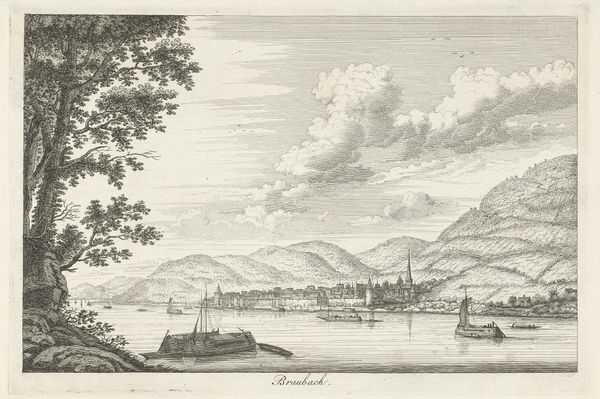
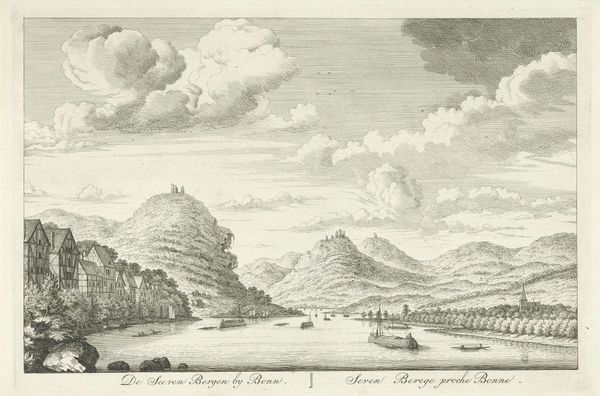
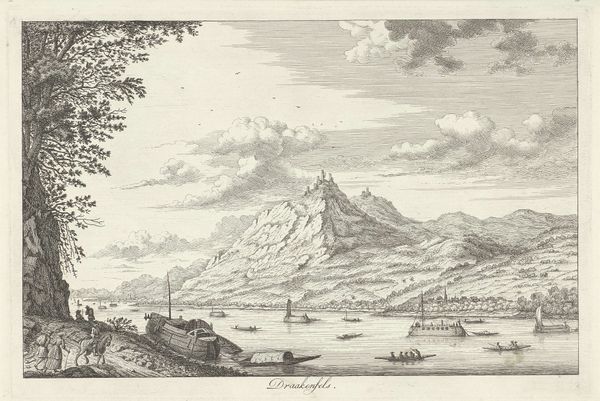
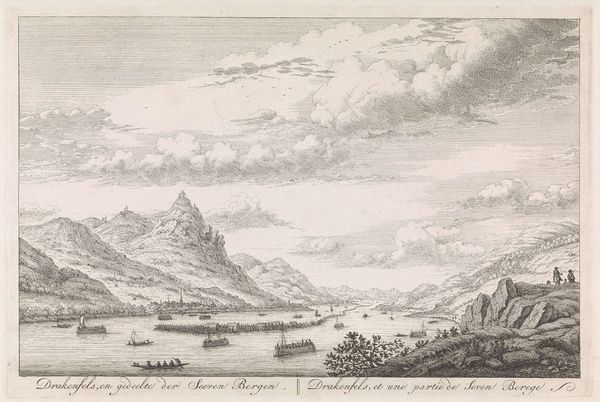
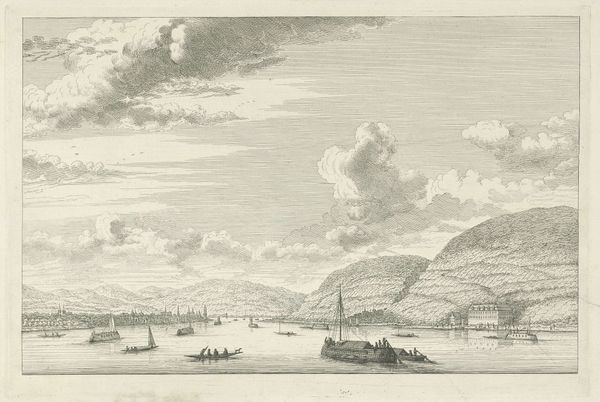
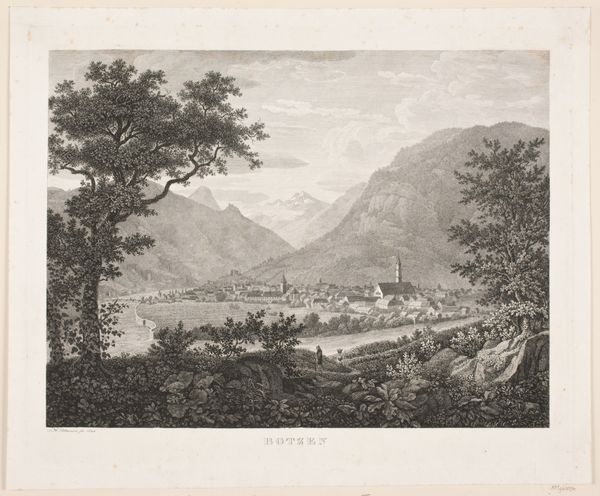
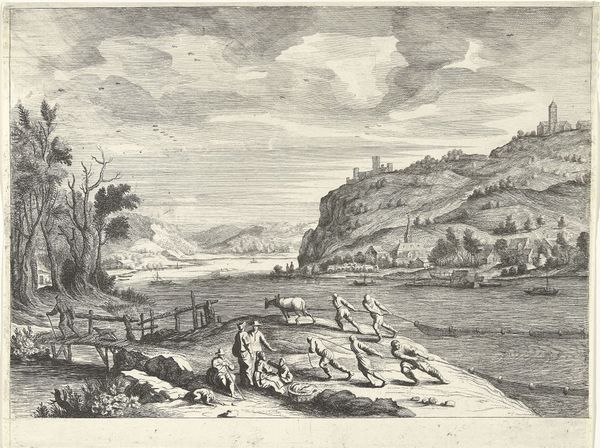
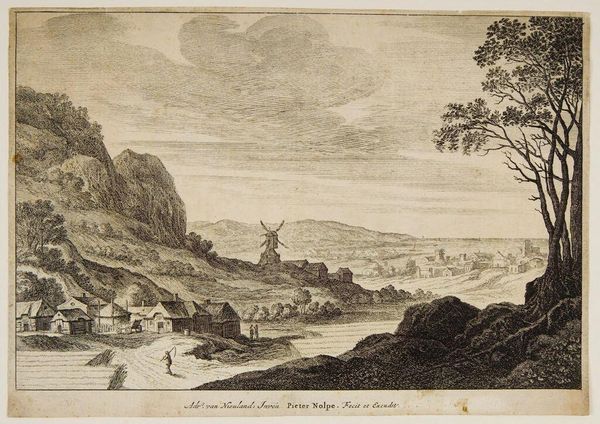
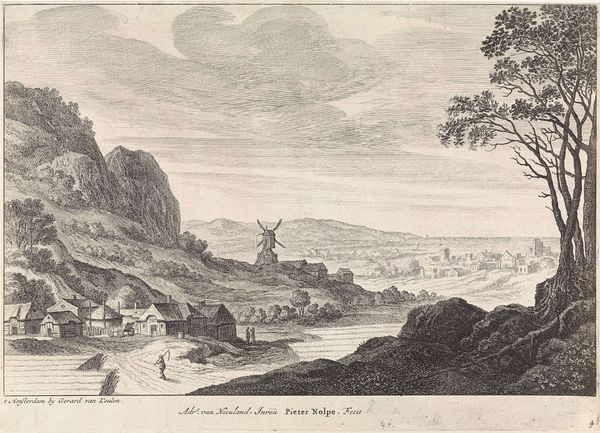
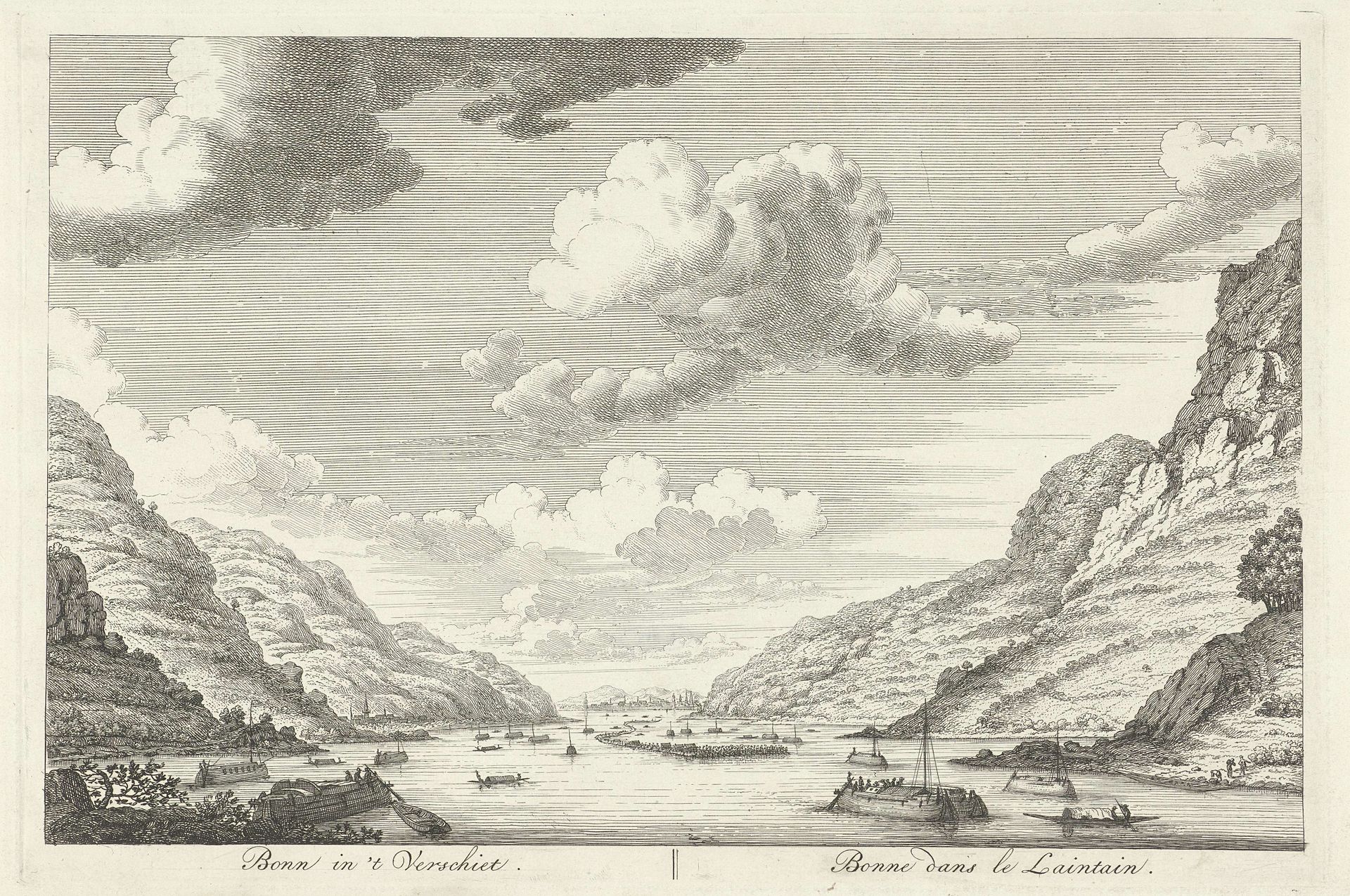
Hendrik de Leth made this print of Bonn, seen from the Rhine, using etching and engraving techniques. The image is achieved through careful, precise lines cut into a metal plate. The artist would have used sharp tools to create grooves, which then held ink to transfer the image onto paper. The fineness of the lines allows for a remarkable level of detail, capturing the texture of the water, the clouds, and the rocky hillsides. What’s compelling here is that the printmaking process itself allows for the mass production of images. This reflects the growth of cities, the expansion of trade, and the rise of a merchant class with an interest in seeing and possessing views of distant places. The act of making and distributing such prints speaks to a new kind of economy, one where art becomes a commodity, available to a wider audience. In appreciating this print, we must consider not only the image it presents but also the socio-economic forces that made its creation and distribution possible.

Artwork details
- Dimensions
- height 230 mm, width 343 mm
- Location
- Rijksmuseum
- Copyright
- Rijks Museum: Open Domain
Comments
Share your thoughts
About this artwork
Hendrik de Leth made this print of Bonn, seen from the Rhine, using etching and engraving techniques. The image is achieved through careful, precise lines cut into a metal plate. The artist would have used sharp tools to create grooves, which then held ink to transfer the image onto paper. The fineness of the lines allows for a remarkable level of detail, capturing the texture of the water, the clouds, and the rocky hillsides. What’s compelling here is that the printmaking process itself allows for the mass production of images. This reflects the growth of cities, the expansion of trade, and the rise of a merchant class with an interest in seeing and possessing views of distant places. The act of making and distributing such prints speaks to a new kind of economy, one where art becomes a commodity, available to a wider audience. In appreciating this print, we must consider not only the image it presents but also the socio-economic forces that made its creation and distribution possible.
Comments
Share your thoughts