About this artwork
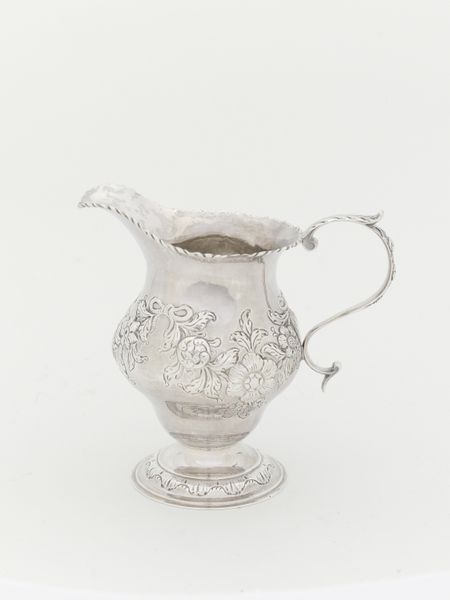
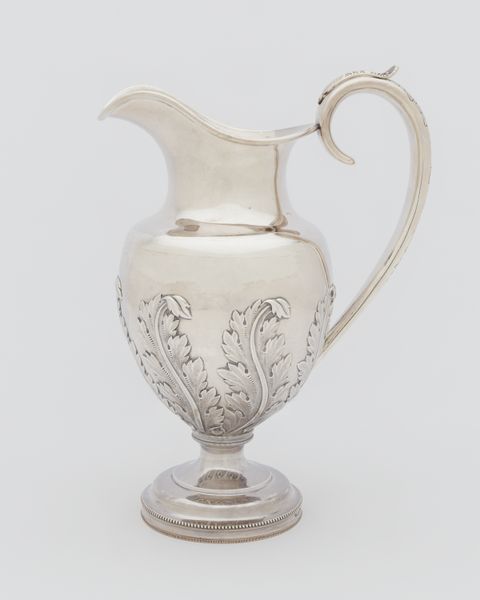
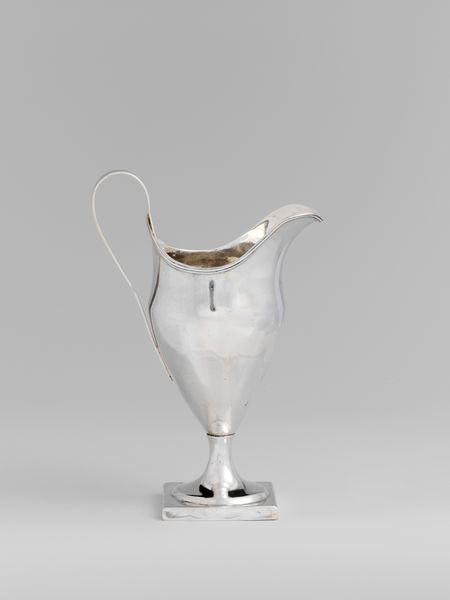
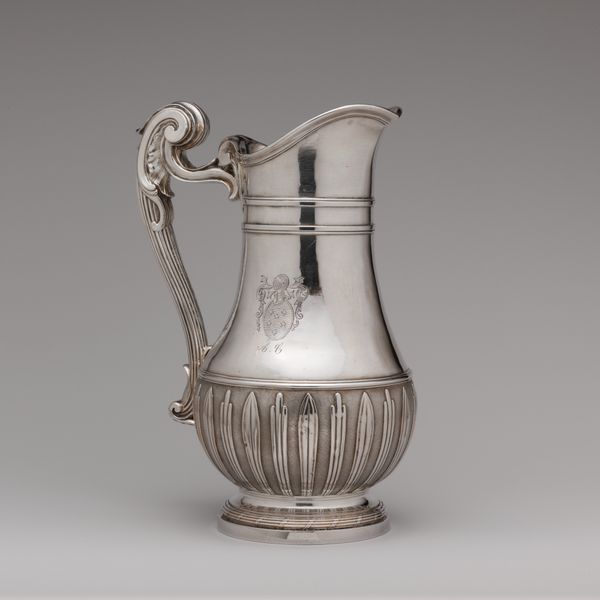
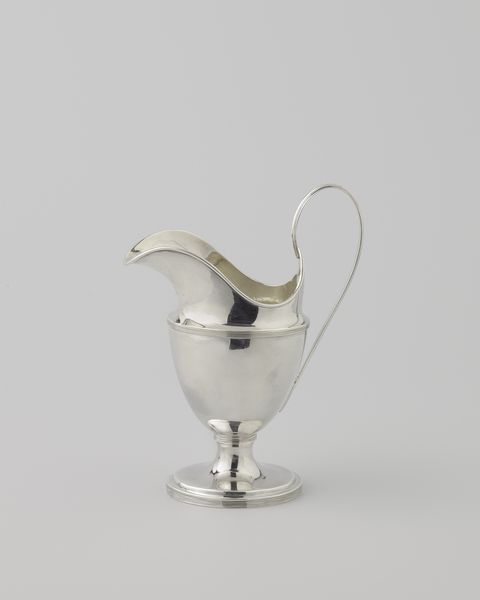
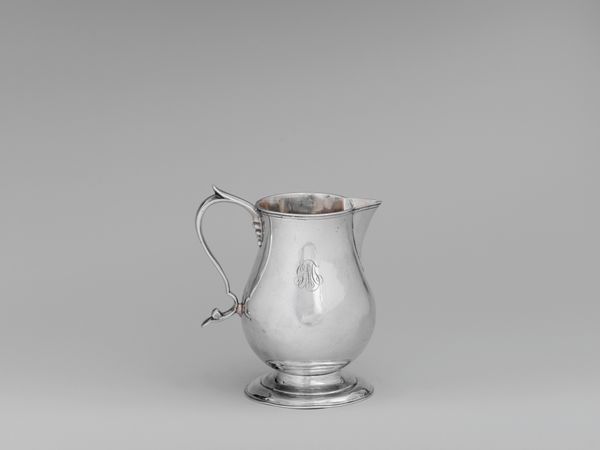
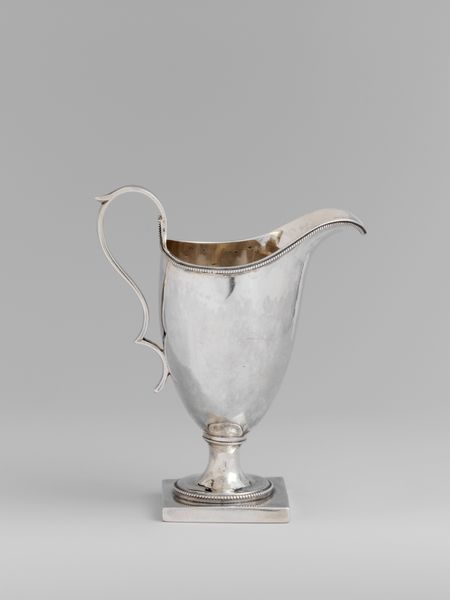
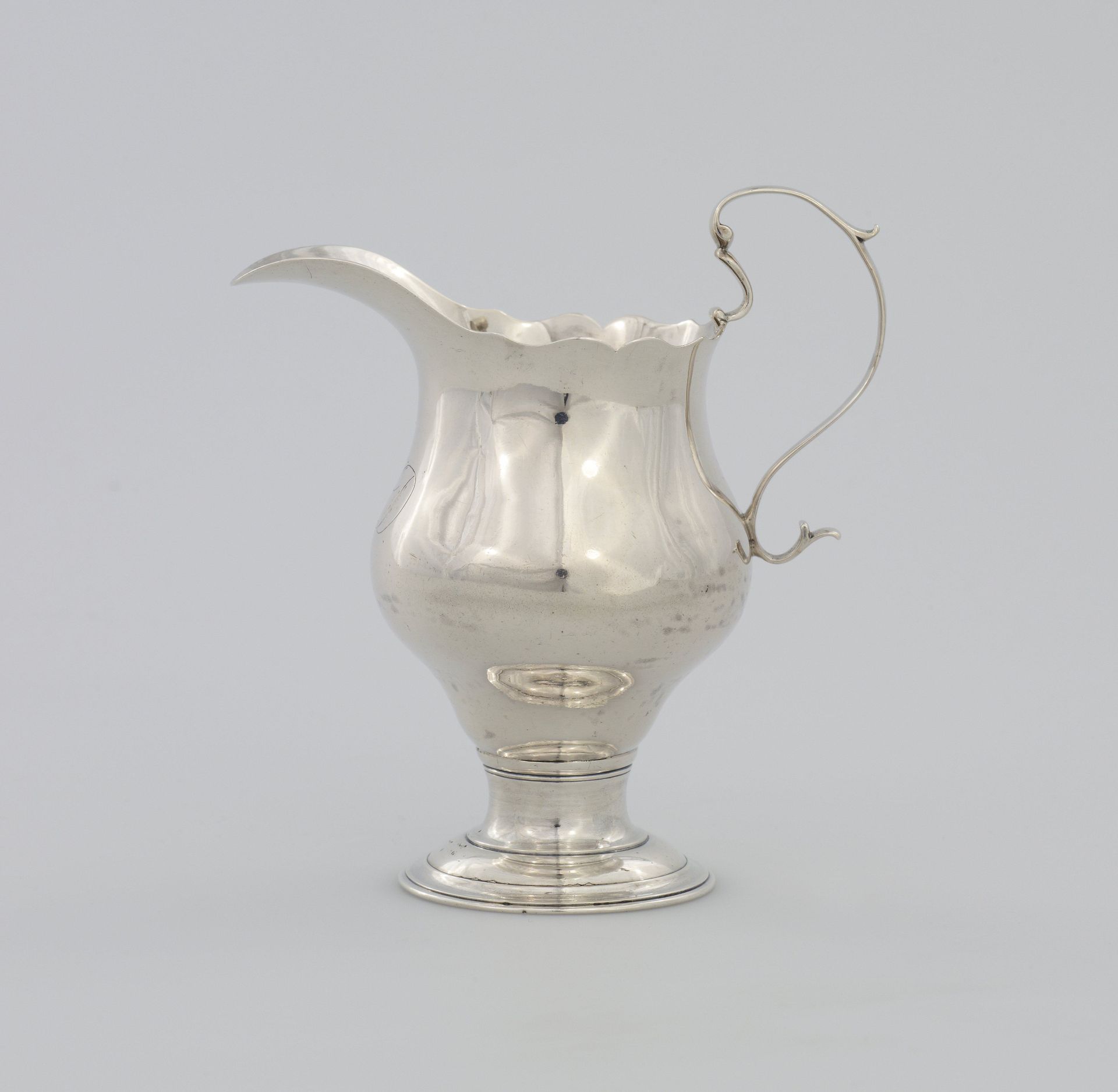
This Creamer was made by Joseph Richardson, probably in Philadelphia, sometime around 1785, using silver. Silver is a soft, ductile material, and this piece shows off its capacity to be shaped and polished. Notice the way the silversmith coaxed the metal into its delicate, fluted rim, and the elegant, elongated handle. These details would have been achieved through hammering, and likely also die-forming to get those perfectly repeated curves. Consider also the social context: Silverware like this wasn't just functional; it was a potent symbol of wealth and status in early America. But that wealth was in turn predicated on global systems of trade, including slavery. Silver itself was often extracted from mines in South America, by indigenous laborers working under brutal conditions. The very gleam of this object, then, reflects a complex and often troubling history. So, next time you’re enjoying a cup of tea, think about the objects that make it possible, and the wider world they connect us to.
Creamer
c. 1775 - 1780


Artwork details
- Medium
- silver, ceramic
- Dimensions
- 4 5/8 x 4 3/8 x 2 3/4in. (11.7 x 11.1 x 7cm)
- Location
- Minneapolis Institute of Art
- Copyright
- Public Domain
Tags
Comments
Share your thoughts
About this artwork
This Creamer was made by Joseph Richardson, probably in Philadelphia, sometime around 1785, using silver. Silver is a soft, ductile material, and this piece shows off its capacity to be shaped and polished. Notice the way the silversmith coaxed the metal into its delicate, fluted rim, and the elegant, elongated handle. These details would have been achieved through hammering, and likely also die-forming to get those perfectly repeated curves. Consider also the social context: Silverware like this wasn't just functional; it was a potent symbol of wealth and status in early America. But that wealth was in turn predicated on global systems of trade, including slavery. Silver itself was often extracted from mines in South America, by indigenous laborers working under brutal conditions. The very gleam of this object, then, reflects a complex and often troubling history. So, next time you’re enjoying a cup of tea, think about the objects that make it possible, and the wider world they connect us to.
Comments
Share your thoughts