About this artwork
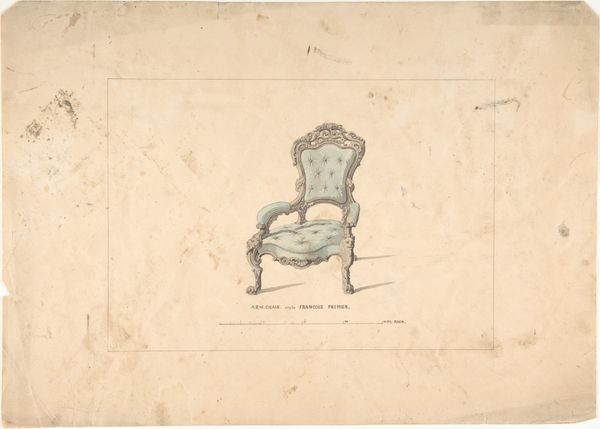
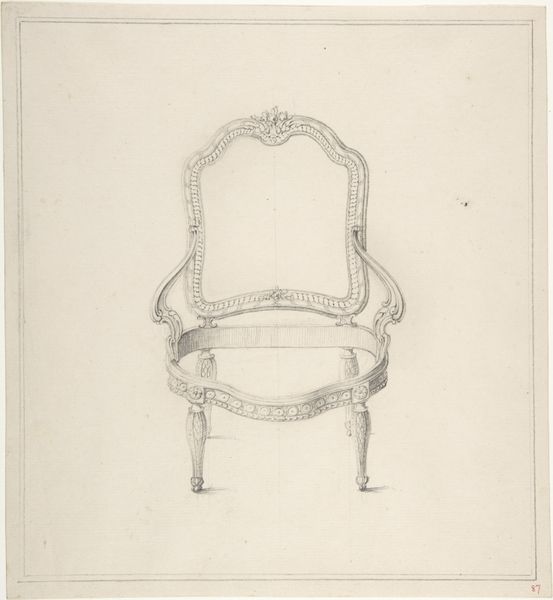
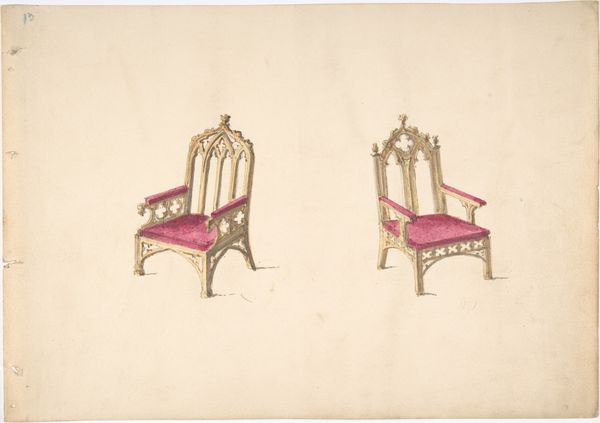
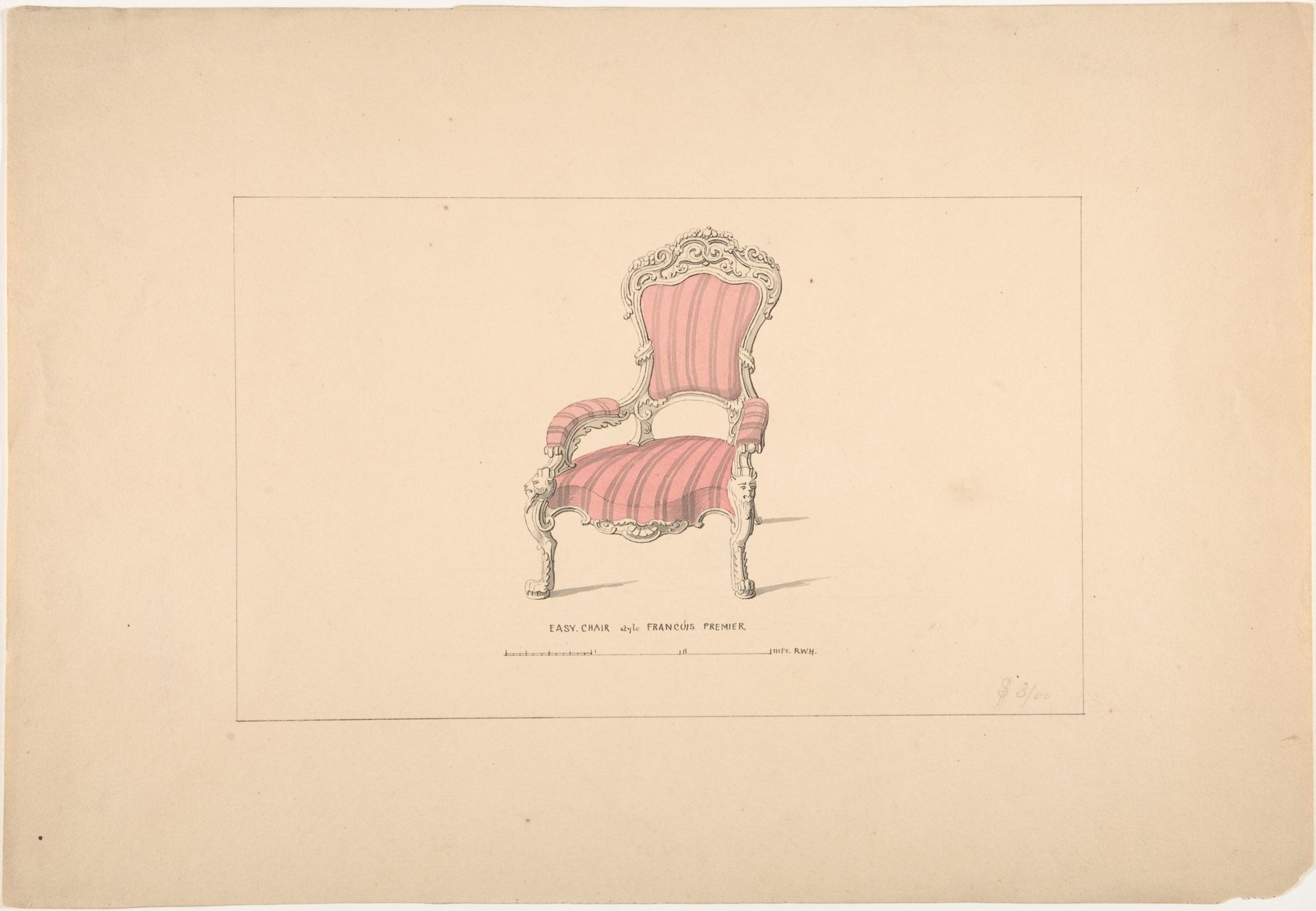
Robert William Hume designed this easy chair in the François Premier style sometime during the 19th century. It’s a period marked by significant shifts in social structure and power dynamics as well as by major colonial events. The design is part of the revival of historical styles where designers like Hume looked to the past for inspiration. It embodies a fascination with the French Renaissance but it is also reflective of Victorian society's emphasis on ornamentation, comfort, and display of wealth. The design is adorned with elaborate carving and plush upholstery. It seems to be intended for domestic spaces, and raises questions about women's roles and expectations, especially among the upper classes. The design could be an example of the way gender and status were reinforced through material culture. As we consider the design, we can also think about how it represents the complex relationship between aesthetic taste, social identity, and historical narrative.
Design for Easy Chair, François Premier Style
1835 - 1900

Robert William Hume
1816 - 1904
The Metropolitan Museum of Art
Metropolitan Museum of Art, New York, NYArtwork details
- Medium
- drawing, print, etching, paper
- Location
- Metropolitan Museum of Art, New York, NY
- Copyright
- Public Domain
Tags
Comments
Share your thoughts
About this artwork
Robert William Hume designed this easy chair in the François Premier style sometime during the 19th century. It’s a period marked by significant shifts in social structure and power dynamics as well as by major colonial events. The design is part of the revival of historical styles where designers like Hume looked to the past for inspiration. It embodies a fascination with the French Renaissance but it is also reflective of Victorian society's emphasis on ornamentation, comfort, and display of wealth. The design is adorned with elaborate carving and plush upholstery. It seems to be intended for domestic spaces, and raises questions about women's roles and expectations, especially among the upper classes. The design could be an example of the way gender and status were reinforced through material culture. As we consider the design, we can also think about how it represents the complex relationship between aesthetic taste, social identity, and historical narrative.
Comments
Share your thoughts