About this artwork
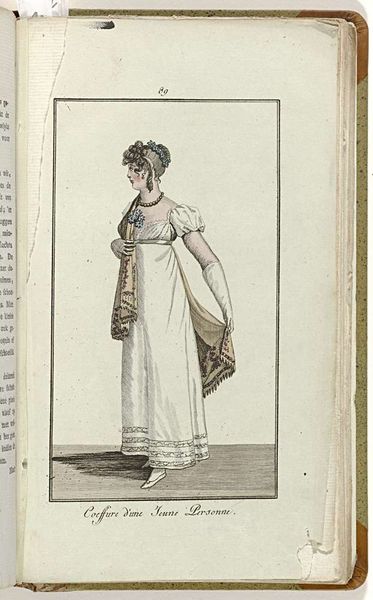
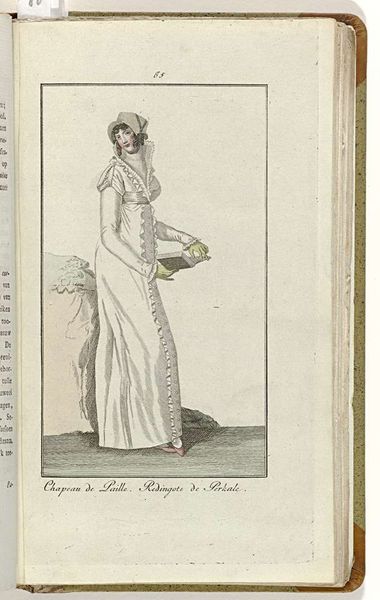
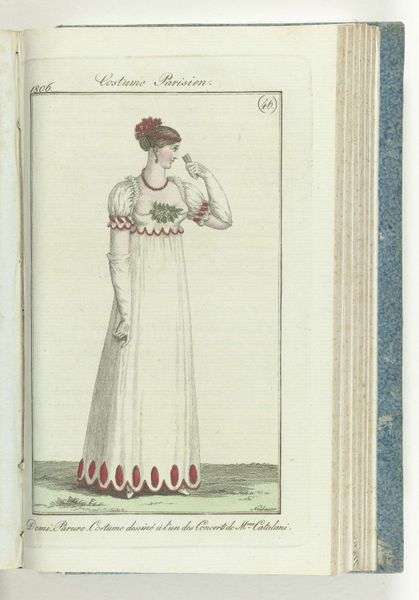
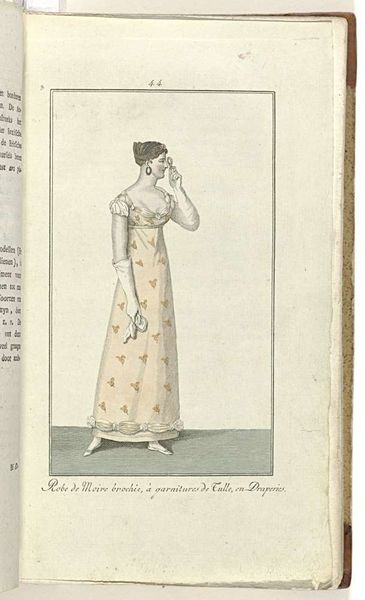
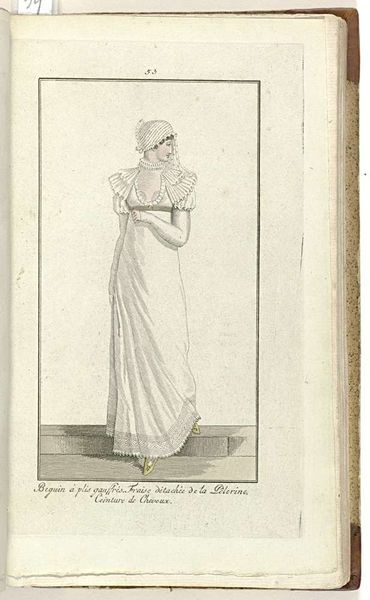
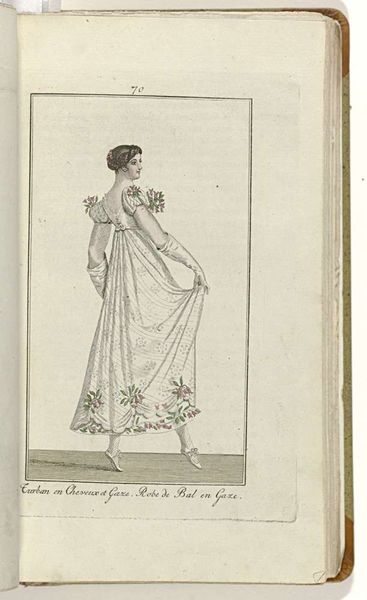
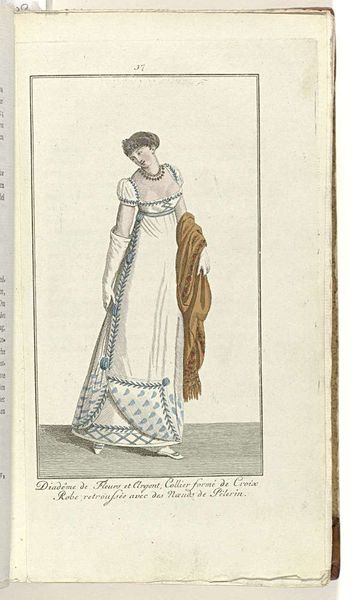
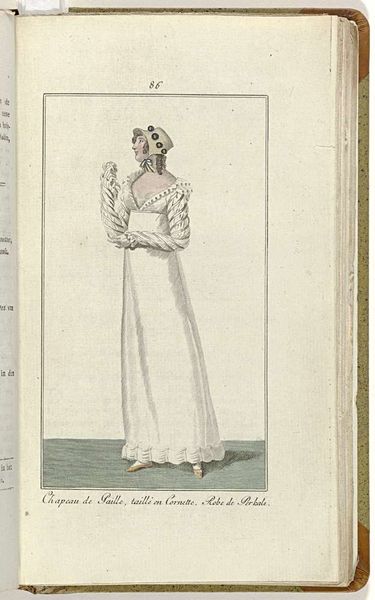
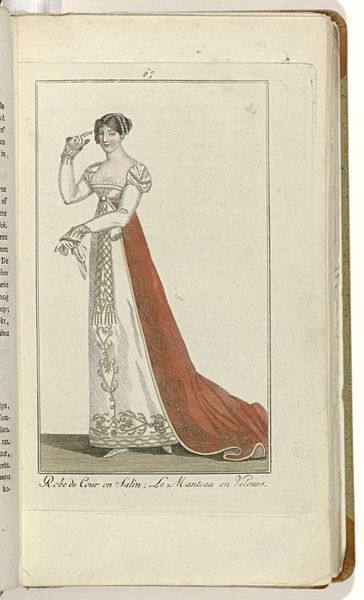
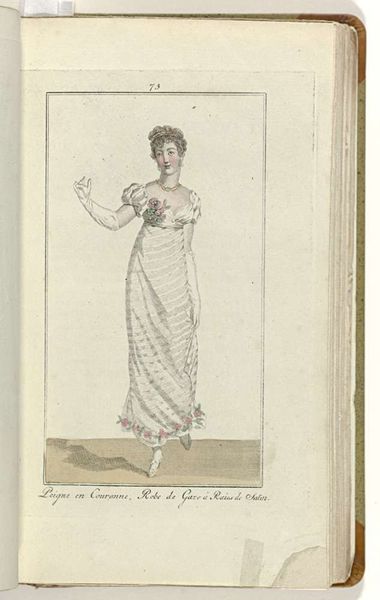
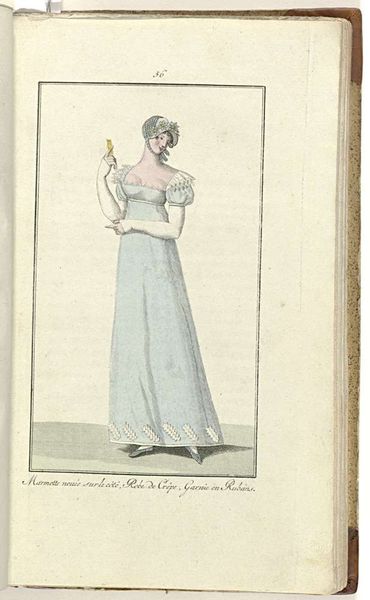
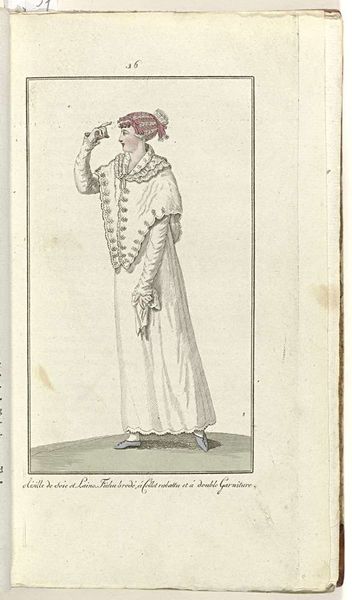
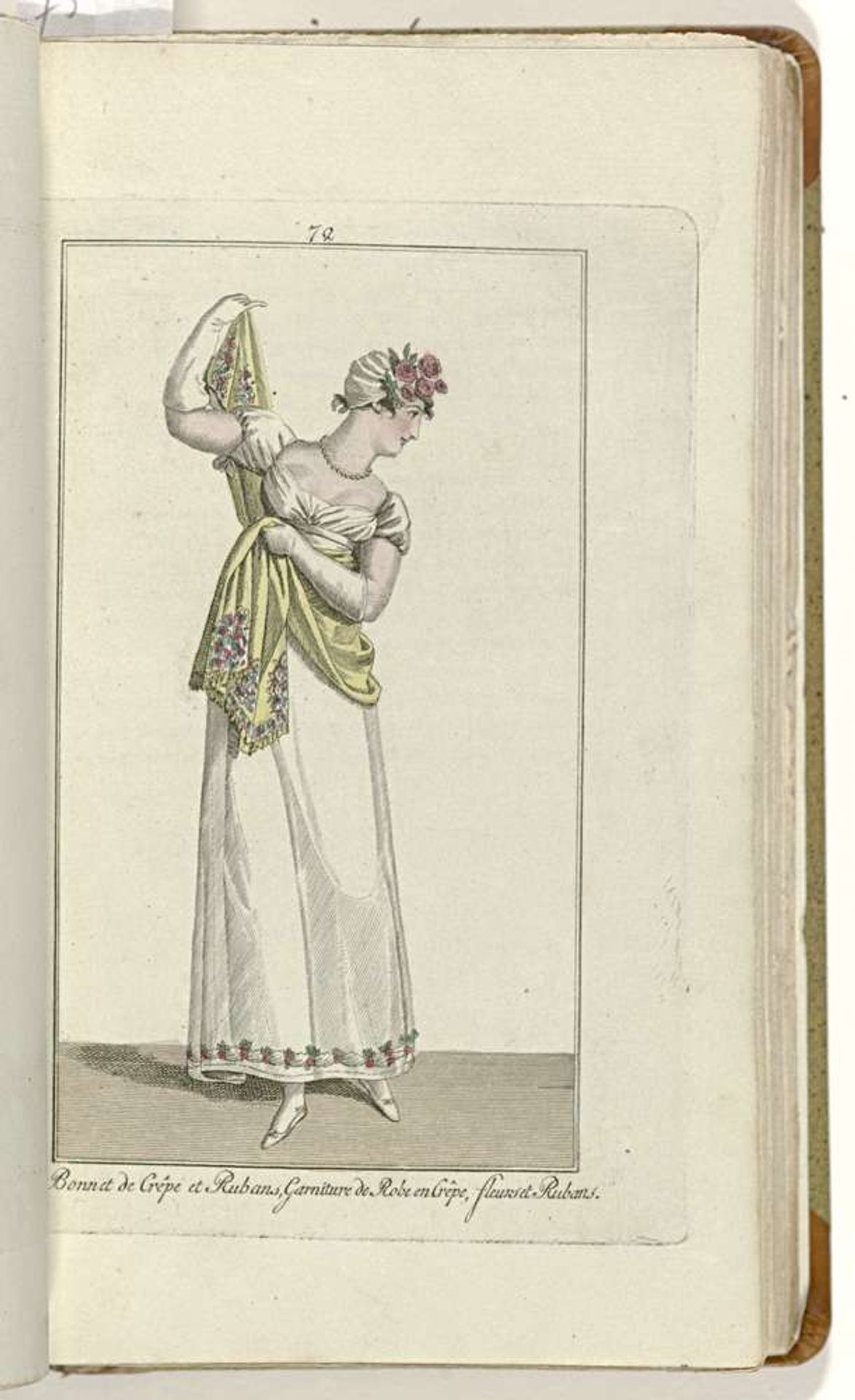
This fashion plate, made in February 1809, is an engraving, enhanced with watercolor. As the title "Elegantia" suggests, it was made to showcase the latest trends in women's fashion, luxury, and taste, specifically targeting a female audience. The image depicts a woman in a high-waisted empire silhouette dress, adorned with delicate details like a crepe bonnet and ribbons. Note the emphasis on light and airy fabrics, reflecting the Neoclassical taste of the period. The process of creating such a print involved skilled craftsmanship, from the initial design to the engraving of the plate and the hand-coloring. Fashion plates like this served as a form of visual communication. They disseminated style ideas and fueled the growing textile and garment industries. The materials – crepe, ribbons, and lightweight fabrics – speak to the desire for refined elegance. Each component required specialized labor, from the production of raw materials to the skilled work of seamstresses. By understanding the material culture of the time, we gain insight into the social and economic context that shaped both the artwork and the lives of those who consumed it.
Elegantia, of tijdschrift van mode, luxe en smaak voor dames, Februari 1809, No. 72: Bonnet de Crêpe...
1809

Anonymous
@anonymousLocation
RijksmuseumArtwork details
- Medium
- print, engraving
- Dimensions
- height 220 mm, width 126 mm
- Location
- Rijksmuseum
- Copyright
- Rijks Museum: Open Domain
Tags
Comments
Share your thoughts
About this artwork
This fashion plate, made in February 1809, is an engraving, enhanced with watercolor. As the title "Elegantia" suggests, it was made to showcase the latest trends in women's fashion, luxury, and taste, specifically targeting a female audience. The image depicts a woman in a high-waisted empire silhouette dress, adorned with delicate details like a crepe bonnet and ribbons. Note the emphasis on light and airy fabrics, reflecting the Neoclassical taste of the period. The process of creating such a print involved skilled craftsmanship, from the initial design to the engraving of the plate and the hand-coloring. Fashion plates like this served as a form of visual communication. They disseminated style ideas and fueled the growing textile and garment industries. The materials – crepe, ribbons, and lightweight fabrics – speak to the desire for refined elegance. Each component required specialized labor, from the production of raw materials to the skilled work of seamstresses. By understanding the material culture of the time, we gain insight into the social and economic context that shaped both the artwork and the lives of those who consumed it.
Comments
Share your thoughts