About this artwork
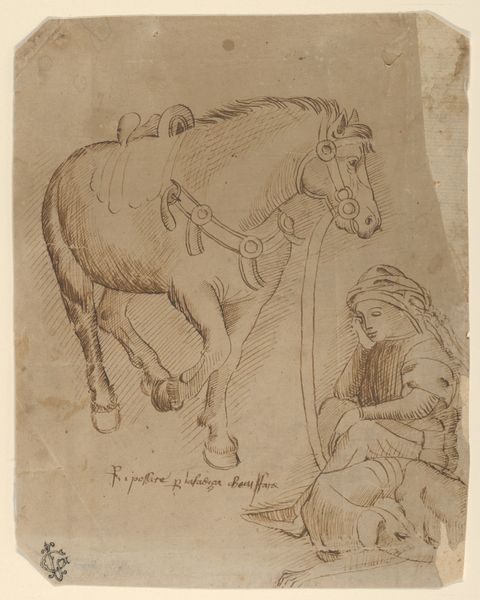
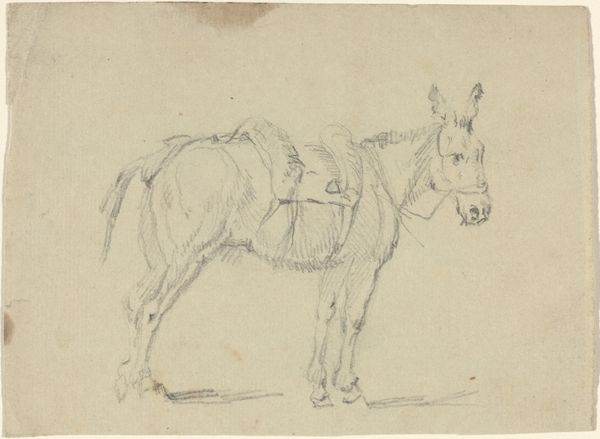
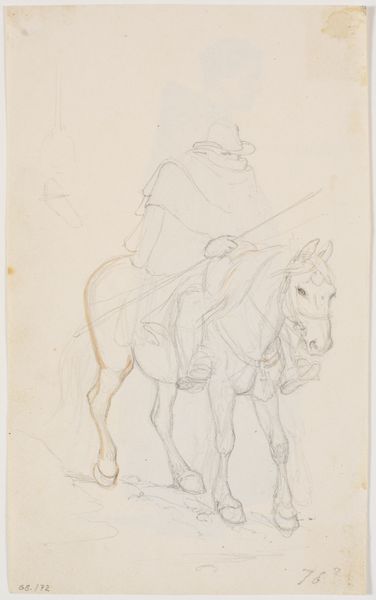
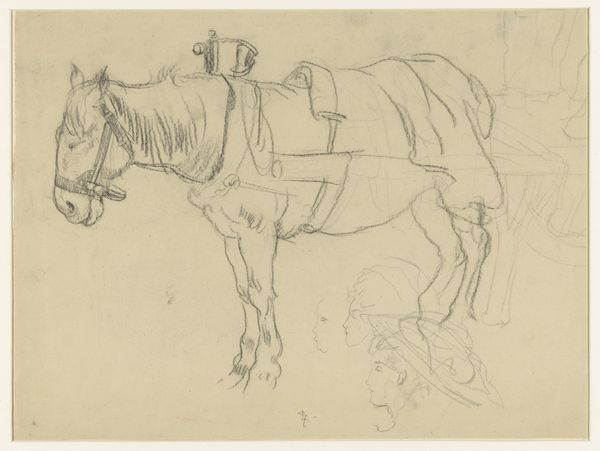
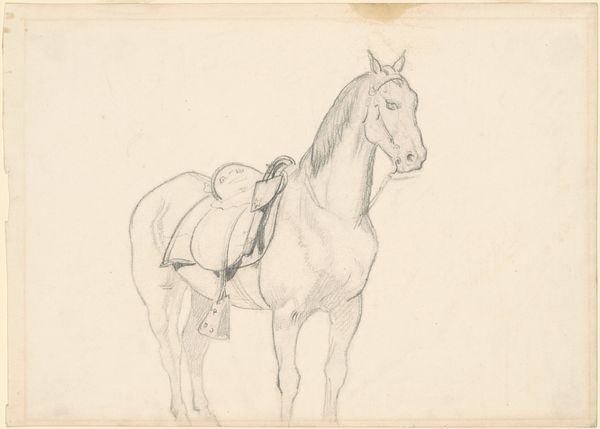
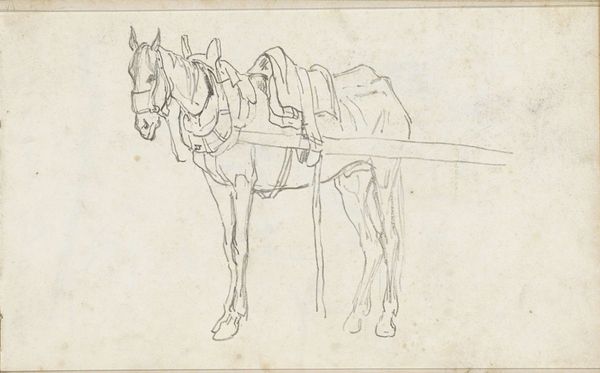
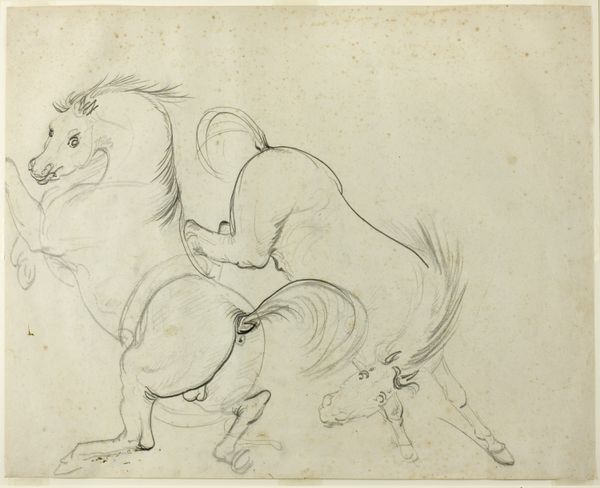
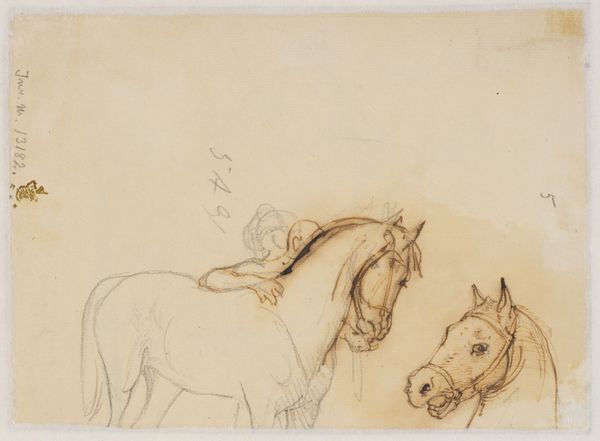
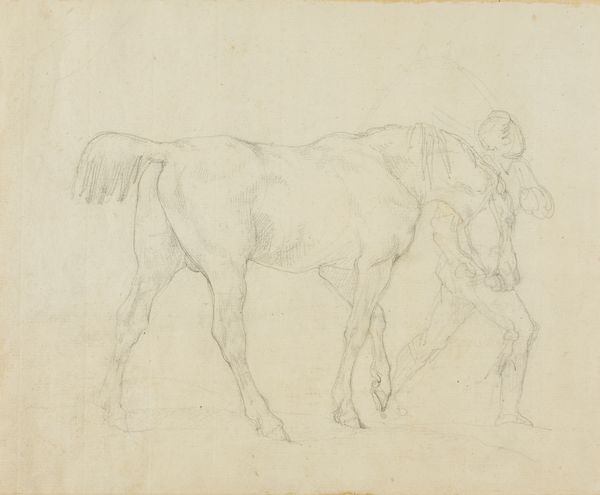
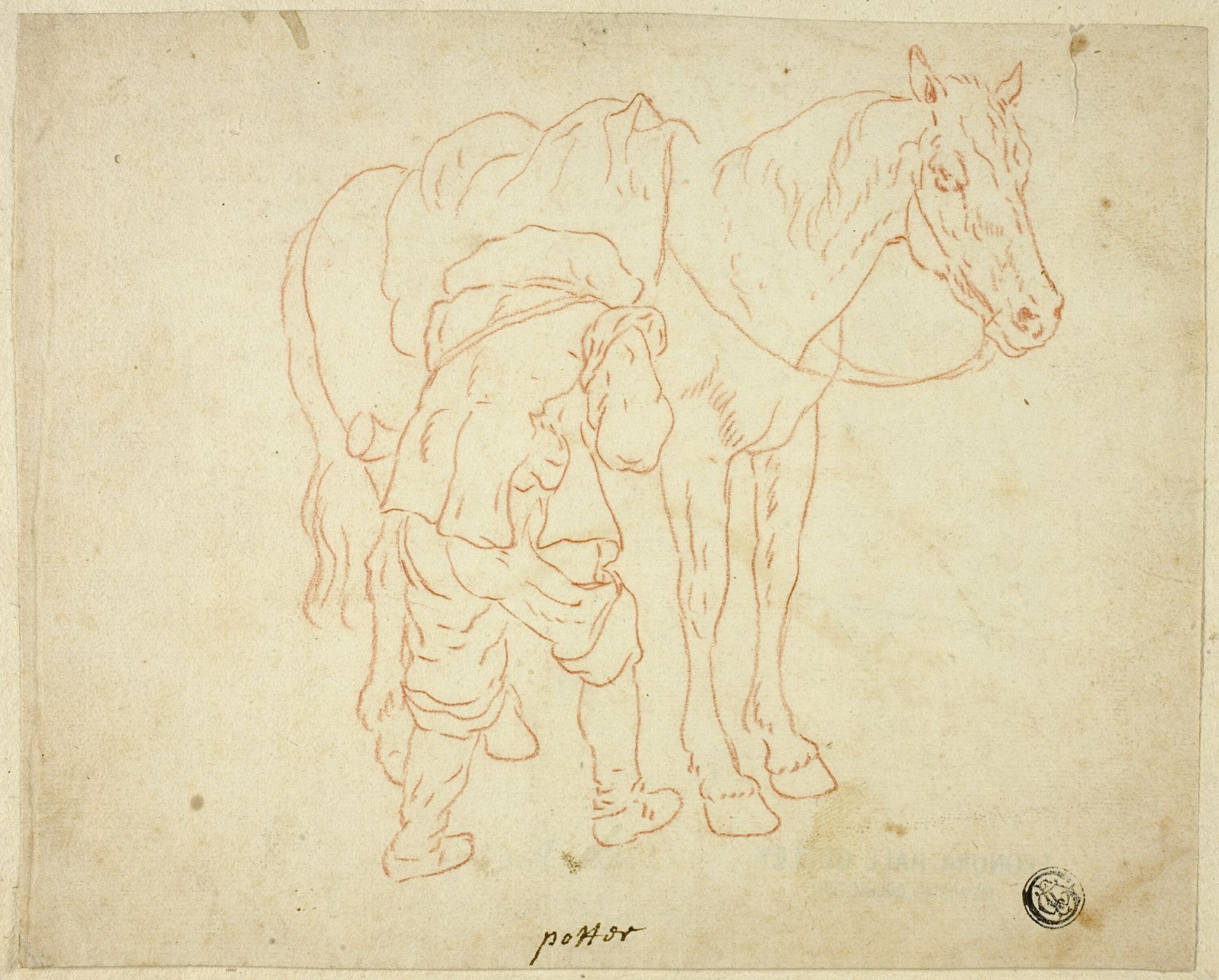
Paulus Potter created this red chalk drawing titled "Man Adjusting Saddle on Horse" sometime in the mid-17th century. Potter was a Dutch artist known for his detailed and often endearing depictions of animals within pastoral settings. In 17th-century Dutch art, there was an increasing interest in the everyday life of common people, and Potter’s work reflects this shift. Horses, as working animals, often symbolized labor and rural life, yet the intimate focus here, on this quiet moment, develops an alternative narrative to the traditional heroic representations of animals. There is also a palpable sense of partnership between man and animal, typical of Potter's work. Consider the identities represented here: the working man, the beast of burden. Potter seems to suggest dignity and a sense of shared existence. Through simple lines, Potter captures a moment of connection, inviting us to reflect on our relationships with the natural world.
Man Adjusting Saddle on Horse n.d.


Artwork details
- Medium
- drawing, print, paper, pencil
- Dimensions
- 161 × 202 mm
- Location
- The Art Institute of Chicago
- Copyright
- Public Domain
Tags
portrait
drawing
pencil sketch
landscape
paper
pencil
realism
Comments
No comments
About this artwork
Paulus Potter created this red chalk drawing titled "Man Adjusting Saddle on Horse" sometime in the mid-17th century. Potter was a Dutch artist known for his detailed and often endearing depictions of animals within pastoral settings. In 17th-century Dutch art, there was an increasing interest in the everyday life of common people, and Potter’s work reflects this shift. Horses, as working animals, often symbolized labor and rural life, yet the intimate focus here, on this quiet moment, develops an alternative narrative to the traditional heroic representations of animals. There is also a palpable sense of partnership between man and animal, typical of Potter's work. Consider the identities represented here: the working man, the beast of burden. Potter seems to suggest dignity and a sense of shared existence. Through simple lines, Potter captures a moment of connection, inviting us to reflect on our relationships with the natural world.
Comments
No comments