1876 - 1924
Ontwerpen voor ornamenten

Gerrit Willem Dijsselhof
1866 - 1924Location
RijksmuseumListen to curator's interpretation
Curatorial notes
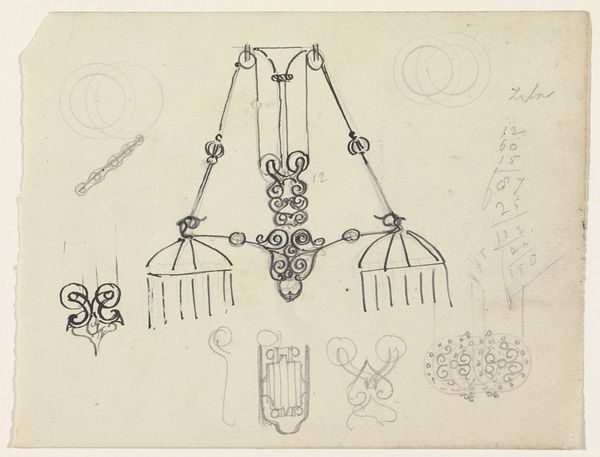
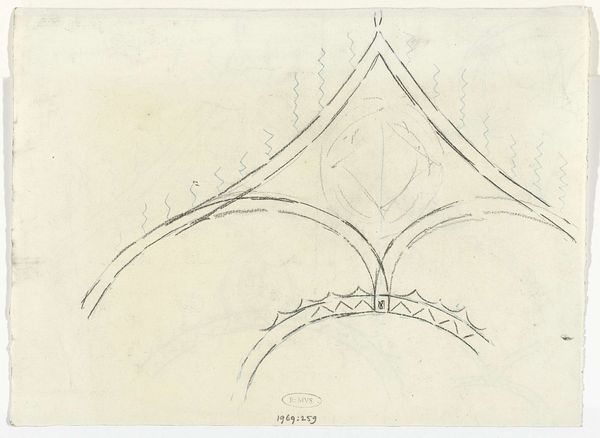
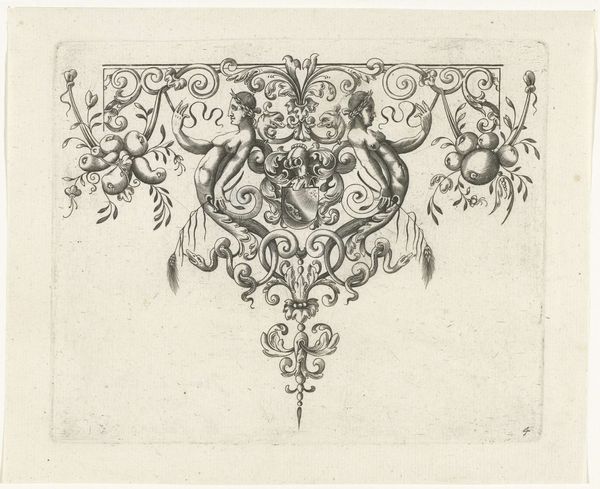
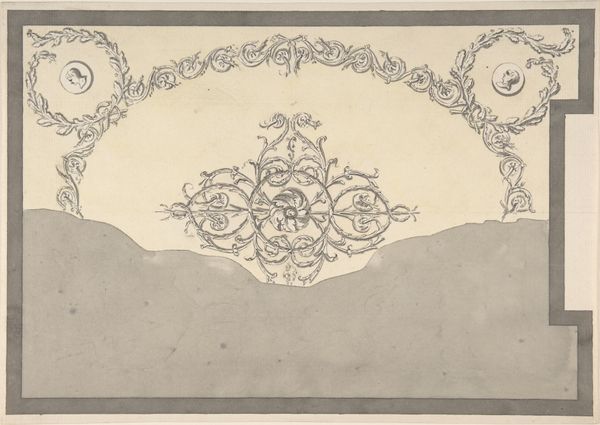
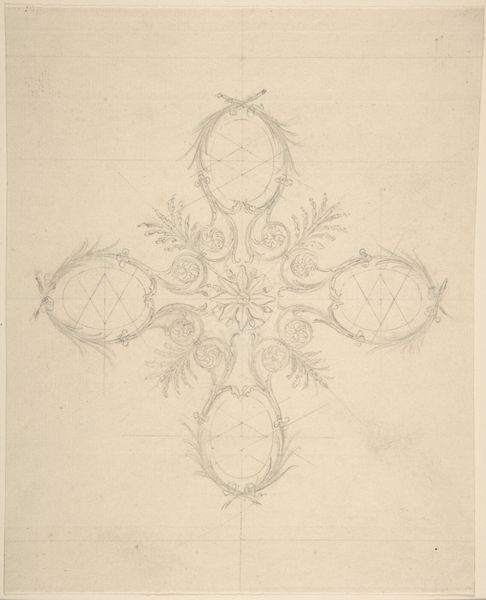
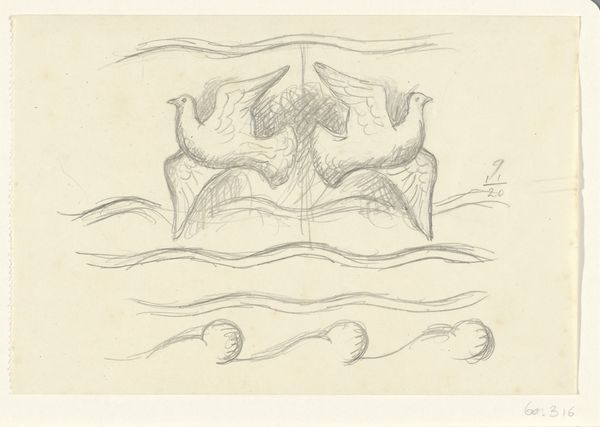
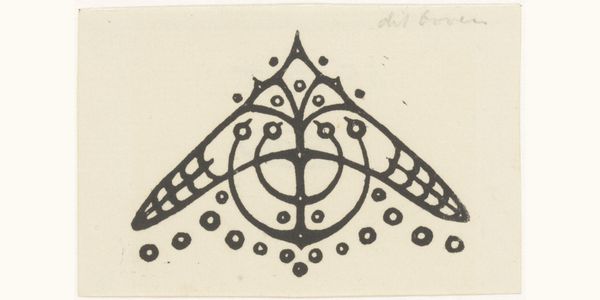
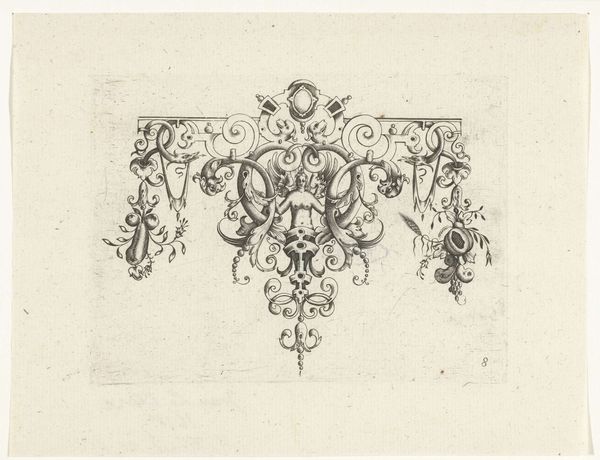
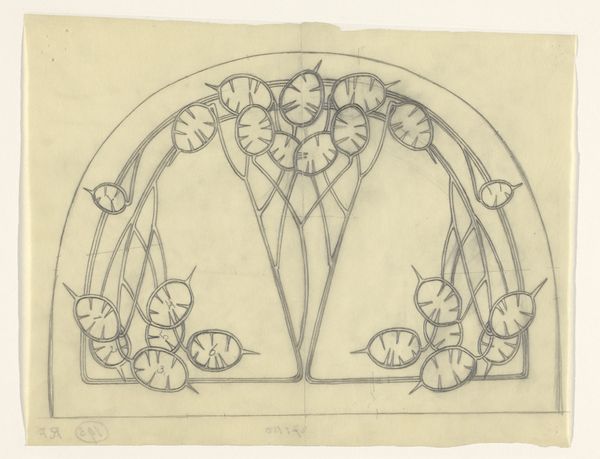
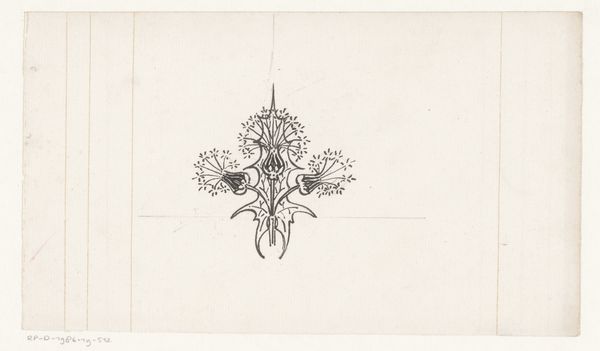
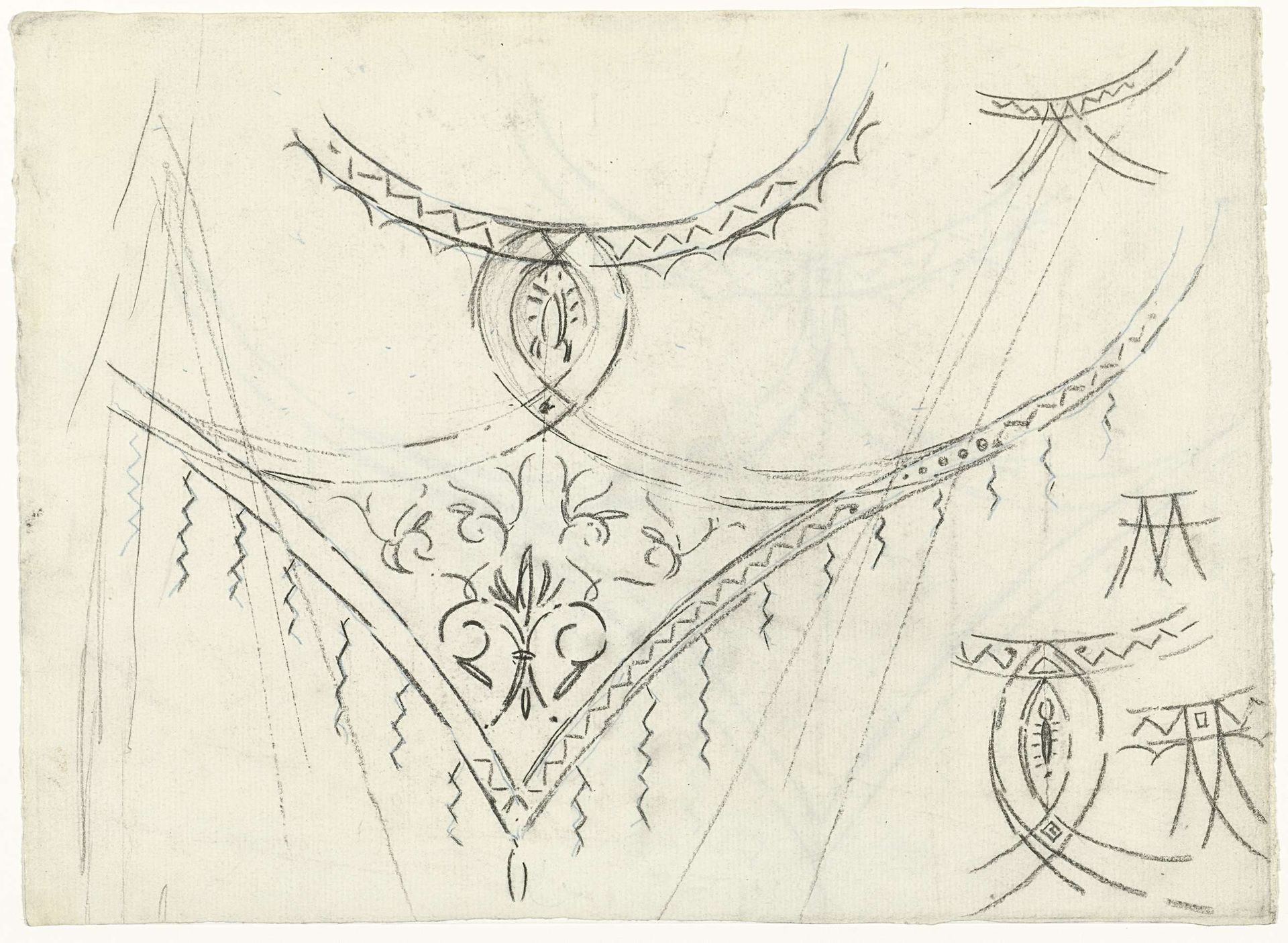
Editor: Here we have Gerrit Willem Dijsselhof's "Ontwerpen voor ornamenten," dating from 1876 to 1924, rendered in pencil and ink. There's a fascinating fragility to the line work; it feels so preliminary and revealing. What's your perspective on this, particularly within the context of materials and process? Curator: I'm drawn to this work as a document of labor. It reveals the artist's process, the repetition, the testing of forms. Consider the social context: this was a period where "high art" was becoming increasingly distinct from craft, but Dijsselhof seems to deliberately blur those lines. The materials themselves - humble pencil and ink – speak to accessibility and the democratisation of design. How might these sketches translate into marketable commodities? Editor: That's interesting. It's almost as if he's making visible the usually invisible process of creation. The repetitious zigzags do suggest a very hands-on, almost meditative activity. Do you think the 'preliminary' quality intentionally challenges our notion of a finished artwork? Curator: Precisely! It makes me wonder about the intended final product and its relationship to the sketches: Is it furniture? Jewelry? These are designs destined to be translated into different materials, worked on by different hands. The drawing itself is merely a step in a larger chain of production, raising the question, where does the artistic value truly lie? And what kind of labour might bring this drawing to life? Editor: So, looking at it this way, we move beyond admiring a singular genius and start considering a broader network of makers and materials involved. Thank you; that shifted my perspective! Curator: My pleasure. It encourages a more critical view of how we consume art and design, focusing less on the artist’s aura and more on the means of production itself.