About this artwork
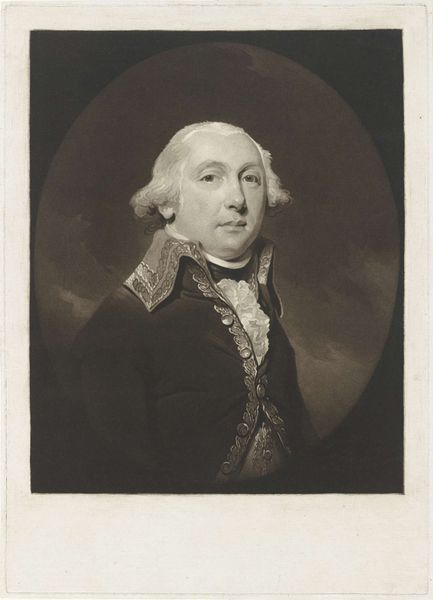
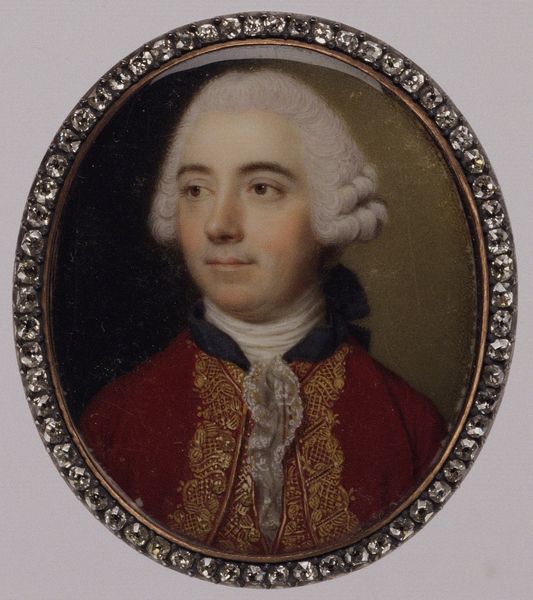
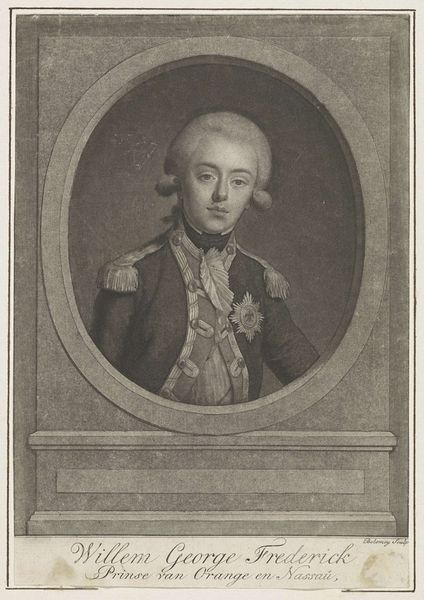
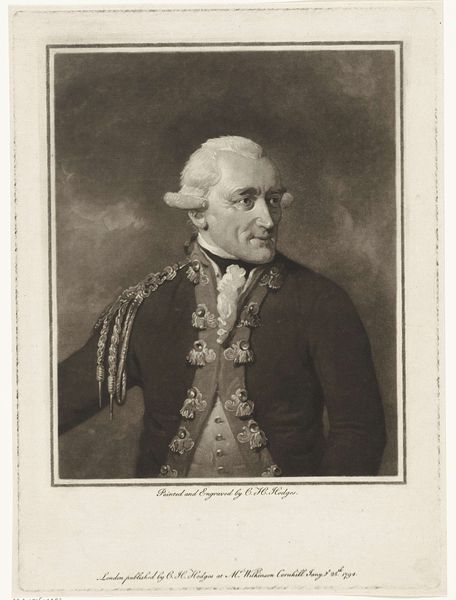
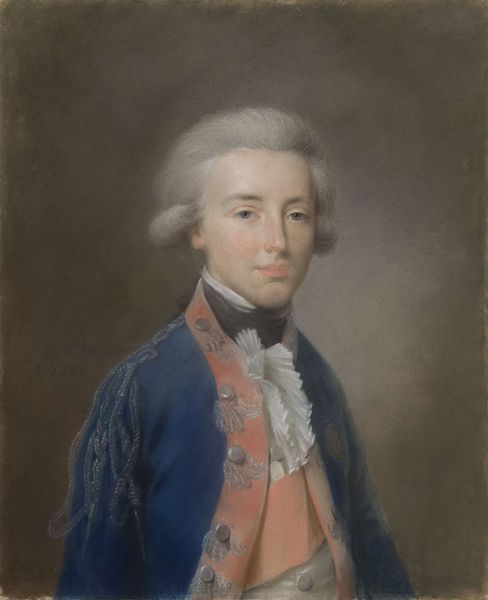
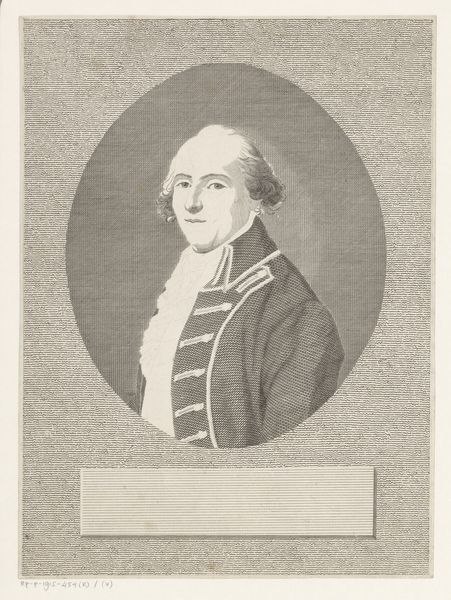
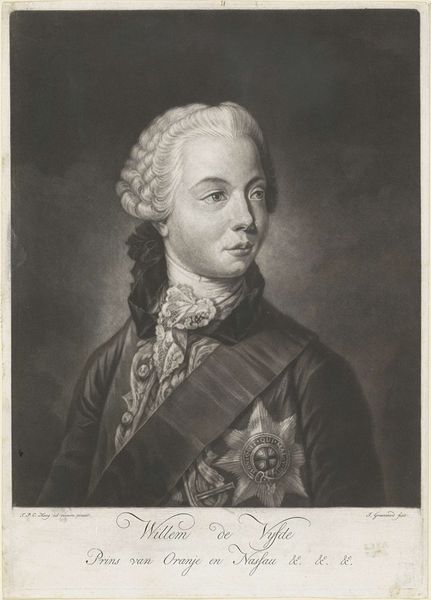
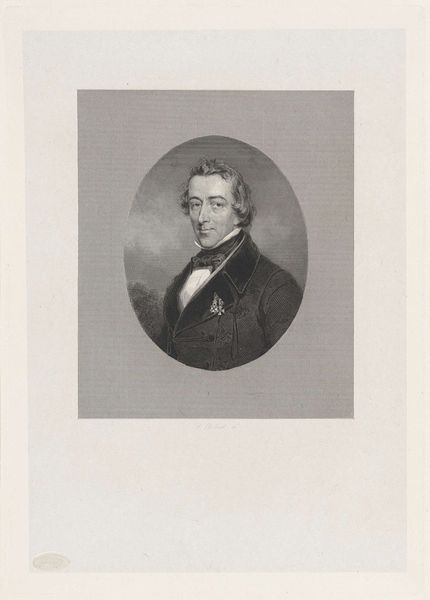
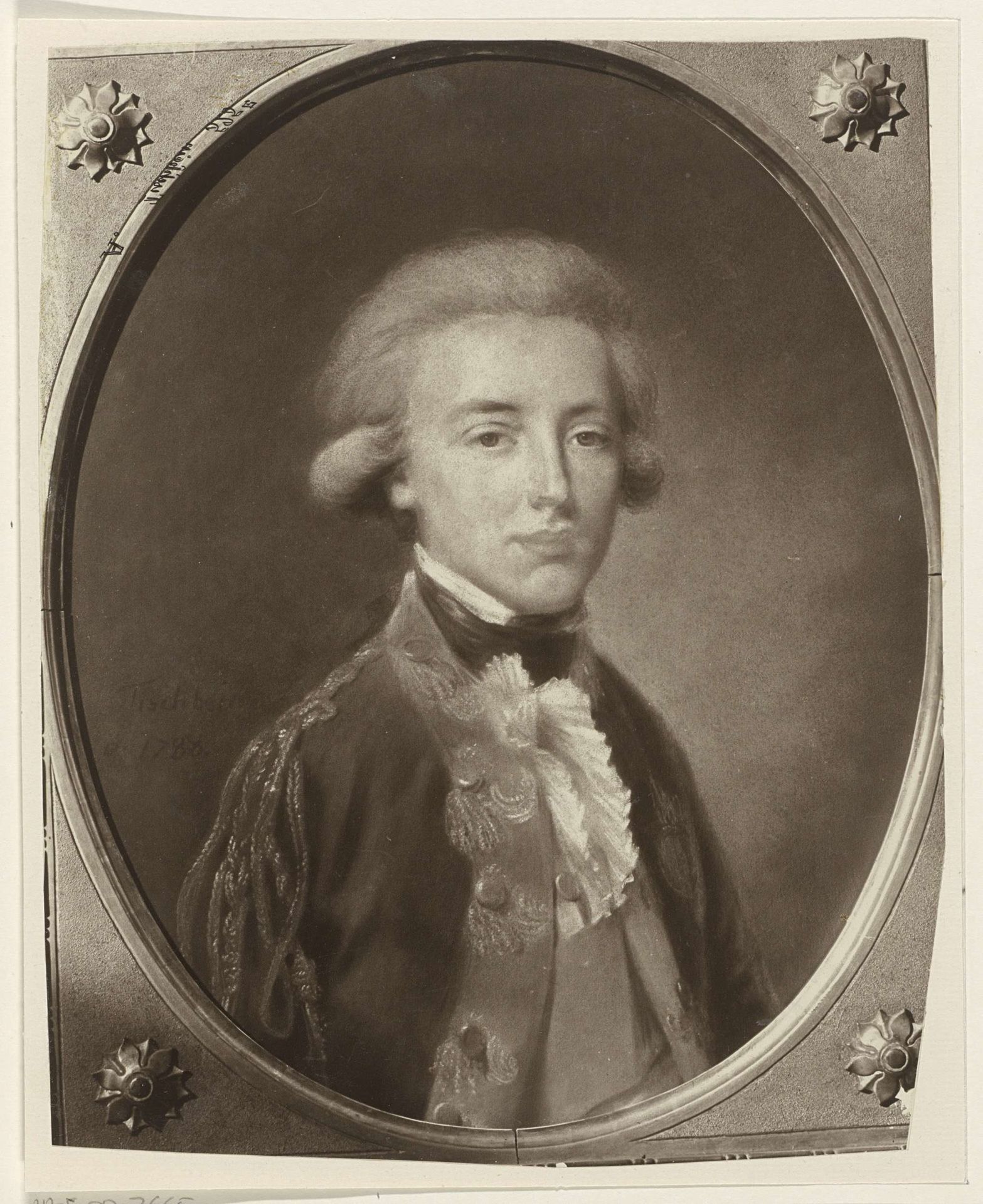
This is an anonymous portrait of Willem I Frederick, King of the Netherlands. It was made using a combination of chalk and stipple engraving. Let's consider the material qualities of this portrait. Chalk has a matte, powdery texture, and the artist has skillfully used it to create soft gradations of light and shadow, giving the king's face a lifelike presence. Stipple engraving, involves creating tiny dots on a metal plate, which are then inked and printed, imbuing the portrait with unique tonal depth. While chalk drawings had associations with the art academy, printmaking was a more commercial venture, and the stipple engraving technique lent itself well to mass production, enabling the dissemination of the King's image throughout society. Consider the amount of labor that went into creating this image, from the initial drawing to the meticulous engraving process. Thinking about its materials, making, and historical context offers insights into the artistic and cultural values of the time. It encourages us to question traditional boundaries between fine art and craft.
Portret van Willem I Frederik, koning der Nederlanden
1850 - 1930

Anonymous
@anonymousLocation
RijksmuseumArtwork details
- Dimensions
- height 276 mm, width 222 mm
- Location
- Rijksmuseum
- Copyright
- Rijks Museum: Open Domain
Comments
Be the first to share your thoughts about this work.
About this artwork
This is an anonymous portrait of Willem I Frederick, King of the Netherlands. It was made using a combination of chalk and stipple engraving. Let's consider the material qualities of this portrait. Chalk has a matte, powdery texture, and the artist has skillfully used it to create soft gradations of light and shadow, giving the king's face a lifelike presence. Stipple engraving, involves creating tiny dots on a metal plate, which are then inked and printed, imbuing the portrait with unique tonal depth. While chalk drawings had associations with the art academy, printmaking was a more commercial venture, and the stipple engraving technique lent itself well to mass production, enabling the dissemination of the King's image throughout society. Consider the amount of labor that went into creating this image, from the initial drawing to the meticulous engraving process. Thinking about its materials, making, and historical context offers insights into the artistic and cultural values of the time. It encourages us to question traditional boundaries between fine art and craft.
Comments
Be the first to share your thoughts about this work.