1772
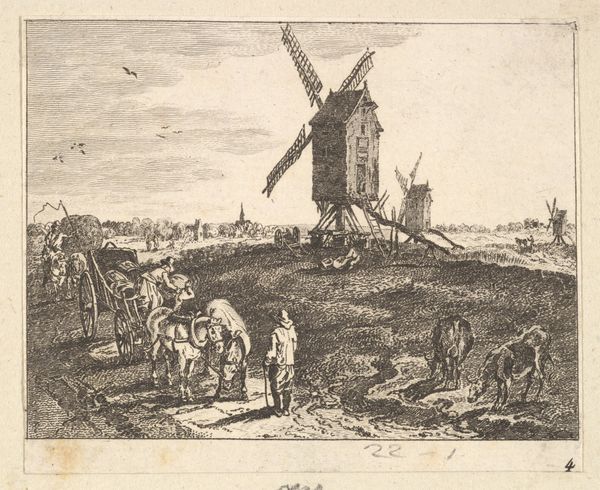
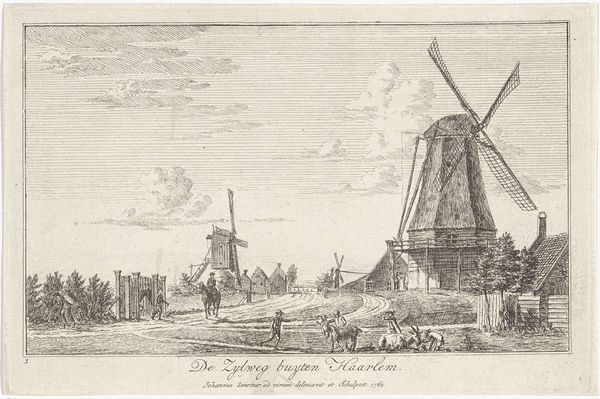
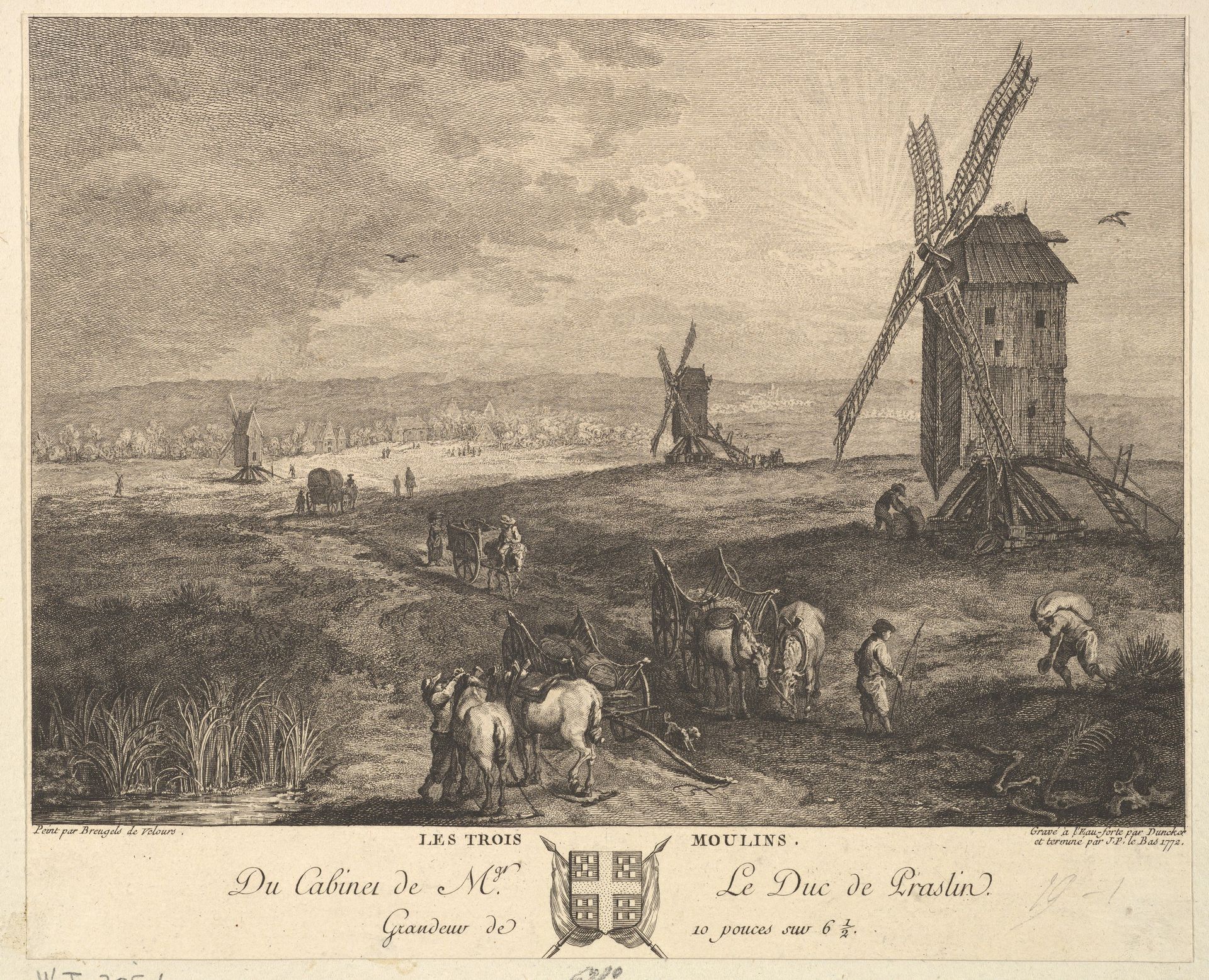
The Three Windmills (Les Trois Moulins) after a painting in the collection of the Duc de Praslin

Balthasar Anton Dunker
1746 - 1807
The Metropolitan Museum of Art
Metropolitan Museum of Art, New York, NYListen to curator's interpretation
Curatorial notes
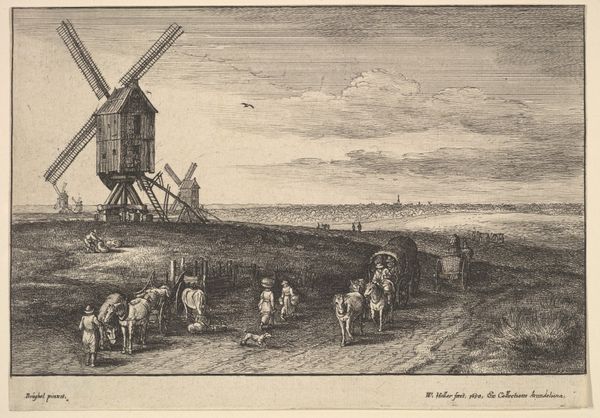
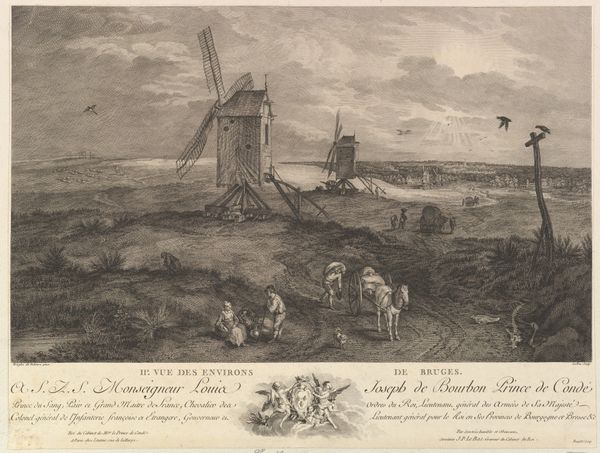
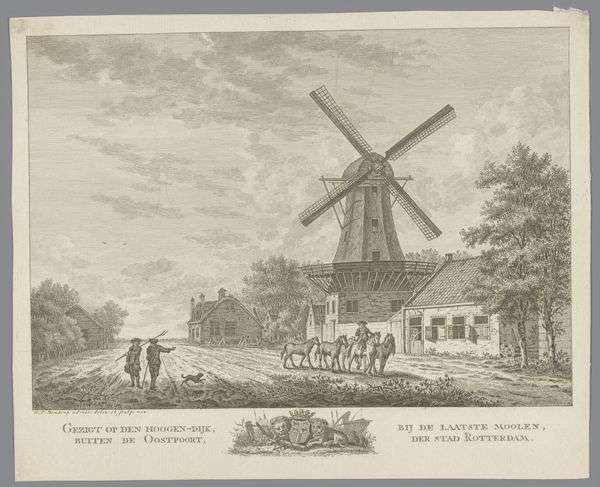
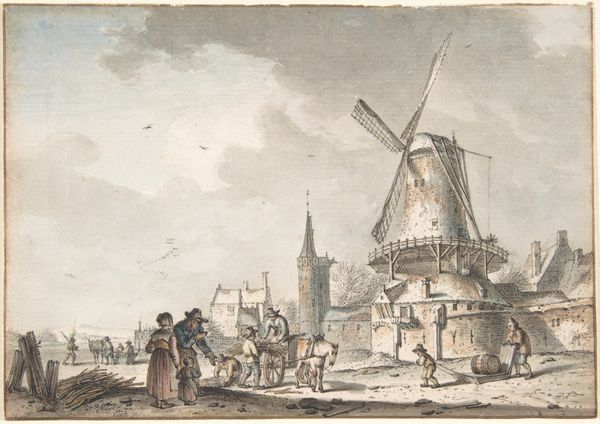
Balthasar Anton Dunker created this print, “The Three Windmills,” after a painting in the collection of the Duc de Praslin. This French landscape scene provides a window into the 18th century's relationship to its rural environment. The image creates meaning through its depiction of the economic life of the French countryside. Windmills were essential for grinding grain, a staple food. The presence of laborers and animals suggests the economic activity surrounding food production. Aristocratic patronage was crucial for artists, and this print reproduces an artwork owned by a member of the French nobility. The print served to disseminate the tastes of the elite to a wider audience, reinforcing the social hierarchy. To understand this artwork better, we might research the economic conditions of 18th-century France or the patronage system that sustained artistic production. The meaning of this landscape scene is always contingent on such historical contexts.