About this artwork
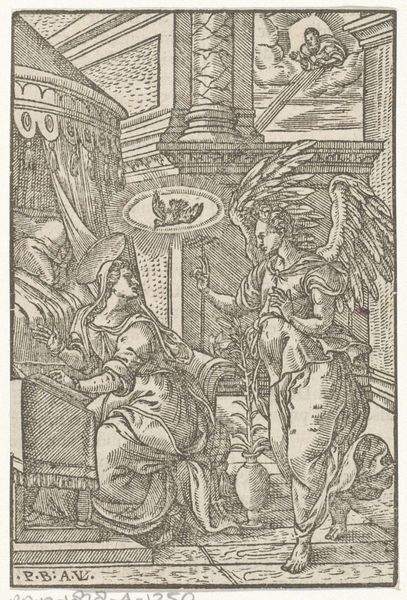
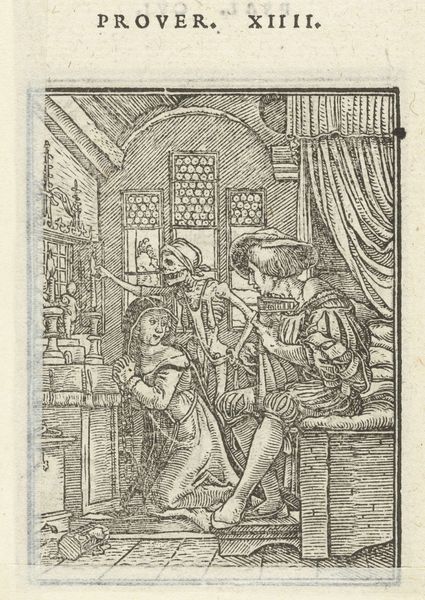
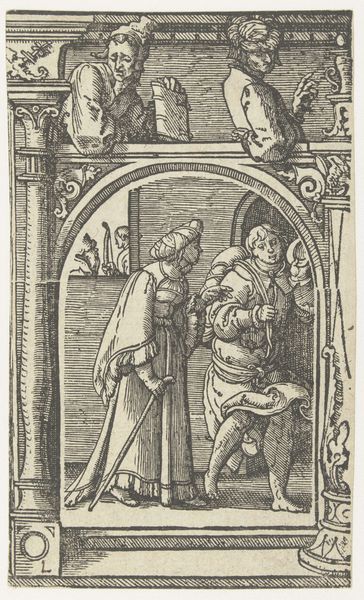
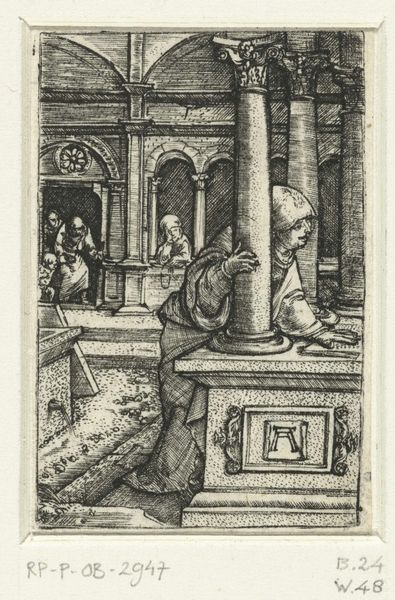
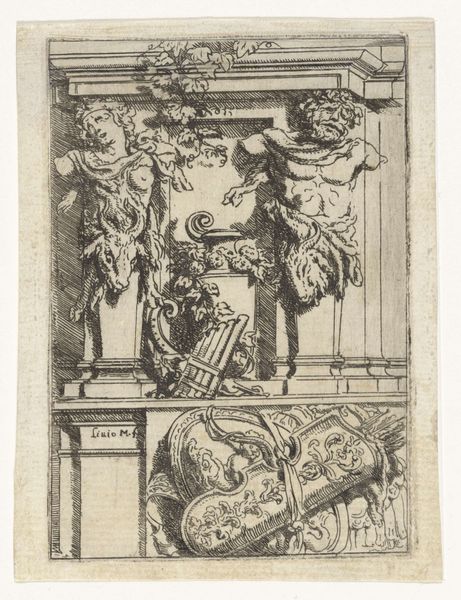
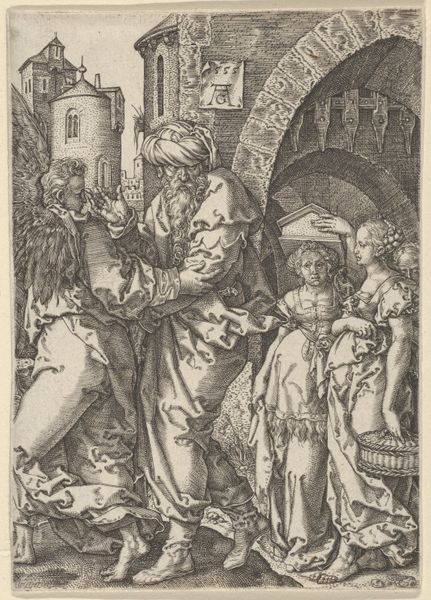
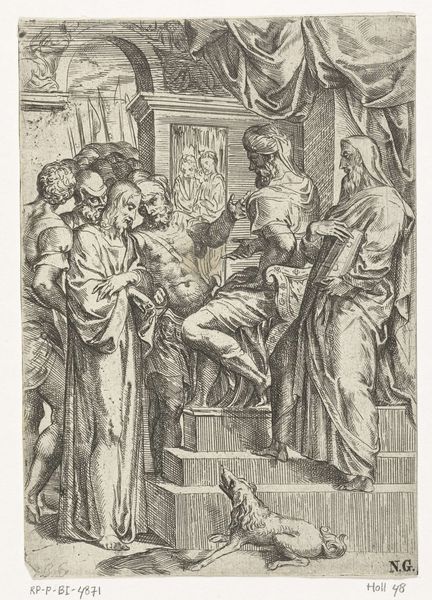
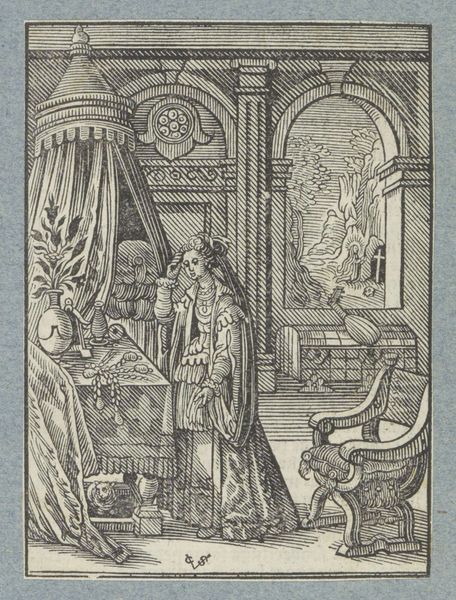
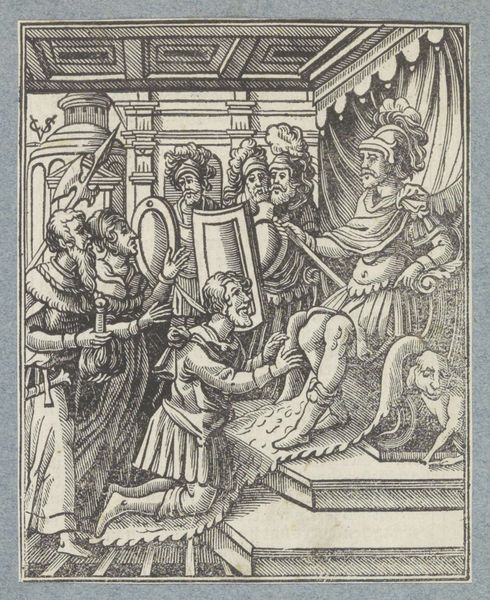
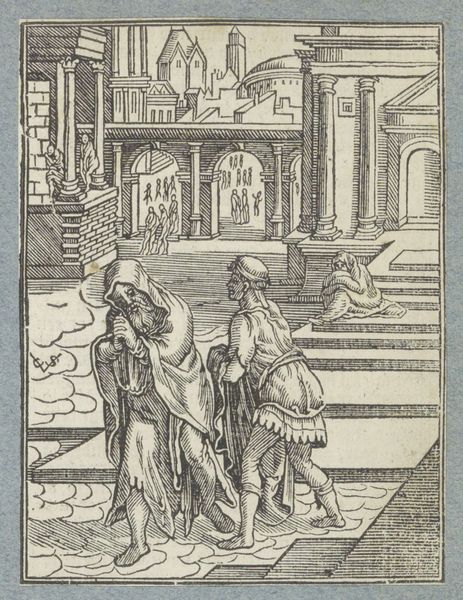
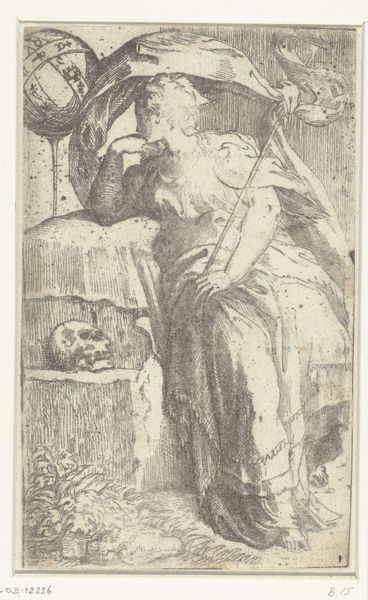
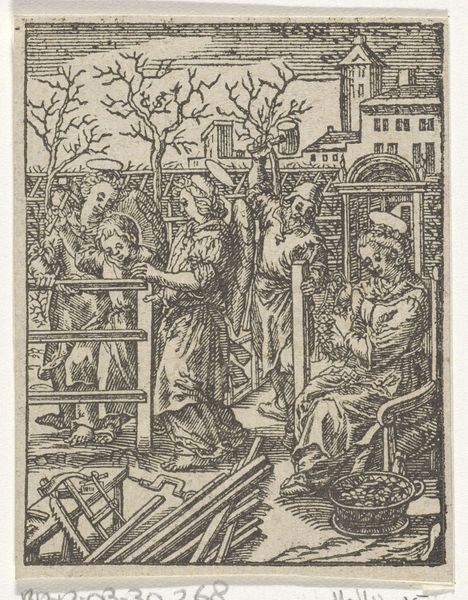
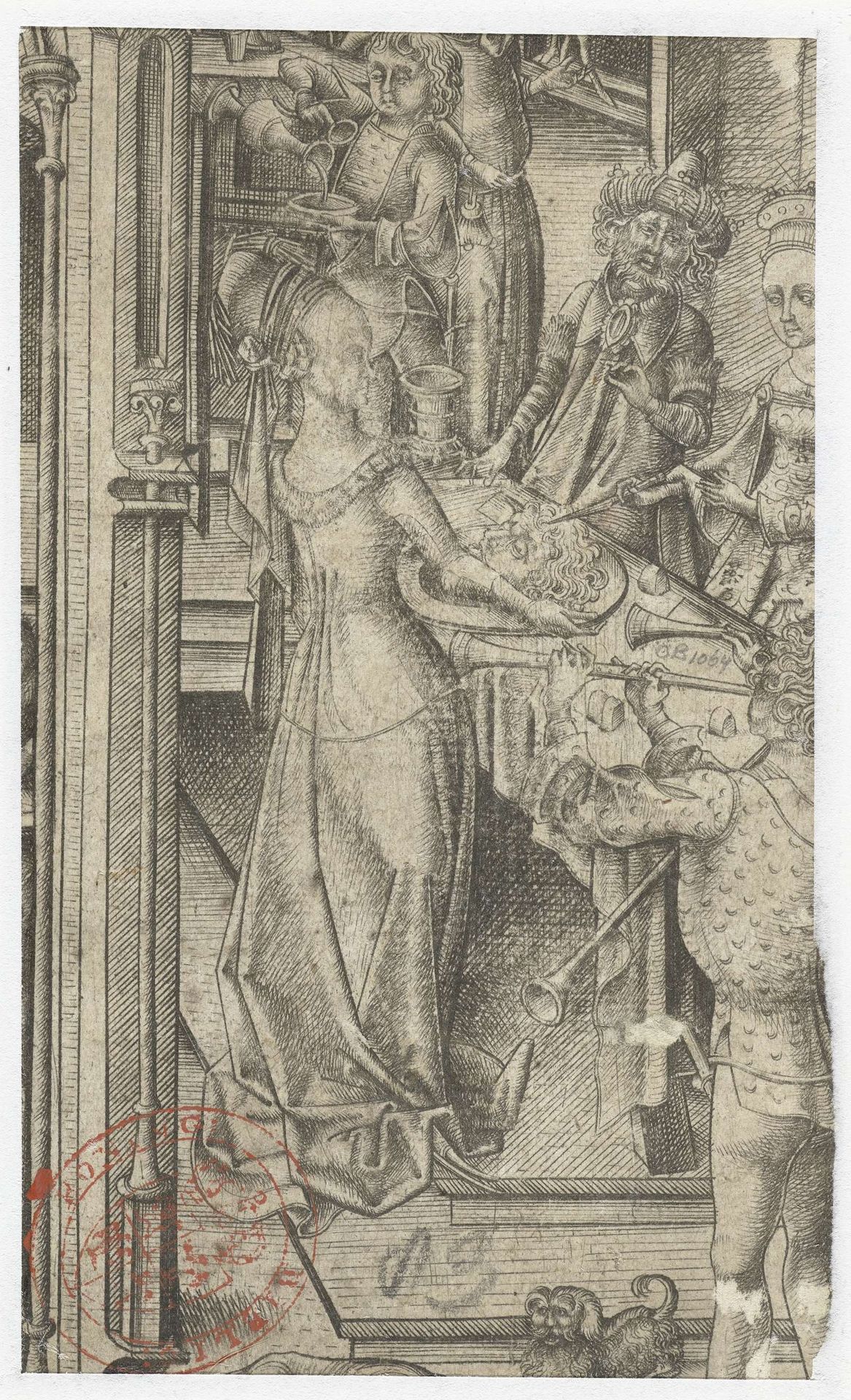
This is a fragment of an engraving made by Israhel van Meckenem in the late fifteenth century. The primary material is the ink, transferred onto paper via a metal plate. Look closely, and you can see the hatching and cross-hatching, tiny parallel lines that build up tone and volume. This painstaking process required a high degree of skill and would have taken many hours. The matrix, a metal plate, was incised with tools called burins, and then the ink was carefully applied, before printing the image. Engravings like this one served many purposes. They were luxury goods, of course, but also disseminated images widely, contributing to the spread of ideas and artistic styles. The very act of reproducing this scene allowed for its distribution and interpretation by a much wider audience. This points to the important role of craft in shaping culture, far beyond the creation of singular art objects.
De onthoofding van Johannes de Doper (fragment) 1455 - 1503

Israhel van Meckenem
1435 - 1503Location
RijksmuseumArtwork details
- Medium
- print, engraving
- Dimensions
- height 134 mm, width 82 mm
- Location
- Rijksmuseum
- Copyright
- Rijks Museum: Open Domain
Tags
medieval
narrative-art
figuration
line
history-painting
northern-renaissance
engraving
Comments
No comments
About this artwork
This is a fragment of an engraving made by Israhel van Meckenem in the late fifteenth century. The primary material is the ink, transferred onto paper via a metal plate. Look closely, and you can see the hatching and cross-hatching, tiny parallel lines that build up tone and volume. This painstaking process required a high degree of skill and would have taken many hours. The matrix, a metal plate, was incised with tools called burins, and then the ink was carefully applied, before printing the image. Engravings like this one served many purposes. They were luxury goods, of course, but also disseminated images widely, contributing to the spread of ideas and artistic styles. The very act of reproducing this scene allowed for its distribution and interpretation by a much wider audience. This points to the important role of craft in shaping culture, far beyond the creation of singular art objects.
Comments
No comments