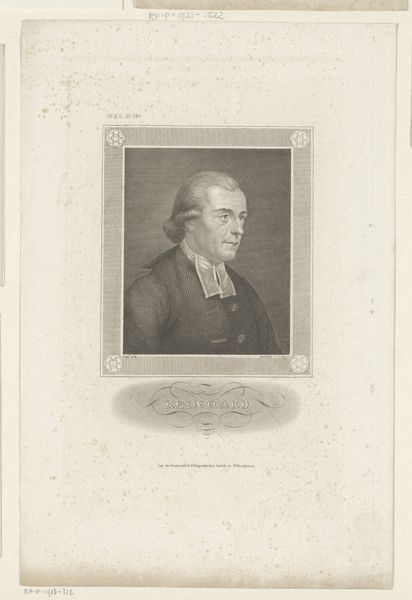
print, engraving
portrait
neoclacissism
19th century
engraving
realism
Dimensions: height 171 mm, width 114 mm
Copyright: Rijks Museum: Open Domain
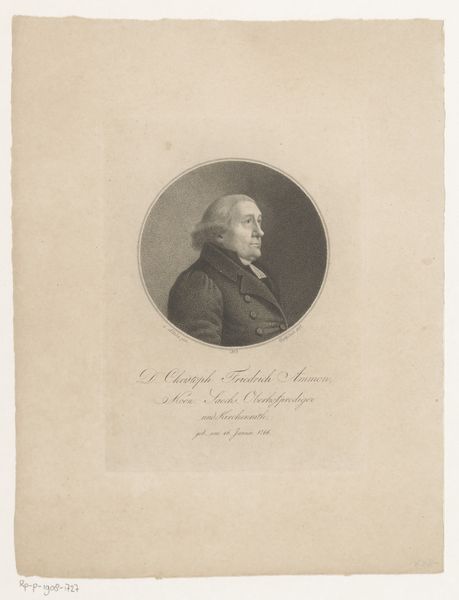
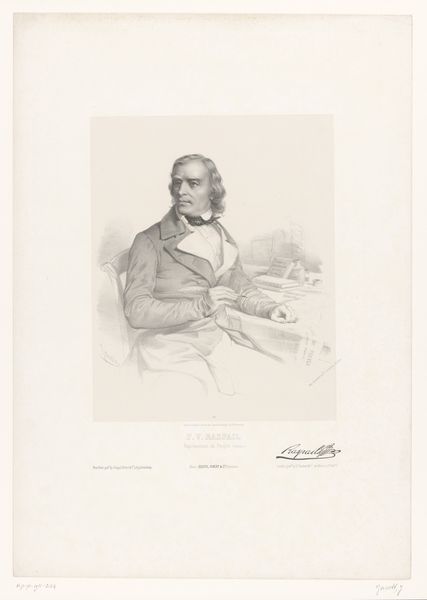
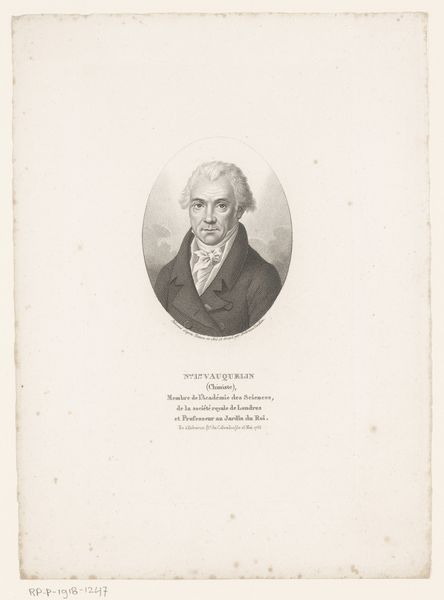
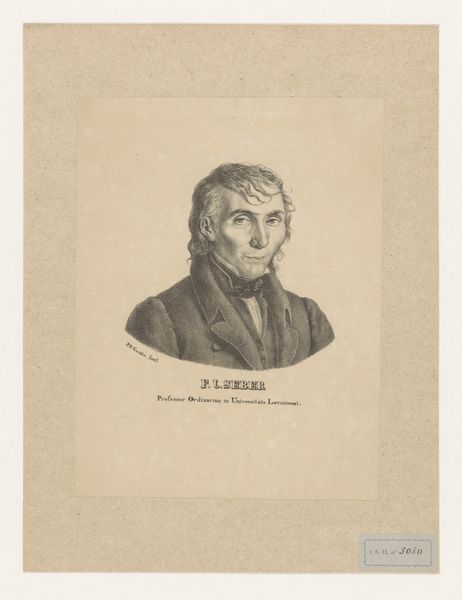
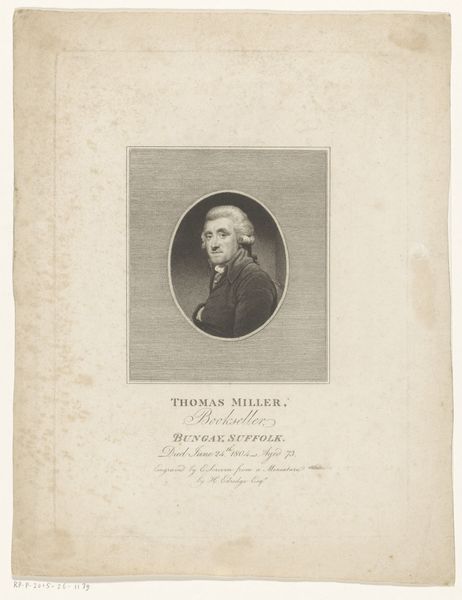
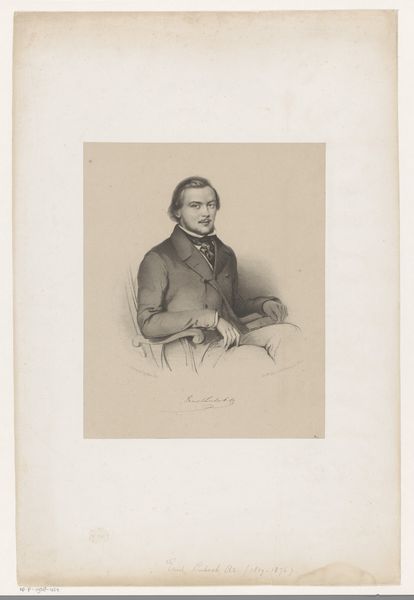
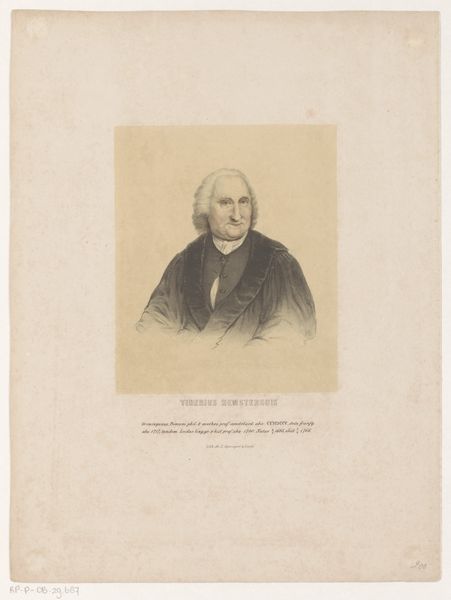
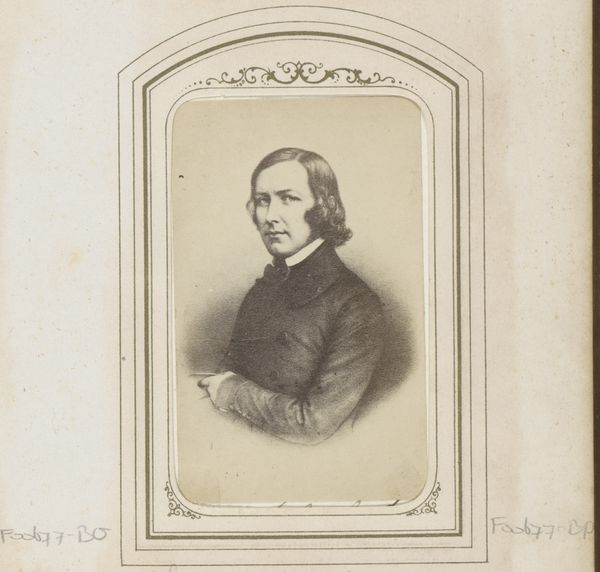
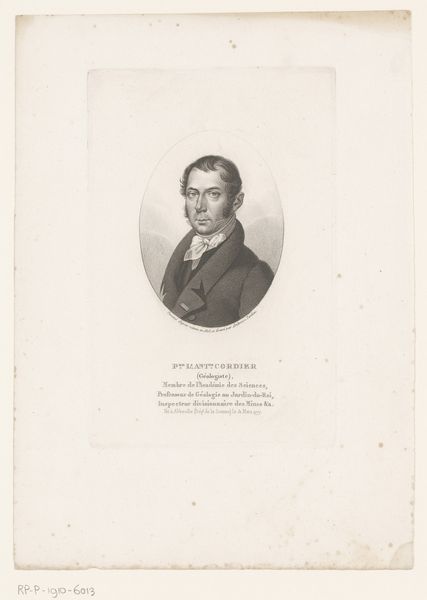
Curator: Looking at this print, what strikes you immediately? Editor: The quietness, I think. Despite all the details achieved through the engraving, there is an introspective stillness to the man depicted. Curator: That's a lovely observation. This is "Portret van Johann Jakob Moser," a neoclassical portrait print that has been dated anywhere between 1767 and 1811 and is credited to Christian Jakob Schlotterbeck. As you can see, the medium here is an engraving. Editor: Moser seems like someone keenly aware of the social contract, his pose almost seems calculated to project respectability, yet the eyes hint at some personal concerns weighing him down. How might the piece's reception been impacted by the social context in which it was first created and viewed? Curator: I imagine very significantly! Prints such as these had a vital public function; as they allowed for wider circulation of a figure's likeness and ideals. Think about the ways portraits operate within the realm of power: who gets remembered, whose image is widely disseminated. It wasn't accidental. Editor: Precisely! And looking closer, I think Moser’s rather elegant but simple clothing sends an intriguing message as well, which is quite thought-provoking in relation to that historical and social context. There is an emphasis on realism, but I see it reflecting the sitter's conscious efforts at projecting an air of trustworthiness. Curator: That's quite insightful. We could delve deeper into how artistic choices reflected societal norms. Realism wasn’t only a technical achievement, but also a carrier of meaning. Editor: Indeed! Thinking about that impact and the politics embedded in imagery of the time really does make me want to examine this further! Curator: It provides so much depth when considering art and its position, both then and now.
Comments
No comments
Be the first to comment and join the conversation on the ultimate creative platform.
 React
React Comment