1636 - 1647
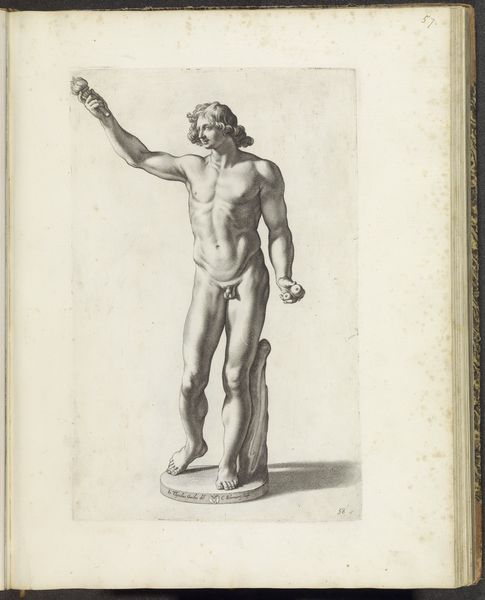
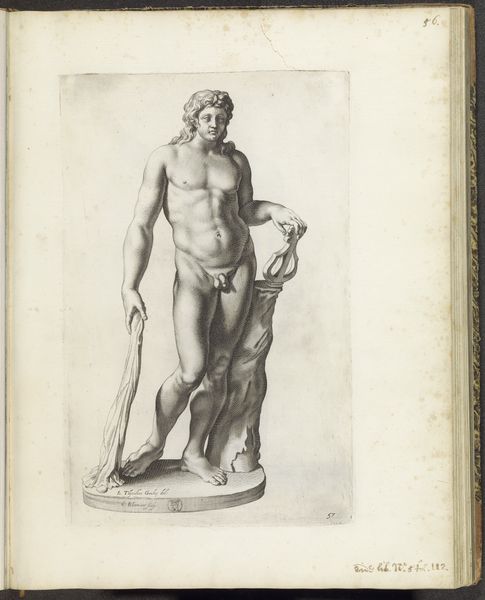
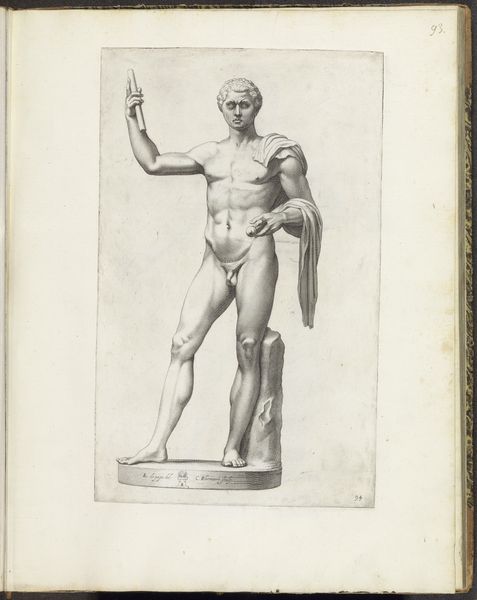
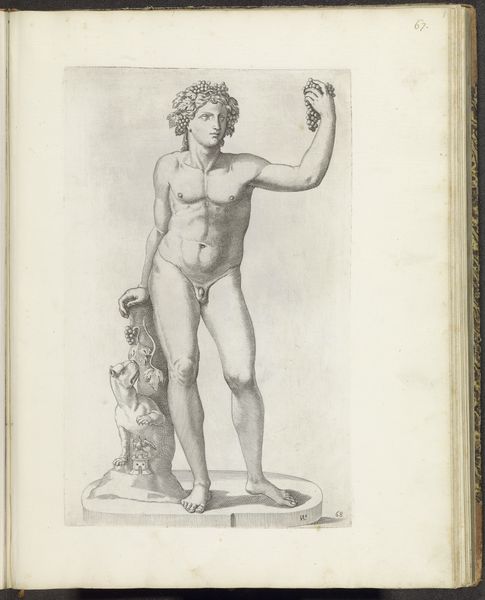
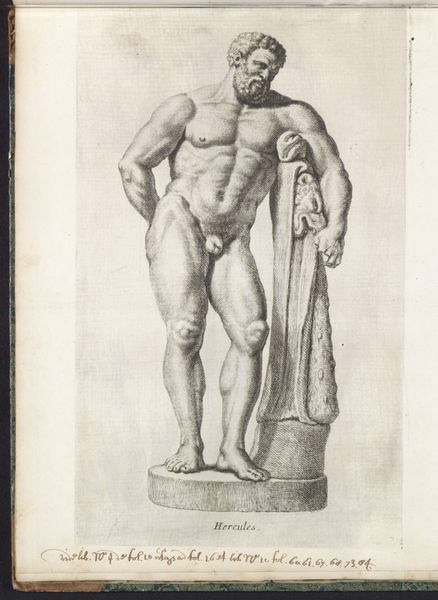
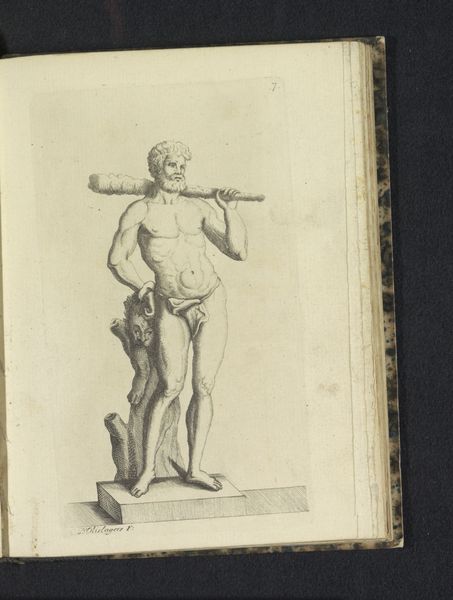
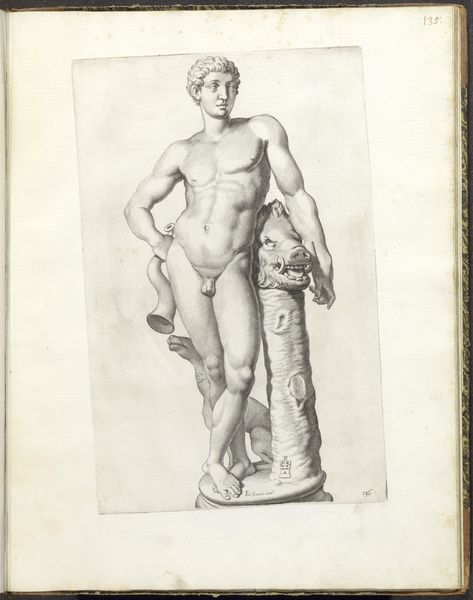
Standbeeld van Hercules

Cornelis Bloemaert
1603 - 1684Location
RijksmuseumListen to curator's interpretation
Curatorial notes
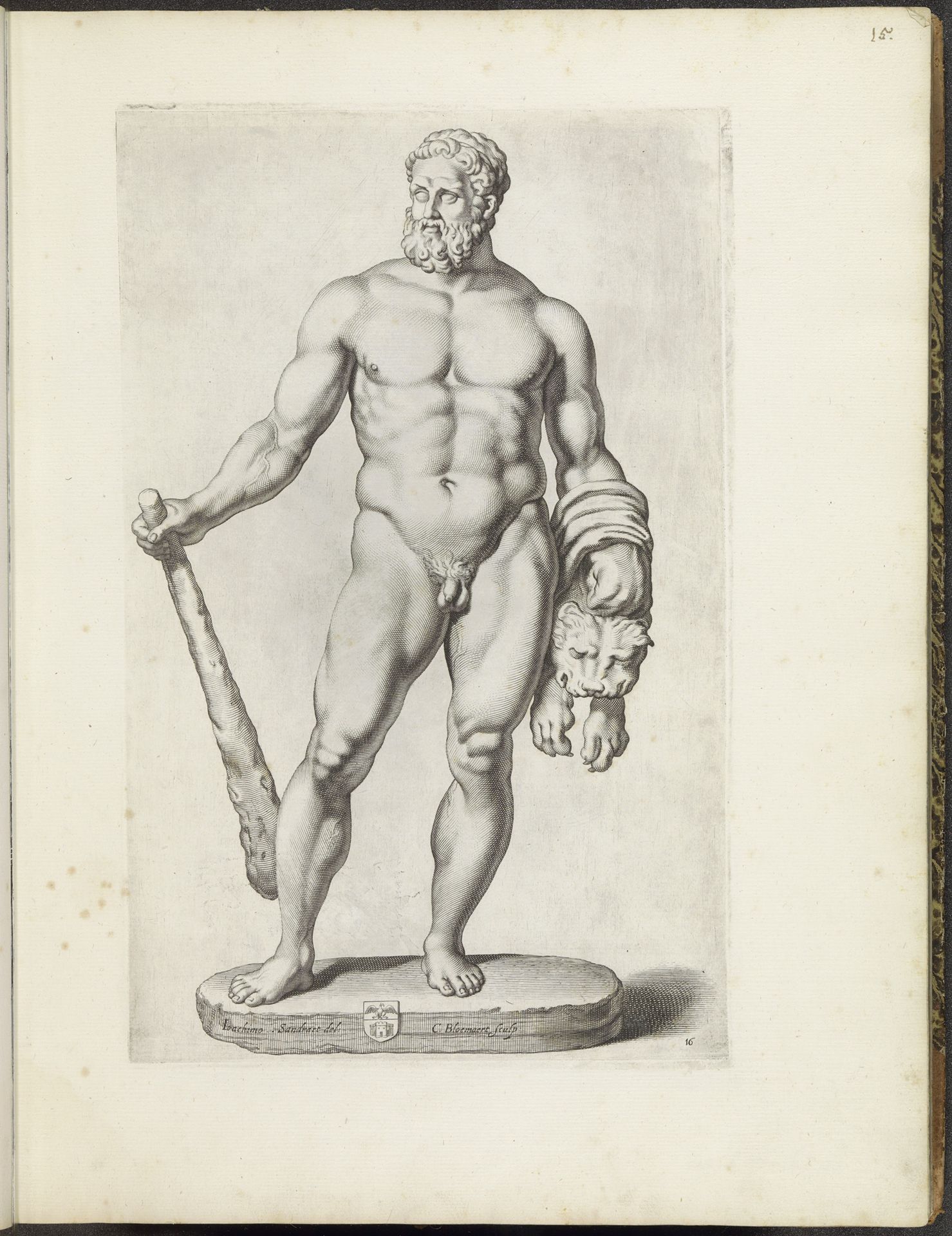
Cornelis Bloemaert created this drawing, "Statue of Hercules," sometime in the 17th century. During the Dutch Golden Age, artists turned to classical antiquity for heroic themes. Here, we see Hercules, son of Zeus, nude, and in the full bloom of masculine virility, holding a club in one hand and the skin of the Nemean lion in the other. The lion skin isn't just a trophy. It's a symbol of triumph over the untamed, of order wrested from chaos. But let’s consider how this image also underscores power dynamics of gender and class. The glorification of the male form as ideal, as worthy of representation, is itself a statement about whose bodies matter, whose stories get told. As you stand here, think about how representations like these have shaped and continue to shape our understanding of strength, beauty, and heroism. Think about the bodies that are included and excluded in that narrative.