1853
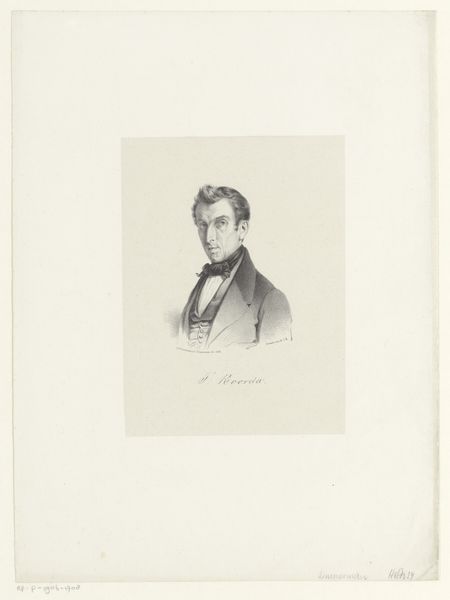
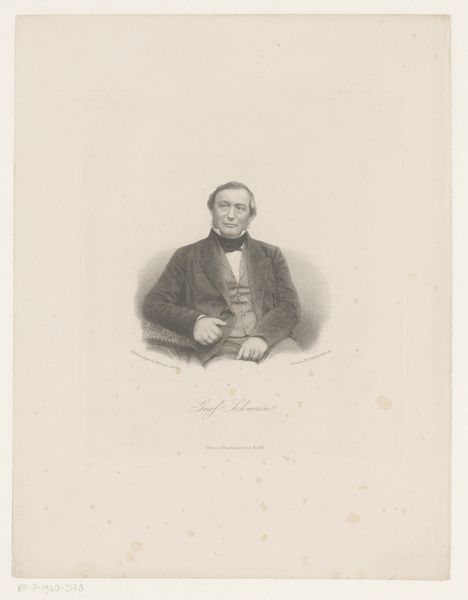
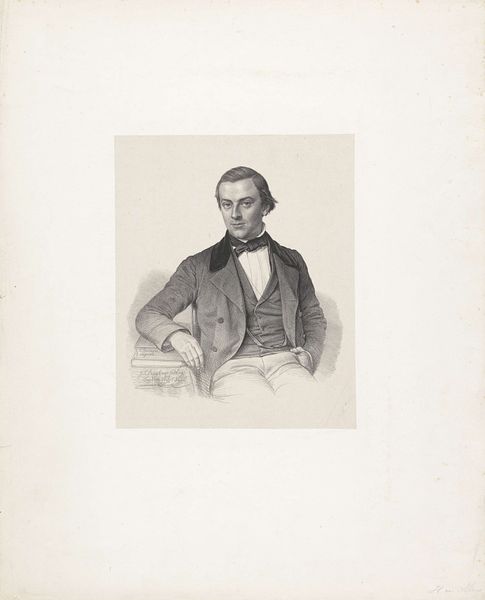
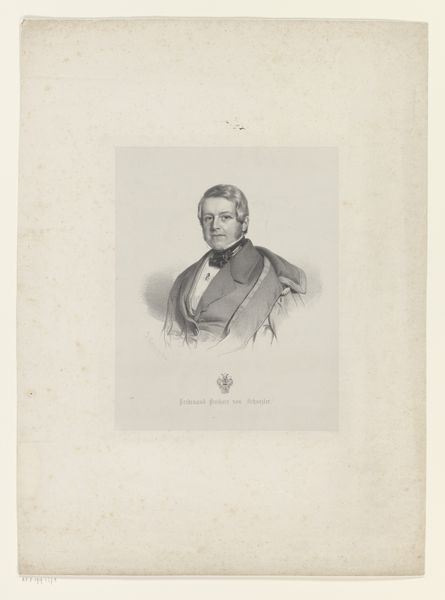
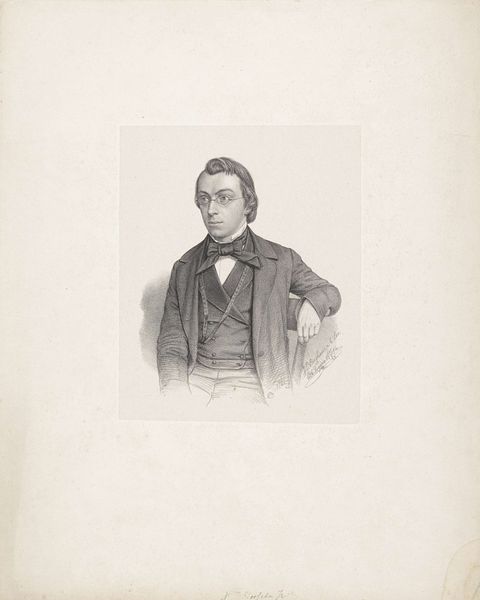
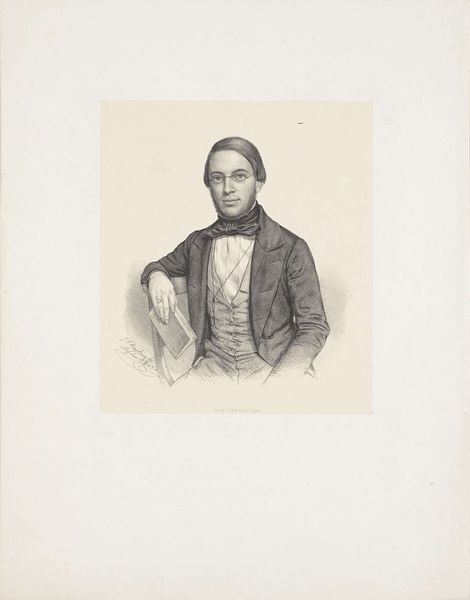
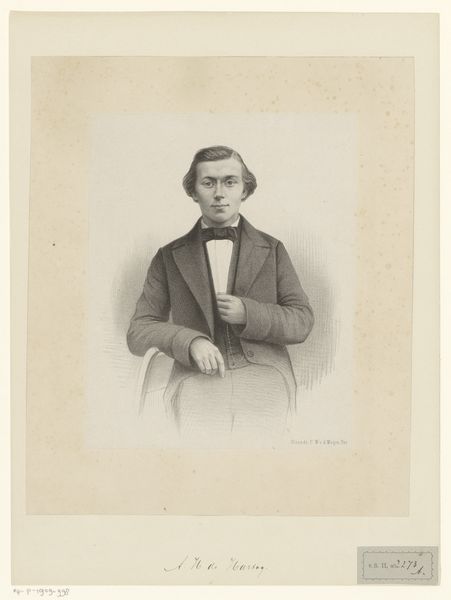
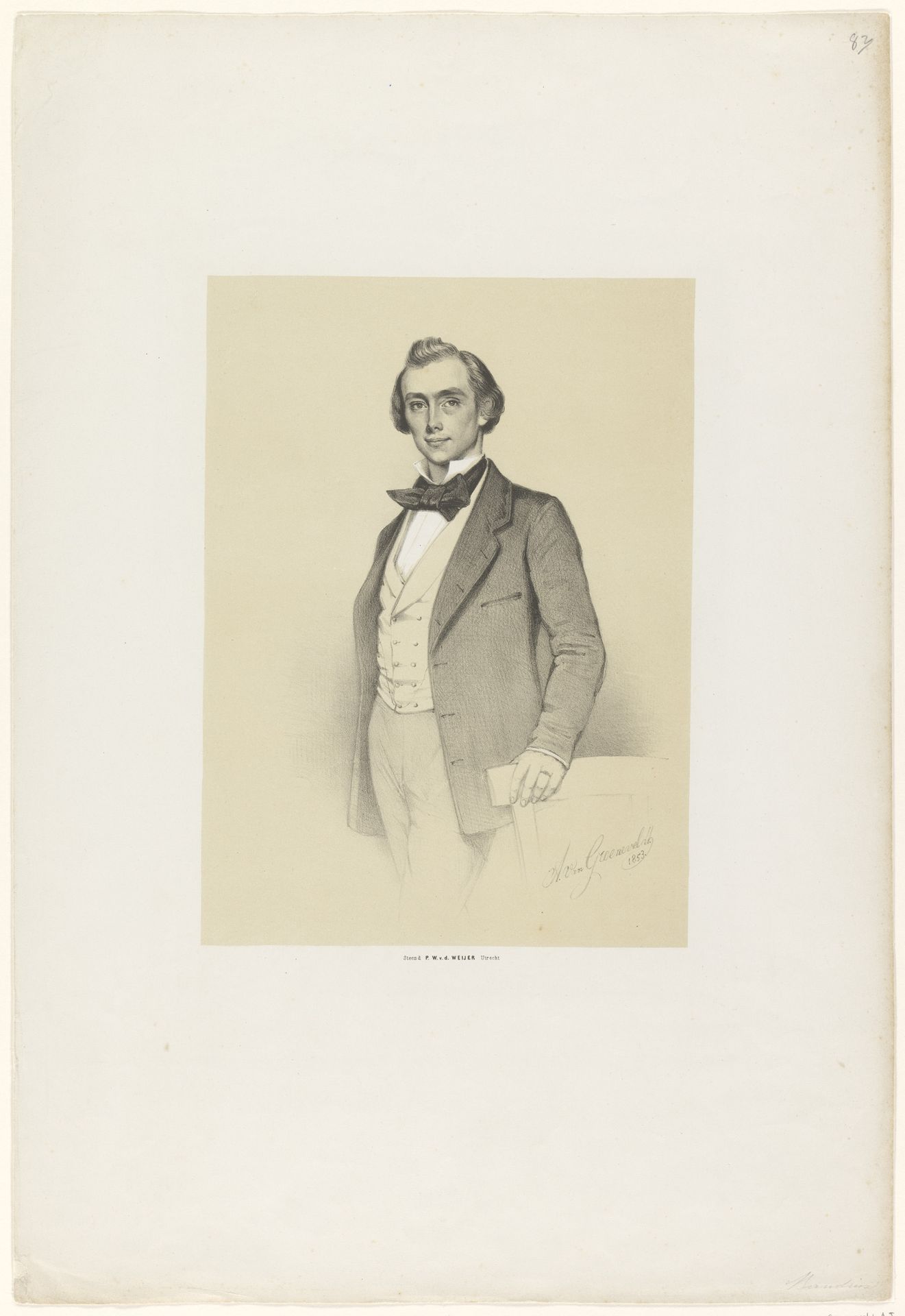
Portret van Dominicus Franciscus Antonius Bauduin

Antonie Johannes Groeneveldt
1824 - 1883Location
RijksmuseumListen to curator's interpretation
Curatorial notes
Antonie Johannes Groeneveldt made this portrait using lithography, a printing process that relies on the interplay between greasy crayon, water, and ink on a flat stone or metal plate. Lithography democratized image production in the 19th century, enabling relatively inexpensive reproductions. Unlike engraving, which demands specialized tools and skills to incise lines, lithography allows an artist to draw directly onto the printing surface, capturing nuances of tone and texture with ease. In this portrait, Groeneveldt exploits lithography's capacity for fine detail, rendering the sitter’s clothing, and hairstyle with remarkable fidelity. The subtle gradations of shading, achieved by varying the pressure of the lithographic crayon, create a lifelike presence. The mass-producible nature of lithography facilitated the dissemination of images of prominent individuals like Dominicus Franciscus Antonius Bauduin, reflecting a growing culture of celebrity and visual consumption. This portrait is a testament to the power of printmaking in shaping social identities and cultural values, challenging conventional hierarchies between art and commerce.