About this artwork
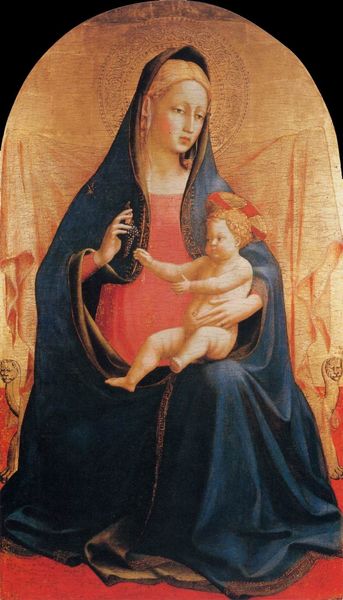
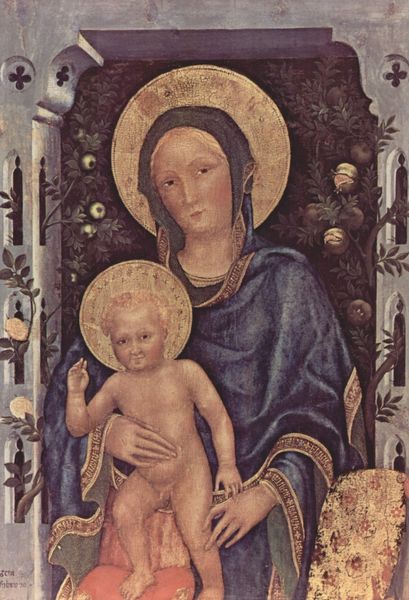
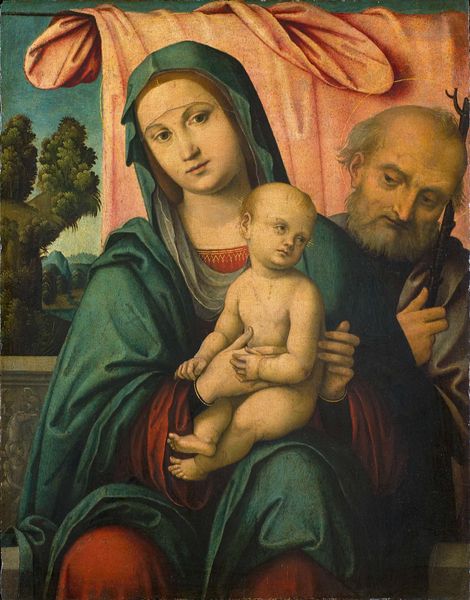
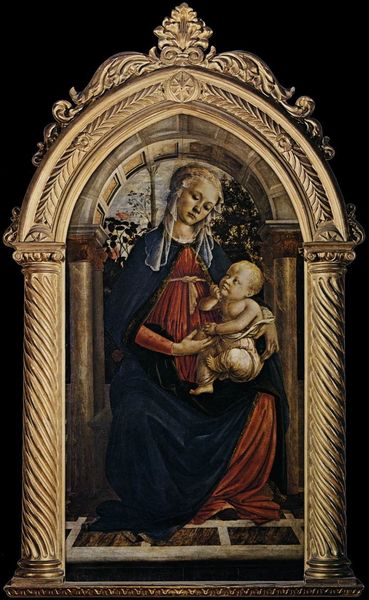
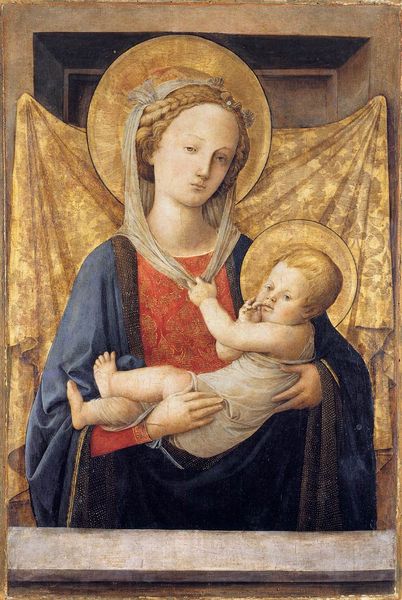
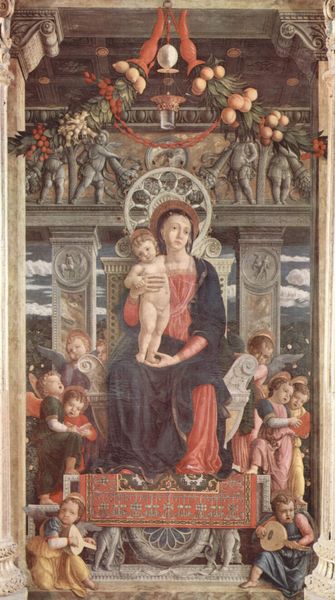
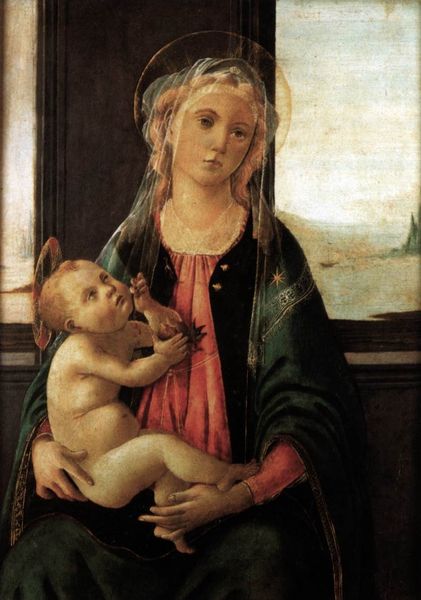
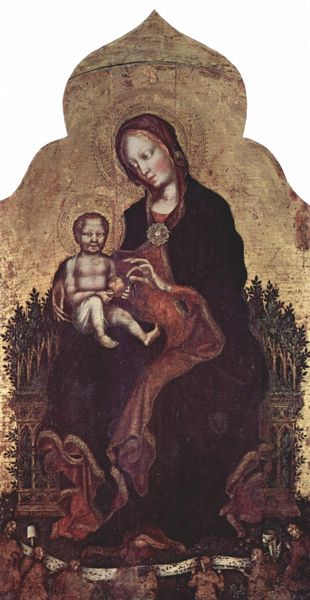
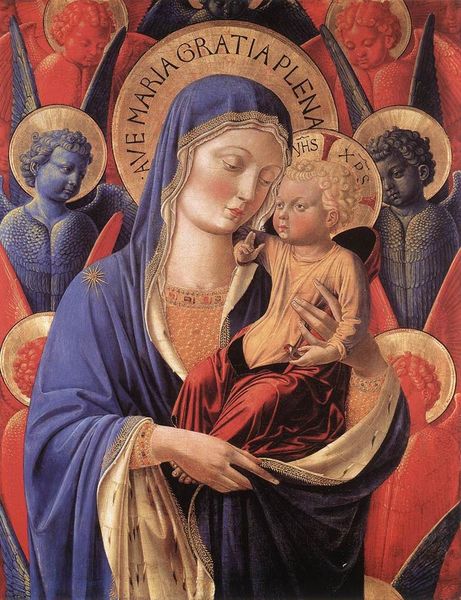
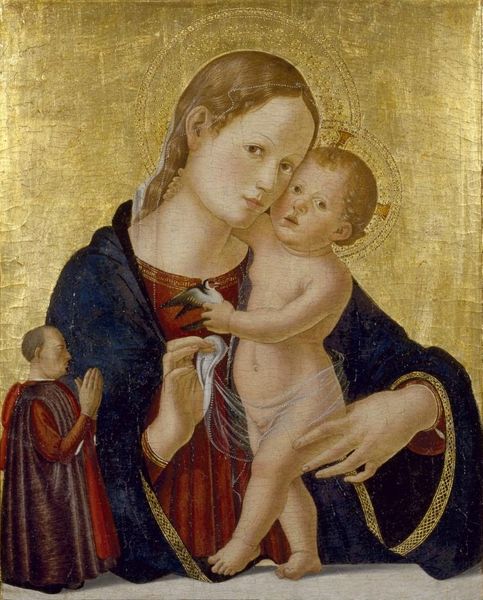
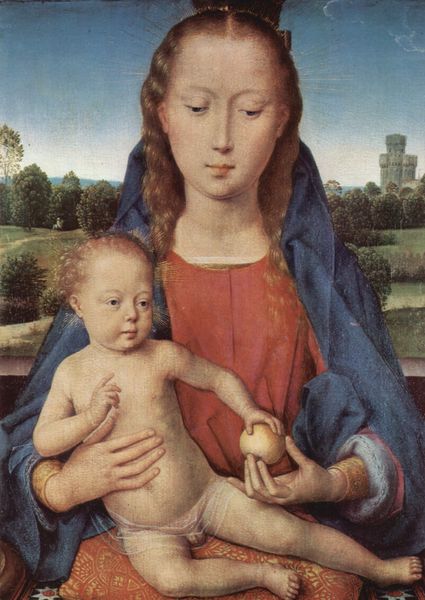
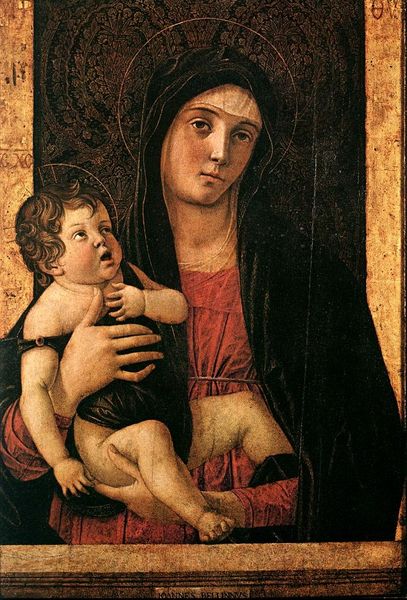
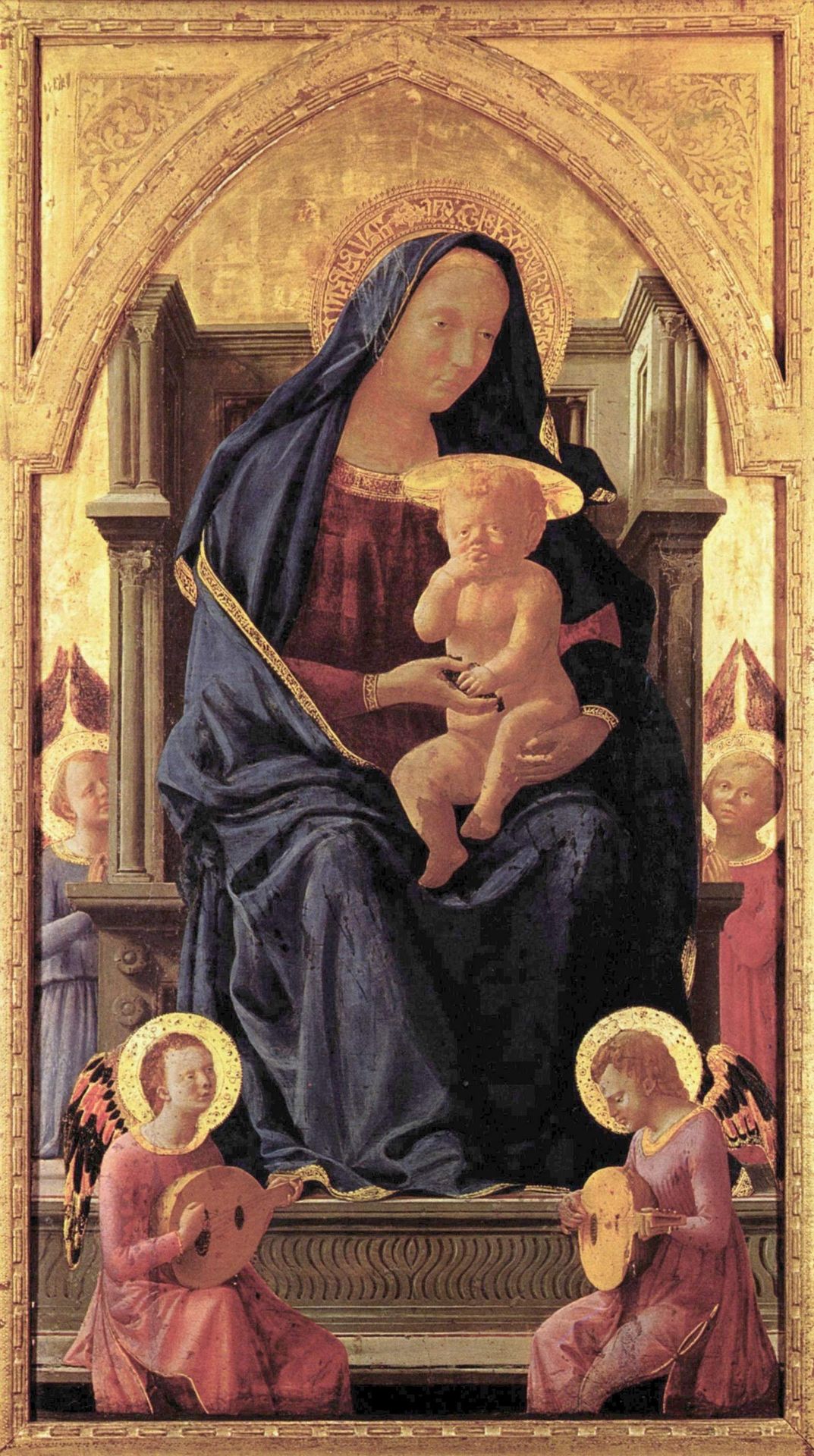
Masaccio painted "Maria and Child" with tempera on wood, during the early 1420s, amidst the burgeoning Renaissance in Florence. The painting reflects a pivotal moment in art history, capturing a shift from the idealized, otherworldly representations of the Madonna to a more human, naturalistic portrayal. Mary is depicted as a maternal figure, yet her identity is steeped in the religious dogma of the time, a tension between earthly existence and divine role. Consider how the use of perspective and depth, still nascent in the Renaissance, frames the subjects, inviting viewers into a space that feels both familiar and sacred. Despite the innovative approach to realism, traditional symbols such as the halos remind us of the painting’s function as an object of worship and veneration. Masaccio navigates the complex terrain of religious art, giving new form to traditional identities. He offers us a glimpse into the changing world where the human and the divine begin to share the same space.
Maria and Child
1426


Artwork details
- Medium
- painting, oil-paint
- Dimensions
- 136 x 73 cm
- Location
- National Gallery, London, UK
- Copyright
- Public domain
Tags
Comments
Share your thoughts
About this artwork
Masaccio painted "Maria and Child" with tempera on wood, during the early 1420s, amidst the burgeoning Renaissance in Florence. The painting reflects a pivotal moment in art history, capturing a shift from the idealized, otherworldly representations of the Madonna to a more human, naturalistic portrayal. Mary is depicted as a maternal figure, yet her identity is steeped in the religious dogma of the time, a tension between earthly existence and divine role. Consider how the use of perspective and depth, still nascent in the Renaissance, frames the subjects, inviting viewers into a space that feels both familiar and sacred. Despite the innovative approach to realism, traditional symbols such as the halos remind us of the painting’s function as an object of worship and veneration. Masaccio navigates the complex terrain of religious art, giving new form to traditional identities. He offers us a glimpse into the changing world where the human and the divine begin to share the same space.
Comments
Share your thoughts