1753
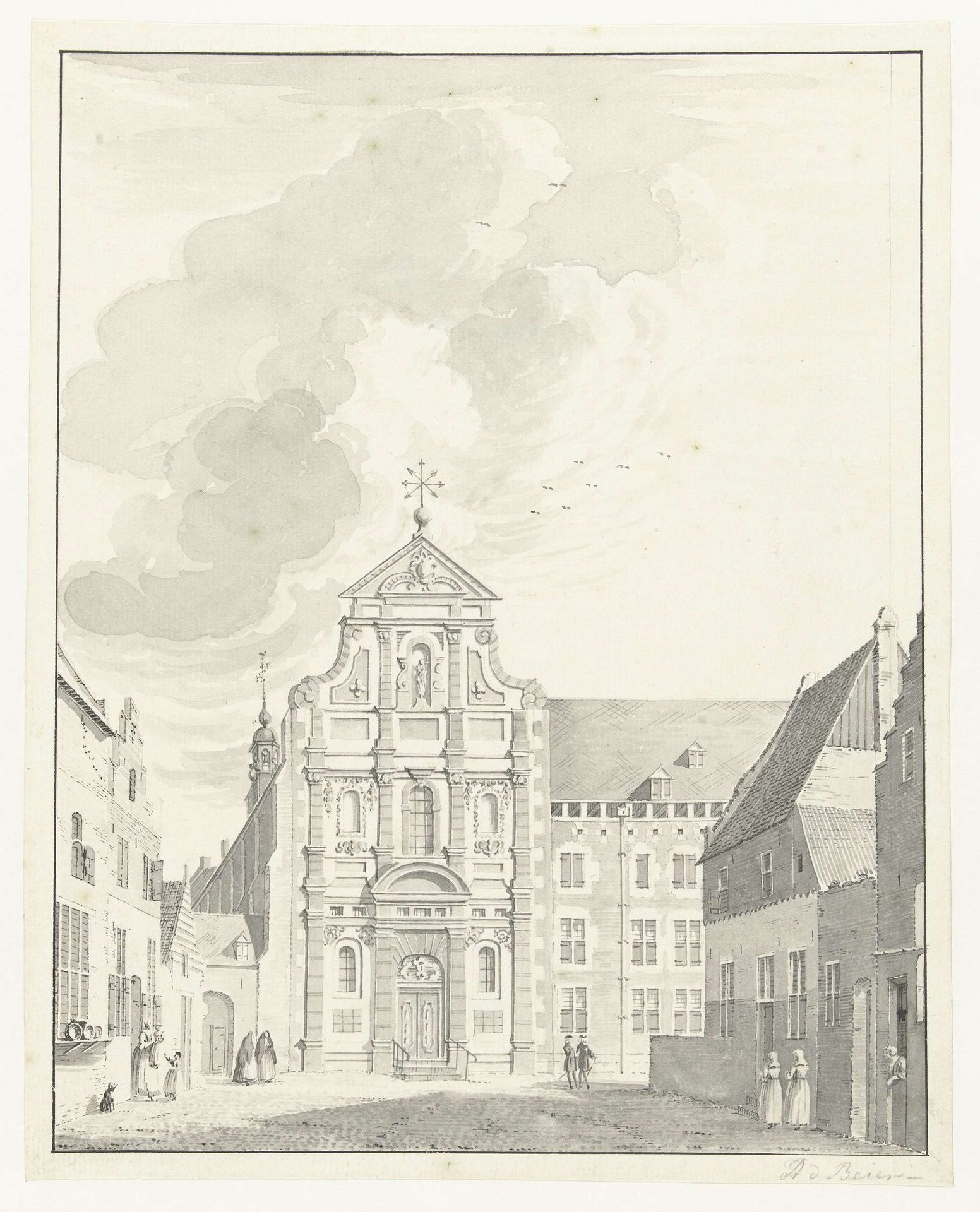
Ursuline Klooster te Roermond

Jan de Beijer
1703 - 1780Location
RijksmuseumListen to curator's interpretation
Curatorial notes
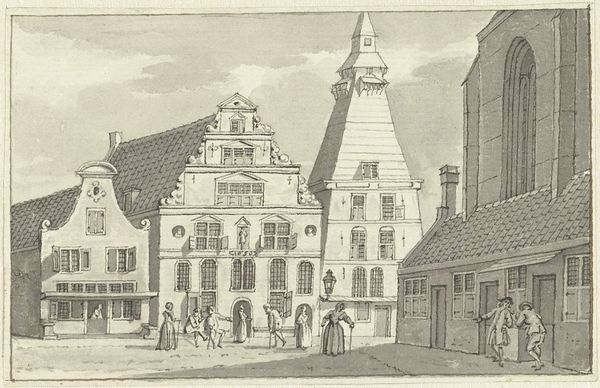
Jan de Beijer rendered Ursuline Klooster te Roermond in pen and gray ink wash sometime in the 18th century. De Beijer’s work reflects traditional methods, but its real value lies beyond the surface. The architectural drawing is precise. Every stone, window, and shadow is carefully articulated with the pen. Then, the gray ink wash softens the scene, adding depth and atmosphere to the urban landscape. The lines of the architecture are softened and made more organic with the application of the ink wash. Consider the unseen labor embedded in the buildings. The skilled stonemasons, carpenters, and laborers who erected the klooster. De Beijer captures not just the physical structure but also a moment in the town's history and the lives of its inhabitants. The artistry lies not only in De Beijer's hand but in the collective effort of a community shaping its environment. It invites us to consider the intersection of artistry, labor, and social context in the creation of our built environment.