About this artwork
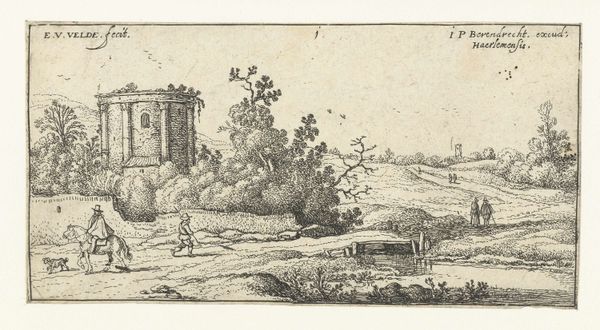
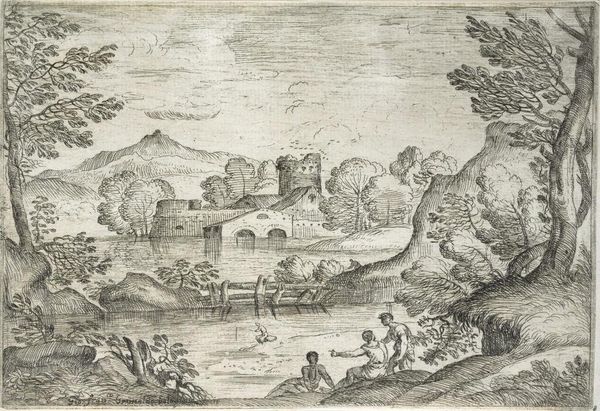
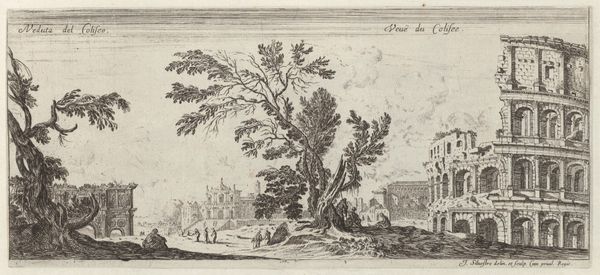
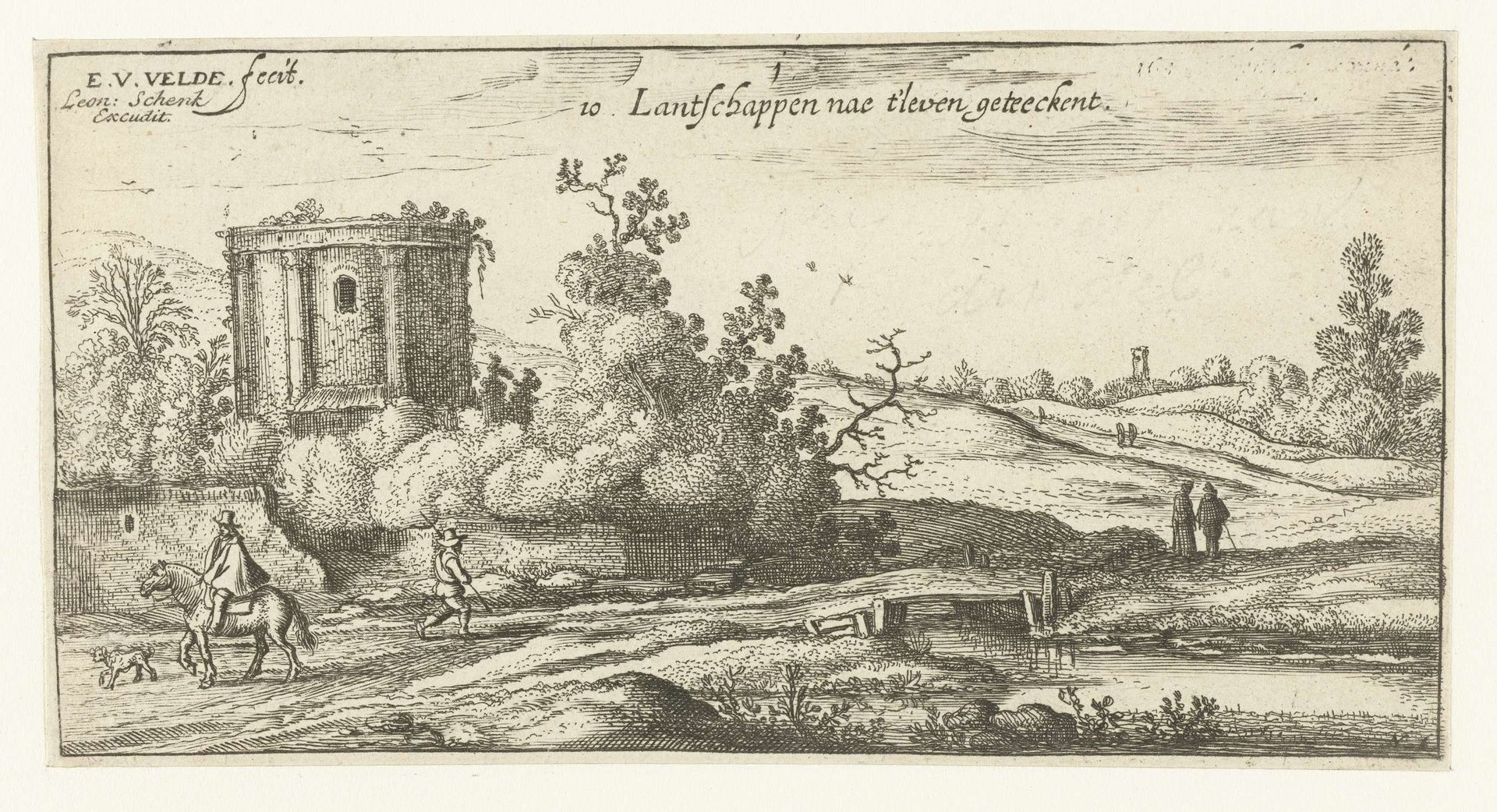
Esaias van de Velde etched this "Landscape with Ruins of a Roman Temple." Dominating the scene is the ruin, a potent symbol of time's passage and the impermanence of human achievement. But there is life intertwined, vegetation reclaiming the stones. This motif—ruins amidst nature—echoes across centuries, from the romantic visions of Piranesi to contemporary photography, each iteration a dialogue between past glory and present decay. Consider the ruin, a testament to Roman ambition, now embraced by nature. Its symbolism shifts. In medieval times, ruins might evoke divine judgment; later, a source of romantic melancholy, inviting contemplation on mortality. The ruin invites us to engage with our cultural memory. The psychological pull of ruins is undeniable. They are physical embodiments of loss, yet simultaneously, spaces of possibility and renewal. The etching captures this complex tension, inviting us to reflect on the cyclical nature of history, where symbols are continually reshaped and repurposed by the relentless march of time.
Landschap met ruïne van een romeinse tempel
Possibly 1614 - 1747

Esaias van de Velde
1587 - 1630Location
RijksmuseumArtwork details
- Medium
- drawing, print, etching, pen
- Dimensions
- height 94 mm, width 175 mm
- Location
- Rijksmuseum
- Copyright
- Rijks Museum: Open Domain
Tags
Comments
Share your thoughts
About this artwork
Esaias van de Velde etched this "Landscape with Ruins of a Roman Temple." Dominating the scene is the ruin, a potent symbol of time's passage and the impermanence of human achievement. But there is life intertwined, vegetation reclaiming the stones. This motif—ruins amidst nature—echoes across centuries, from the romantic visions of Piranesi to contemporary photography, each iteration a dialogue between past glory and present decay. Consider the ruin, a testament to Roman ambition, now embraced by nature. Its symbolism shifts. In medieval times, ruins might evoke divine judgment; later, a source of romantic melancholy, inviting contemplation on mortality. The ruin invites us to engage with our cultural memory. The psychological pull of ruins is undeniable. They are physical embodiments of loss, yet simultaneously, spaces of possibility and renewal. The etching captures this complex tension, inviting us to reflect on the cyclical nature of history, where symbols are continually reshaped and repurposed by the relentless march of time.
Comments
Share your thoughts