About this artwork
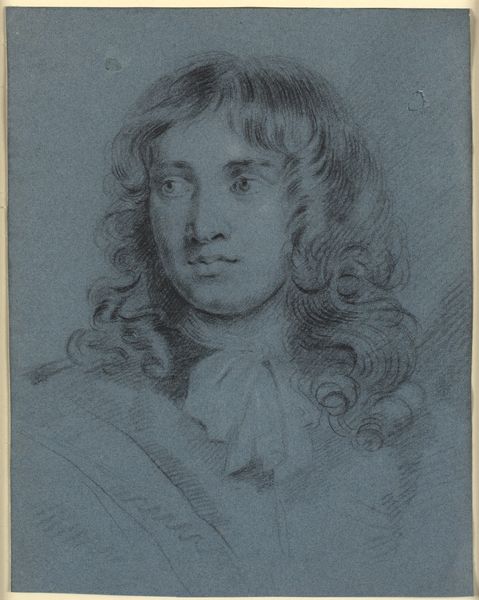
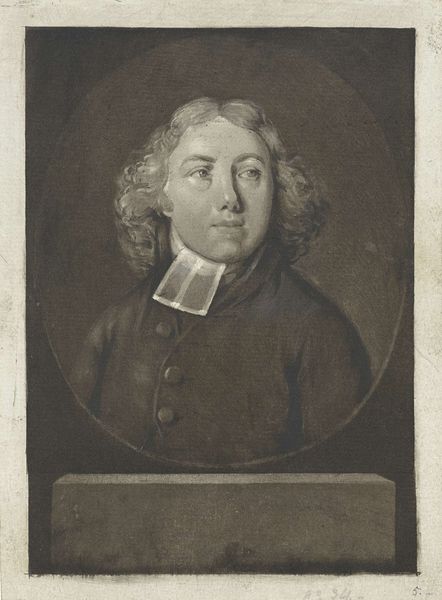
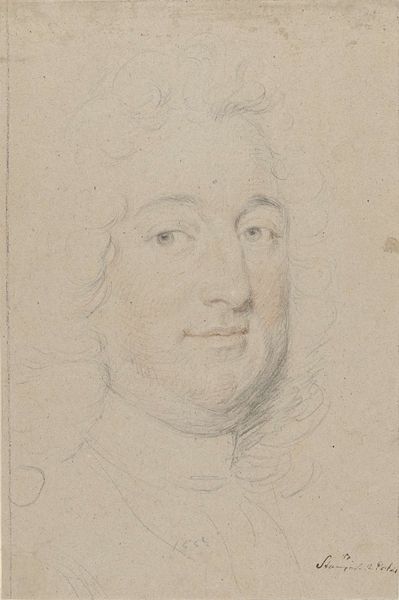
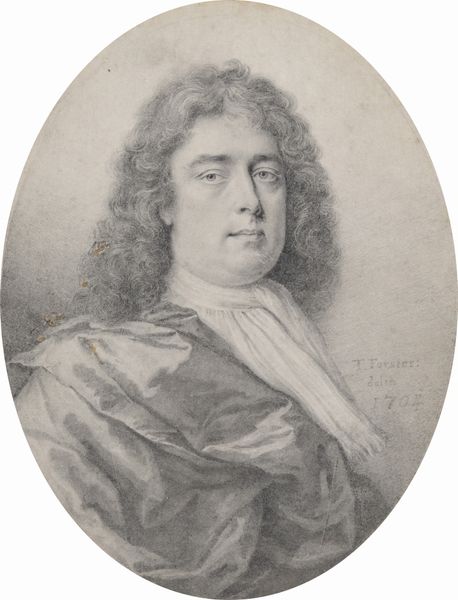
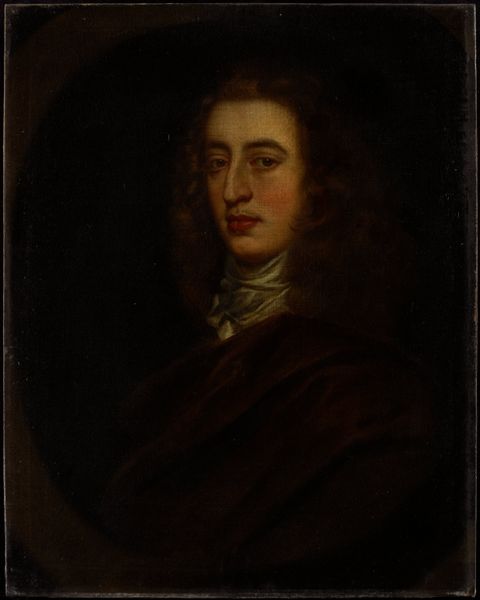
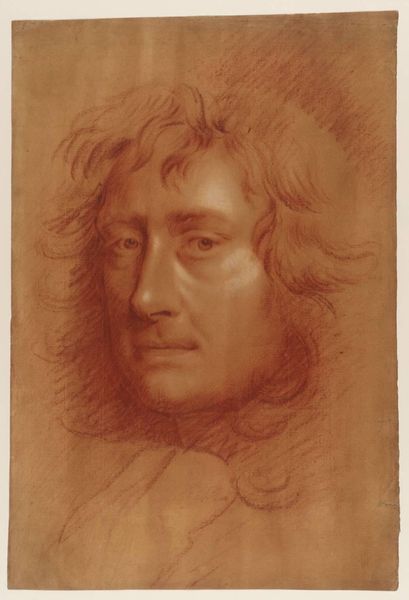
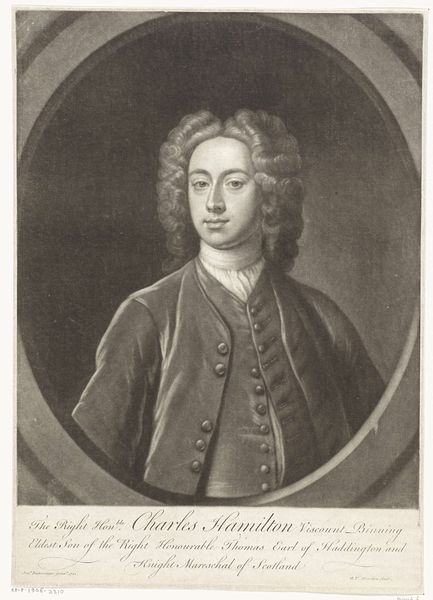
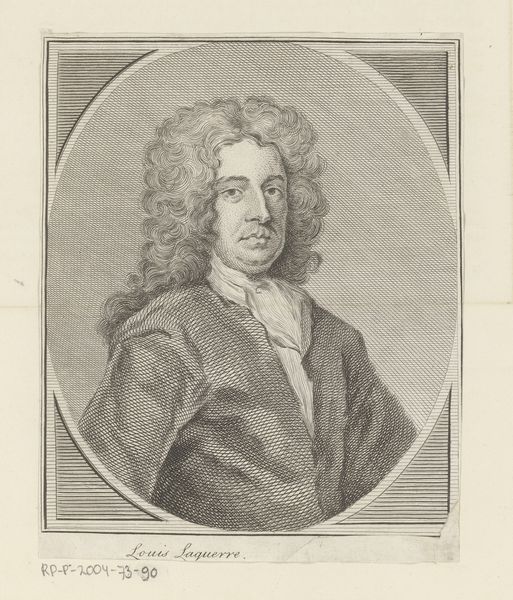
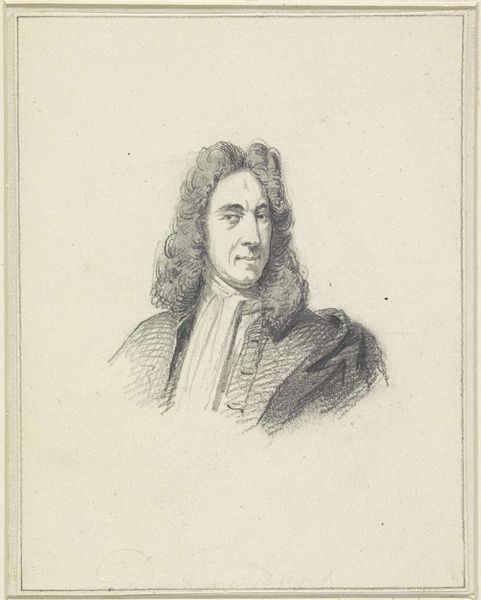
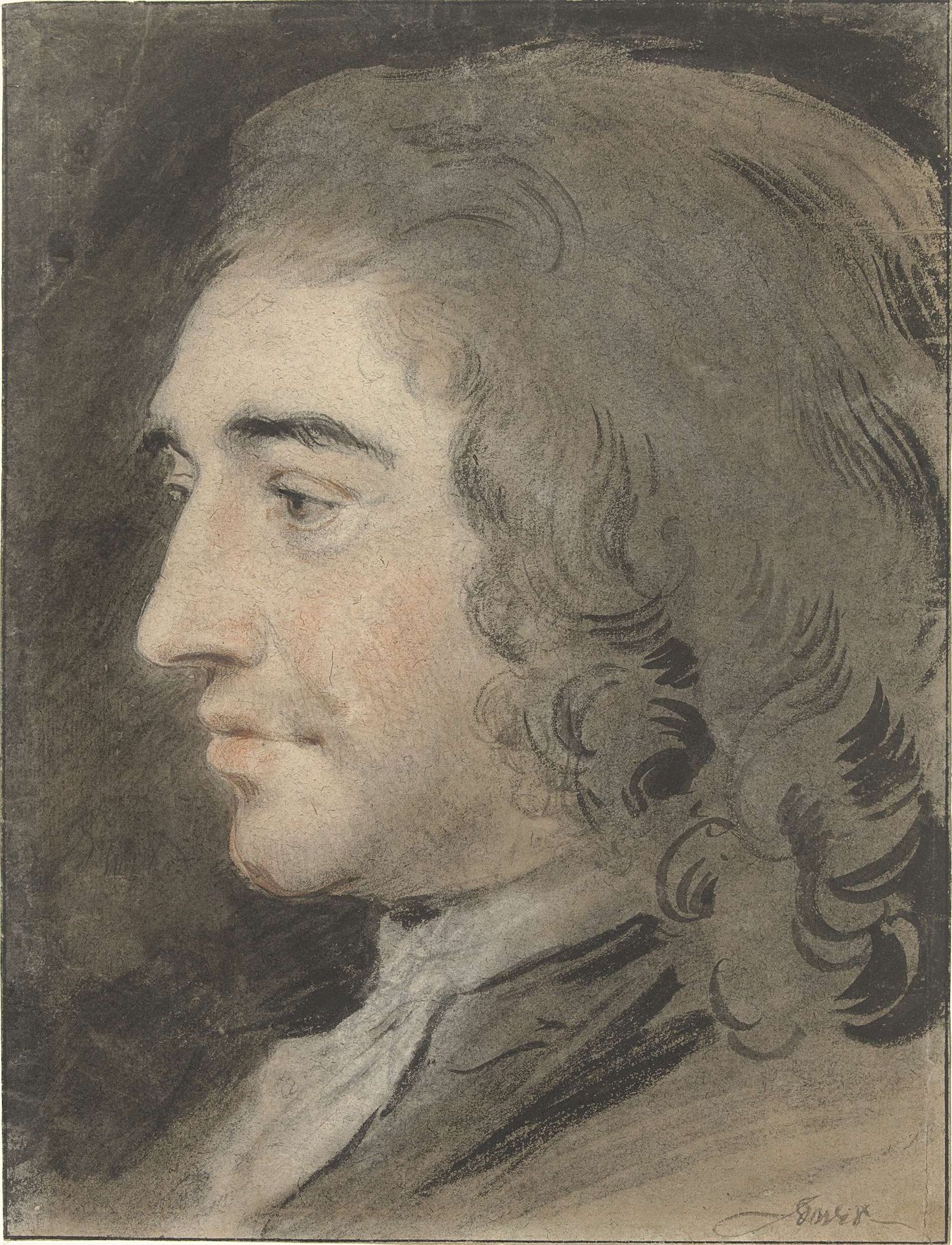
Jacob de Wit made this portrait of a man around the first half of the 18th century using chalk and graphite. The man is shown in profile, elegantly coiffed, and wearing a simple cravat. De Wit was a well-known Dutch Golden Age artist, famous for his illusionistic ceiling paintings, often found in churches and public buildings. This drawing, however, seems to portray someone from the upper middle classes, capturing the increasing wealth and the development of consumer culture in the Netherlands at that time. The elegance of the portrait and the man’s posture reflect the social ideals of the time. To understand this drawing better, it's useful to look at Dutch social history, including how class was represented through portraiture. By researching the fashion and social customs of the period, we can gain a deeper understanding of this artwork and its place in the cultural landscape of the time.

Artwork details
- Medium
- drawing, charcoal
- Dimensions
- height 313 mm, width 237 mm
- Copyright
- Rijks Museum: Open Domain
Tags
Comments
Share your thoughts
About this artwork
Jacob de Wit made this portrait of a man around the first half of the 18th century using chalk and graphite. The man is shown in profile, elegantly coiffed, and wearing a simple cravat. De Wit was a well-known Dutch Golden Age artist, famous for his illusionistic ceiling paintings, often found in churches and public buildings. This drawing, however, seems to portray someone from the upper middle classes, capturing the increasing wealth and the development of consumer culture in the Netherlands at that time. The elegance of the portrait and the man’s posture reflect the social ideals of the time. To understand this drawing better, it's useful to look at Dutch social history, including how class was represented through portraiture. By researching the fashion and social customs of the period, we can gain a deeper understanding of this artwork and its place in the cultural landscape of the time.
Comments
Share your thoughts