
Curatorial notes
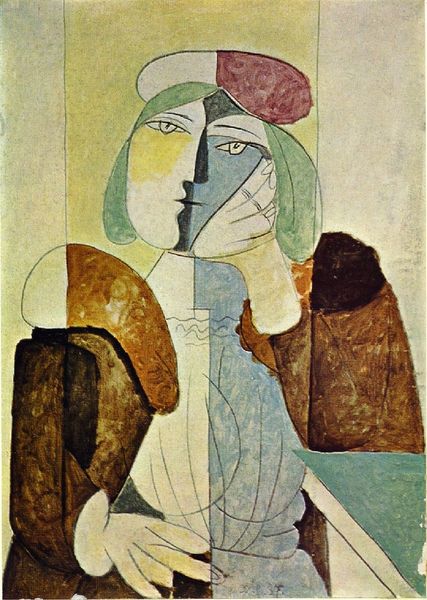
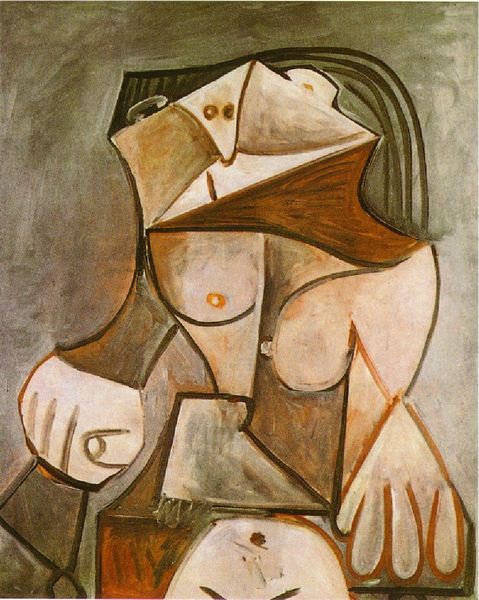
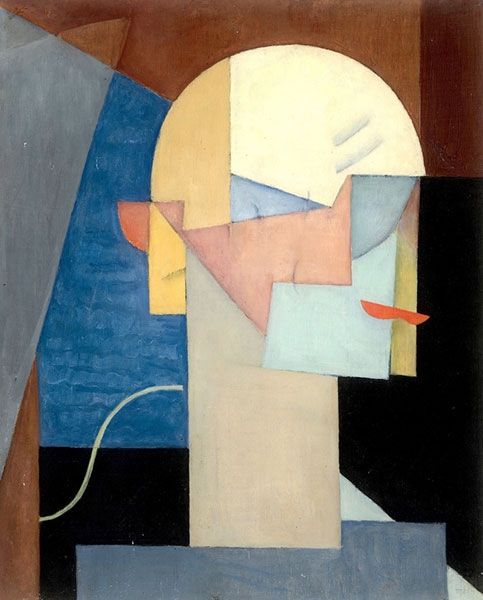
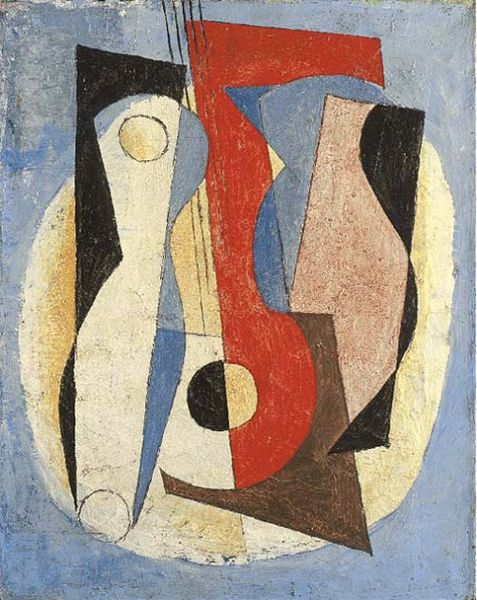
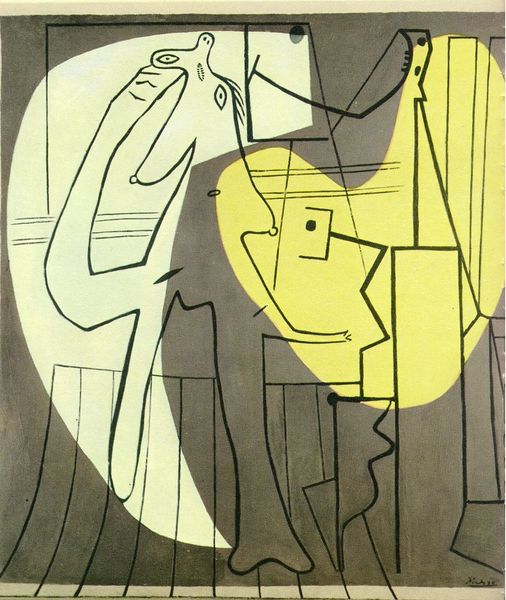
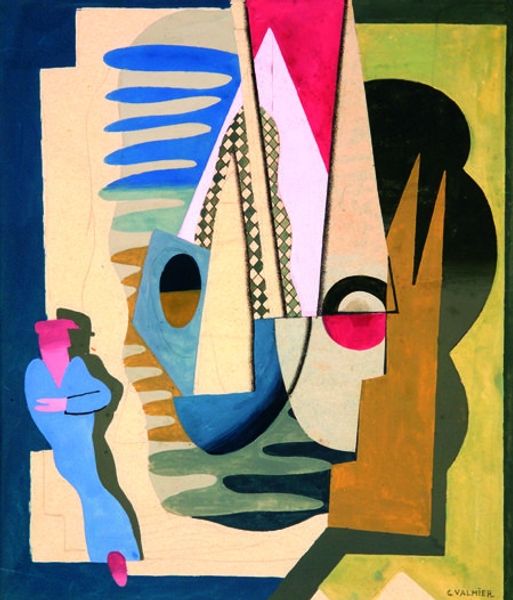
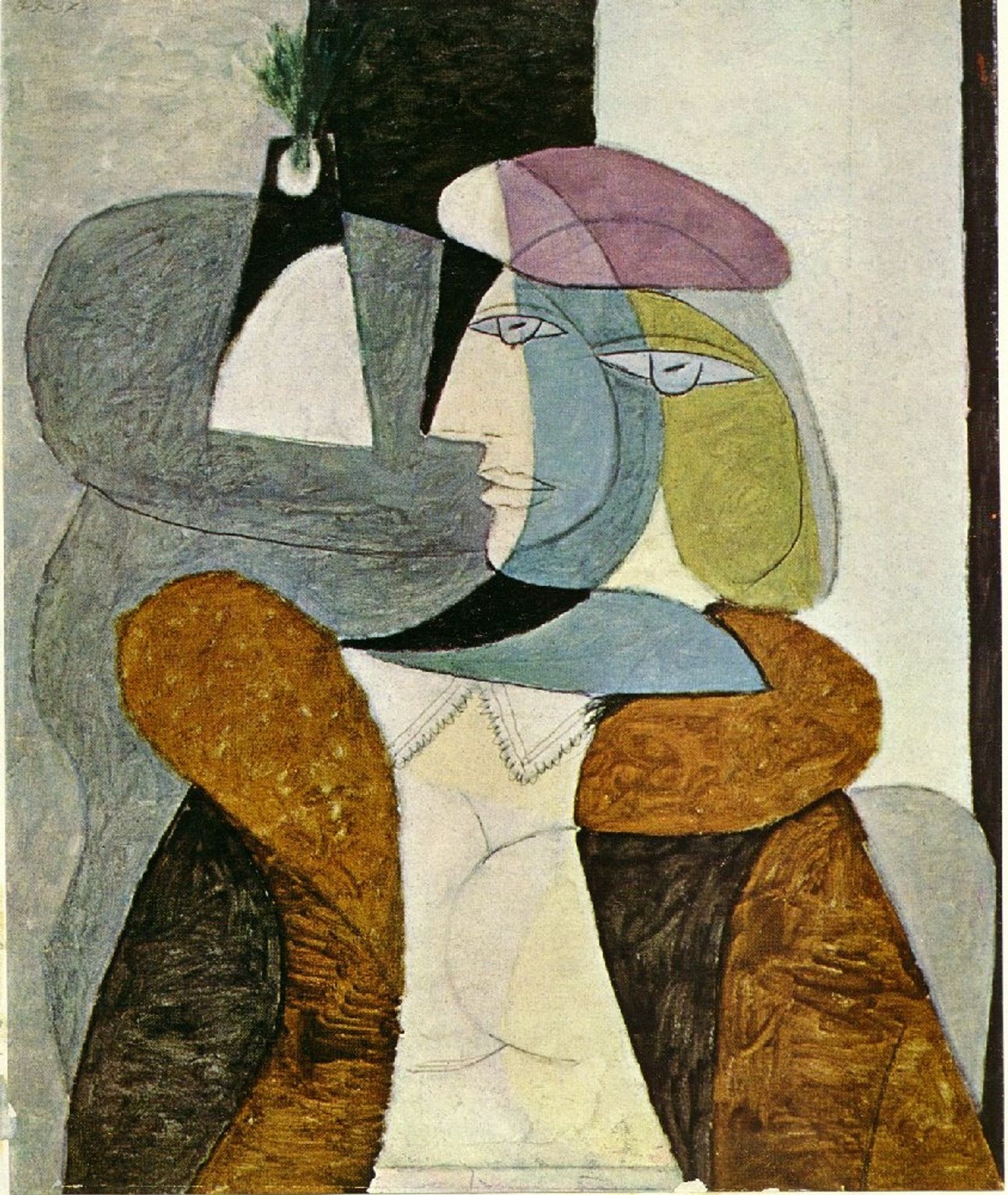
Editor: Here we have an untitled portrait by Pablo Picasso from 1937, created using oil paint. It feels… disjointed, but also sophisticated. How would you interpret this work? Curator: Immediately, I consider the conditions of its making. The fractured planes, the shifted perspective… how do these formal choices reflect the turbulent socio-political landscape of 1937? Picasso isn't simply representing a person, he’s deconstructing the very act of seeing, and thus knowing. What materials are informing these decisions? Editor: So, the kind of oil paint he uses, and how he applied it—does that tie into the socio-political context as well? Curator: Absolutely! The thick impasto in some areas and the sketch-like quality in others. Think about access, scarcity. Were certain pigments or materials more readily available or more costly? Did rationing impact the work? Editor: It’s easy to forget how physical these choices are, how constrained an artist could be by the availability of materials. Curator: Precisely. Even something as simple as canvas production can be affected by wartime economies. Now, what does this limitation then say about artistic production? Editor: I never really thought about it that way! I focused so much on just the composition. It is kind of daunting, though, thinking about needing to analyze that level of production. Curator: Indeed, and it is very possible that those external forces dictated the final piece as much as the artist's own internal processes did. Editor: I suppose viewing art is like a sort of material investigation. Looking at it and wondering how that changed the composition we see today. Thank you for opening up that angle for me. Curator: The pleasure is all mine. It’s vital to always ask what constitutes art and who gets to decide.