c. 1770
Slop Bowl

Worcester Royal Porcelain Company
@worcesterroyalporcelaincompany
The Art Institute of Chicago
The Art Institute of ChicagoListen to curator's interpretation
Curatorial notes
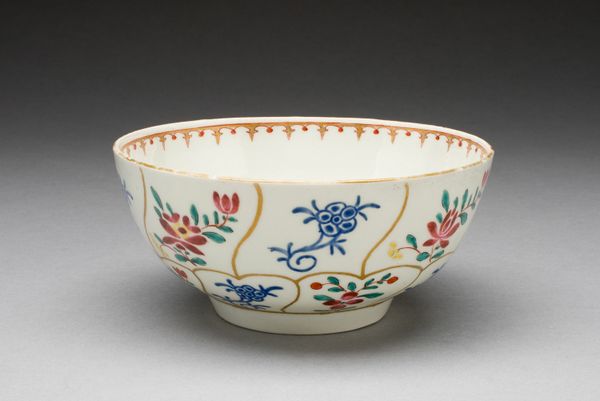
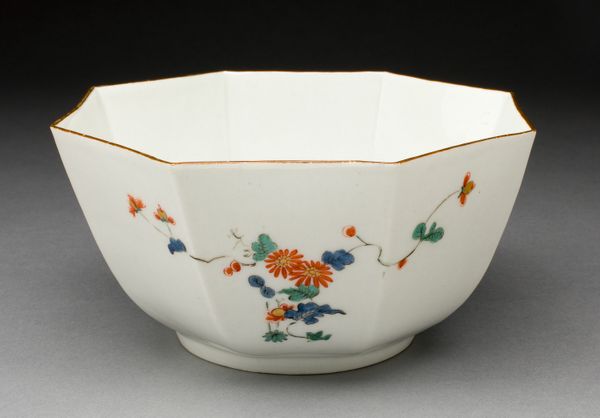
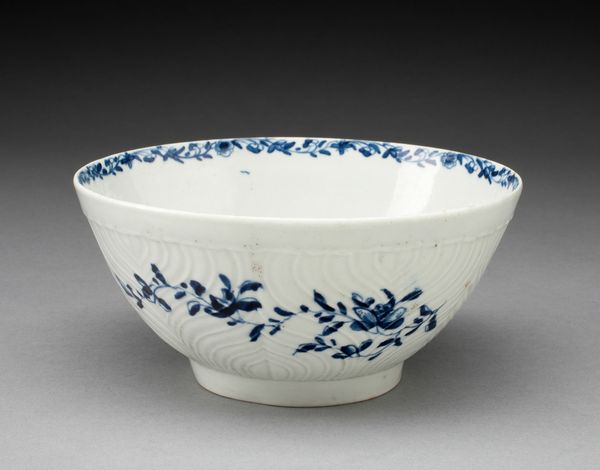
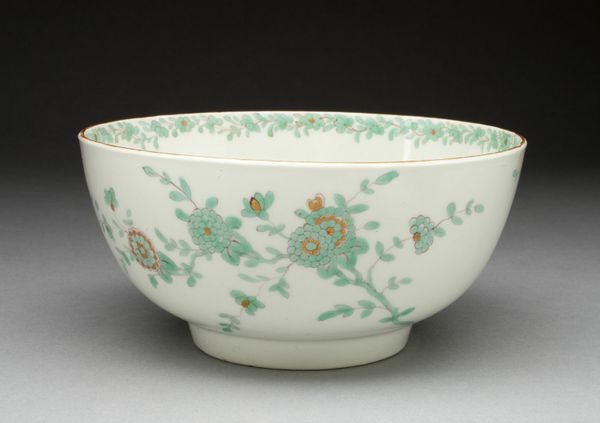
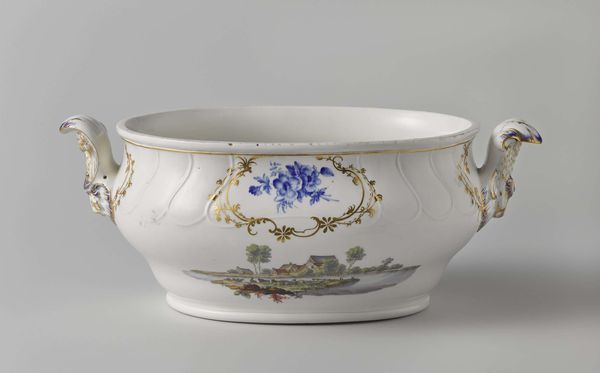
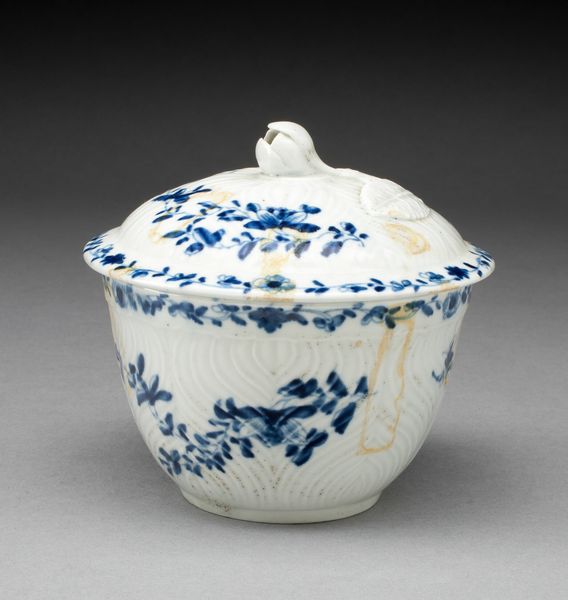
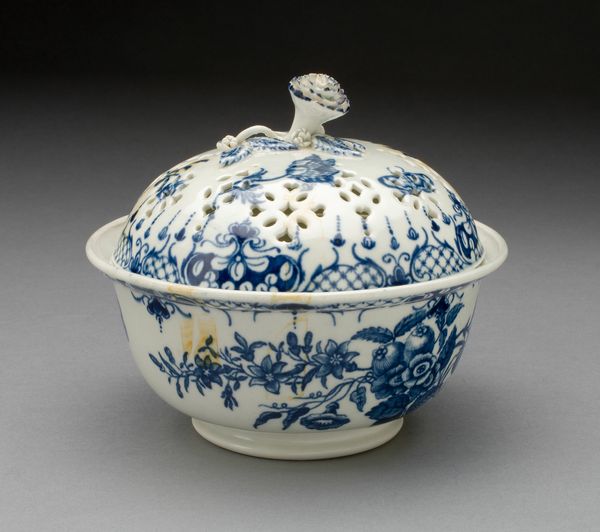
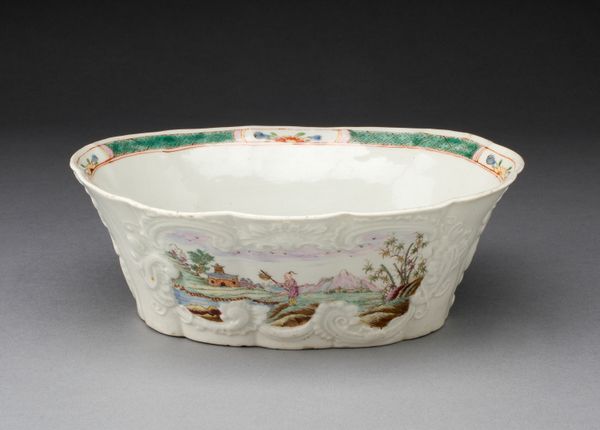
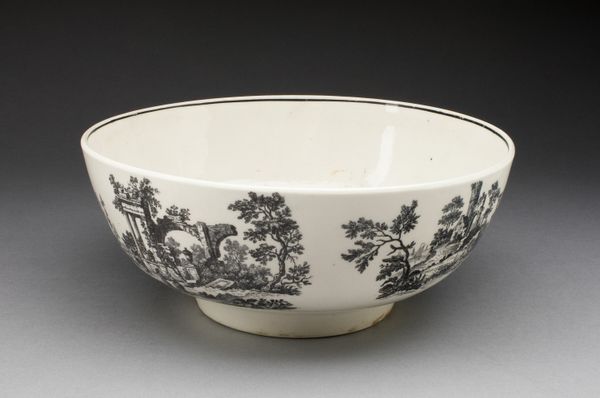
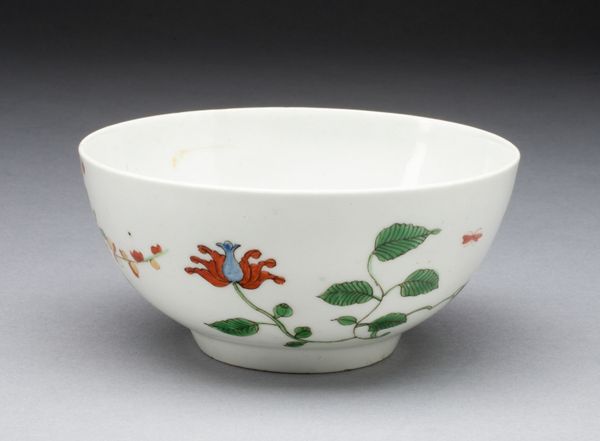
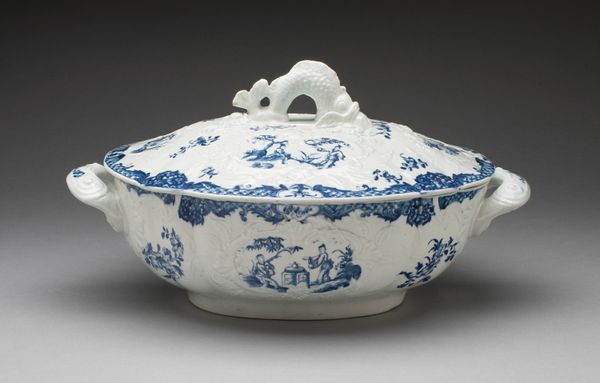
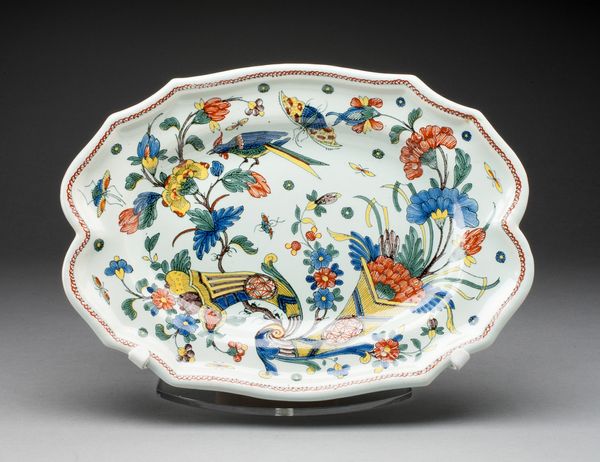
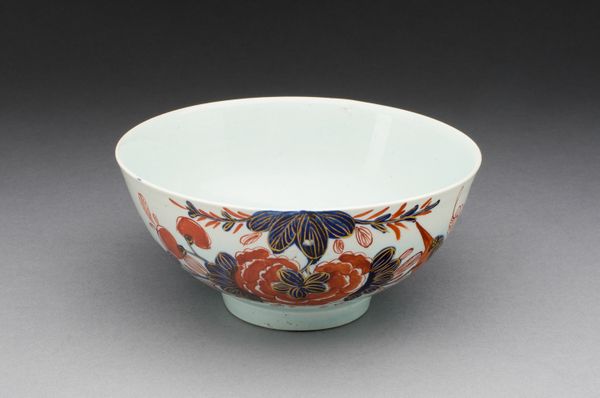
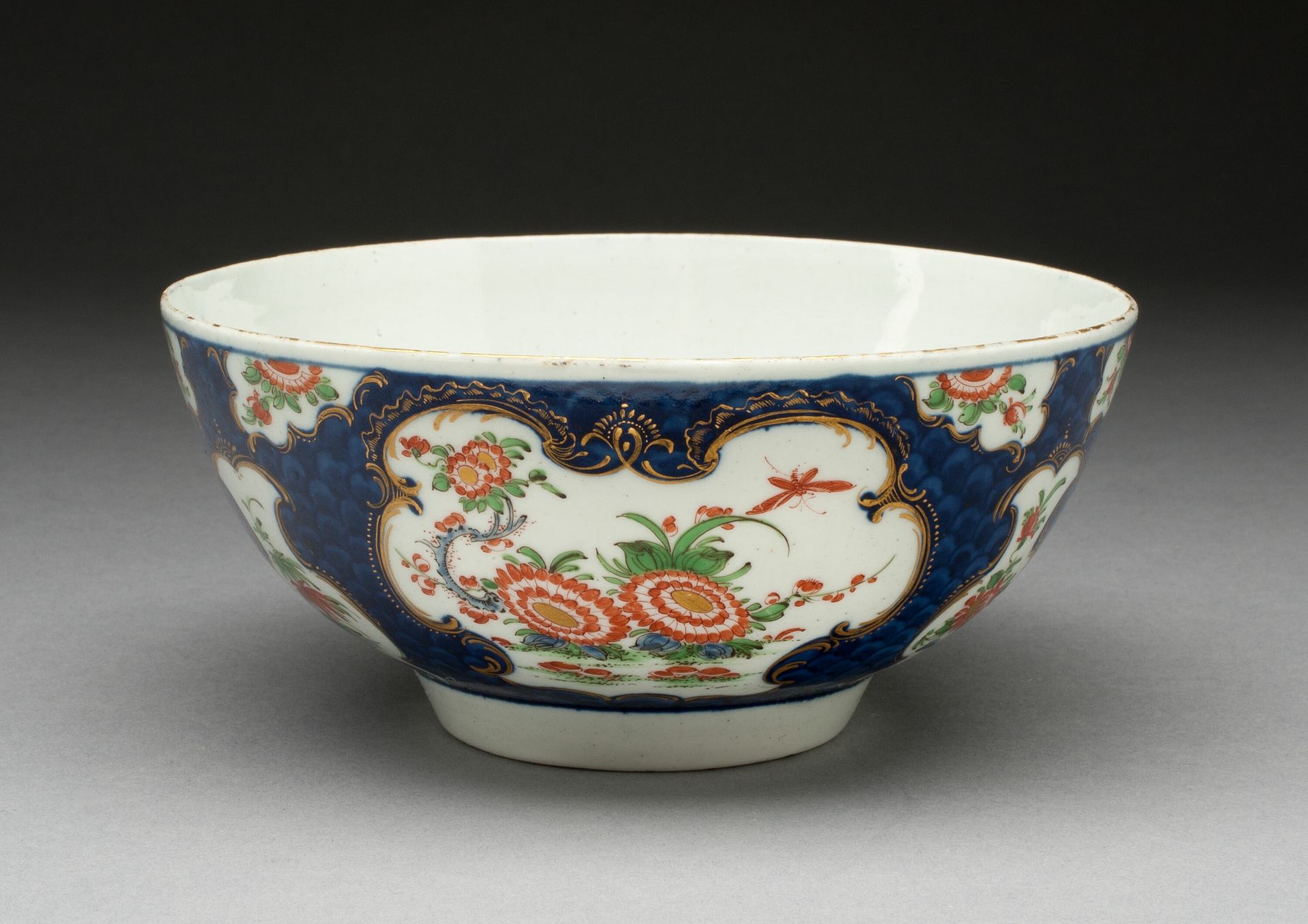
Here is a slop bowl made by the Worcester Royal Porcelain Company. Though the date of its making is unknown, it tells a rich story about trade, class, and global connections in the 18th and 19th centuries. These bowls were used to discard tea leaves and dregs during tea ceremonies; their existence speaks to the rituals of tea drinking that became fashionable amongst the upper classes. The bowl's porcelain material and its Chinoiserie-style decoration –notice the stylized flowers and landscapes–reflect the influence of Asian aesthetics on European tastes. But this was not a one-way exchange; European traders and companies like the East India Company, played a crucial role in bringing porcelain and tea to Europe, often through exploitative colonial practices. This bowl, therefore, represents a complex interplay of cultural exchange, economic power, and colonial history. When you look at its delicate design, consider the global forces that shaped its creation and use.