1755
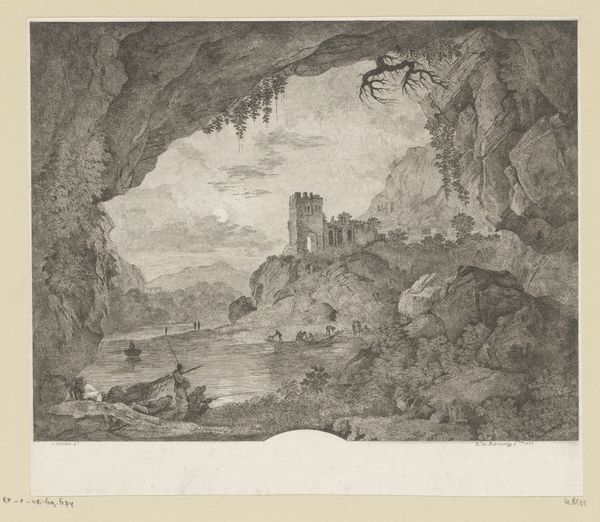
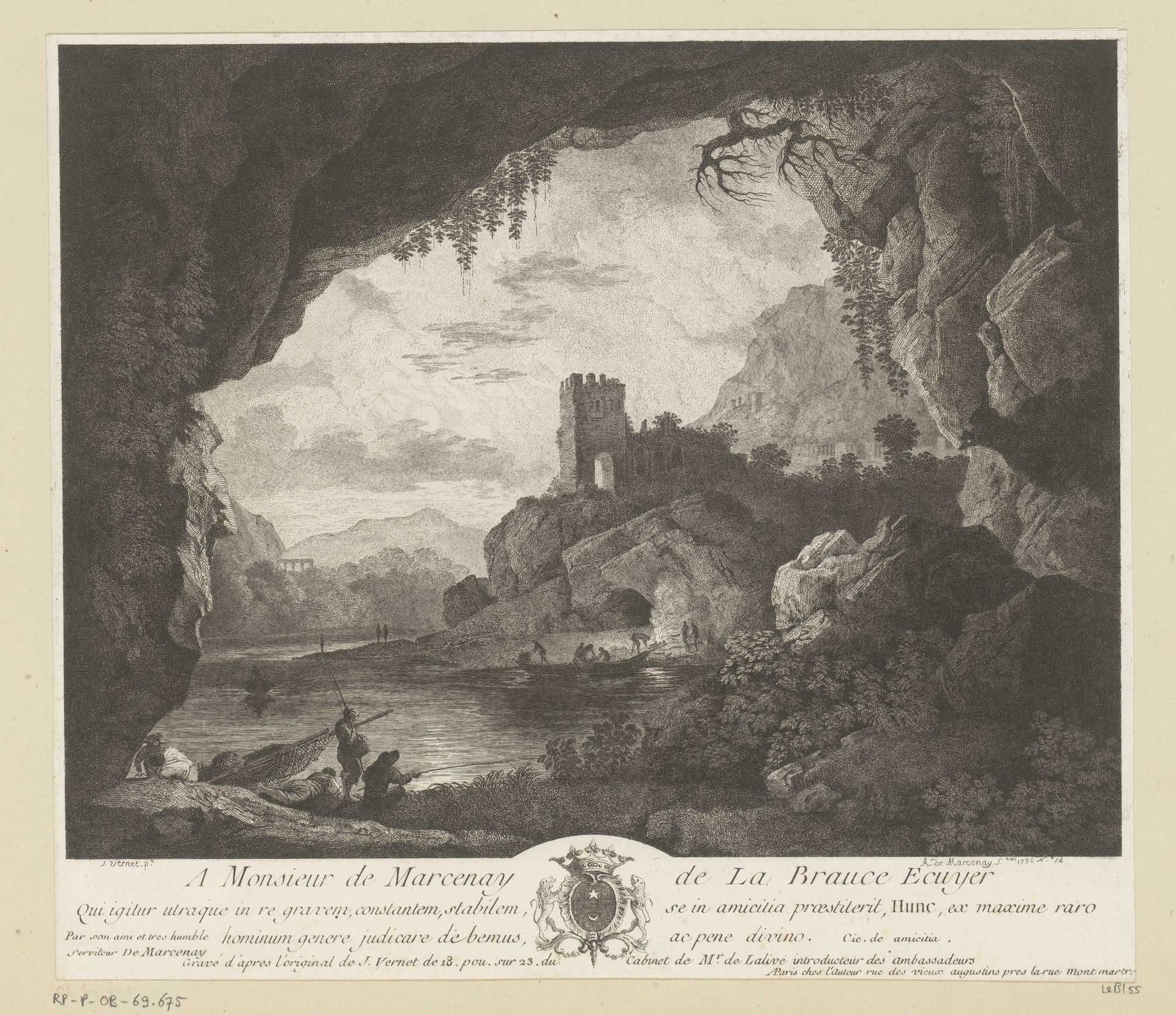
Rivierlandschap bij maanlicht, gezien vanuit een grot

Listen to curator's interpretation
Curatorial notes
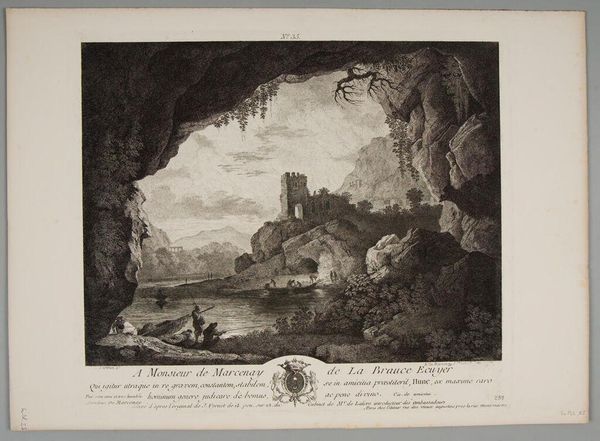
Antoine de Marcenay de Ghuy created this river landscape by moonlight, seen from a cave, using etching. It represents a scene of rural leisure, but let’s consider how the image creates meaning through its visual codes and historical associations. Made in France, Marcenay de Ghuy’s work reflects the 18th-century French elite's fascination with the pastoral. This wasn't just about pretty scenery, but also a commentary on social structures. The ruined castle in the background, for instance, could symbolize the decline of feudal power, while the fishermen in the foreground hint at a rising merchant class. The cave offers a perspective, inviting viewers to consider their place within this changing society. Art historians can use estate records and other texts to shed light on these social shifts, allowing us to appreciate how artworks comment on the social structures of their own time.