About this artwork
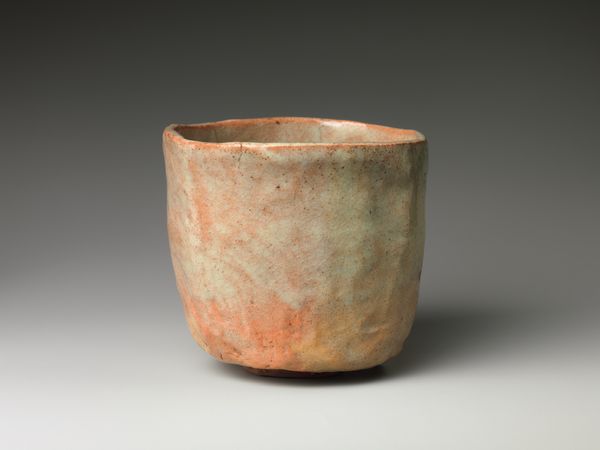
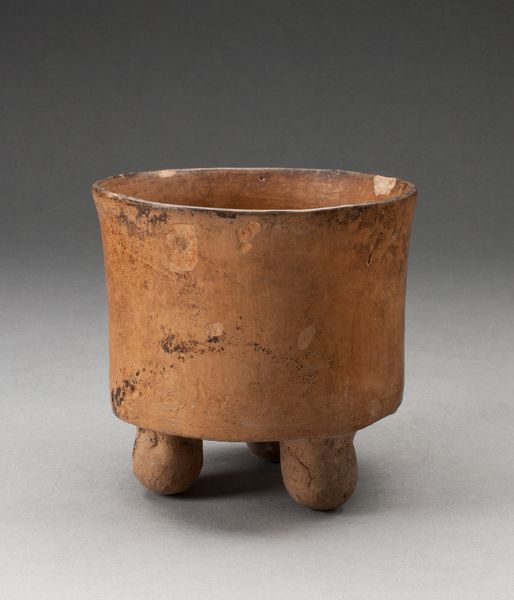
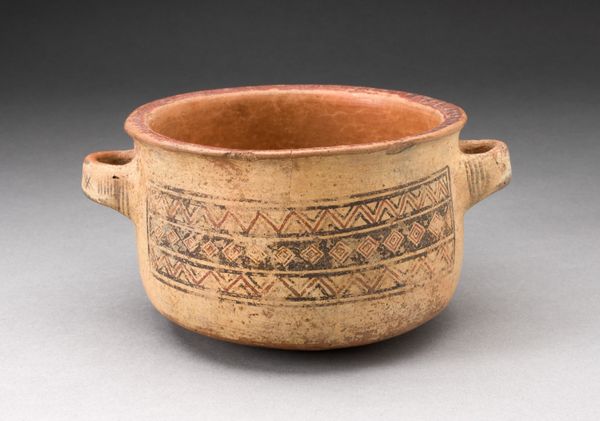
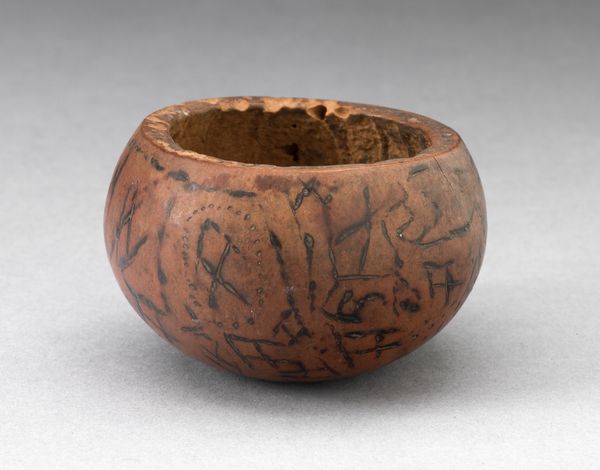
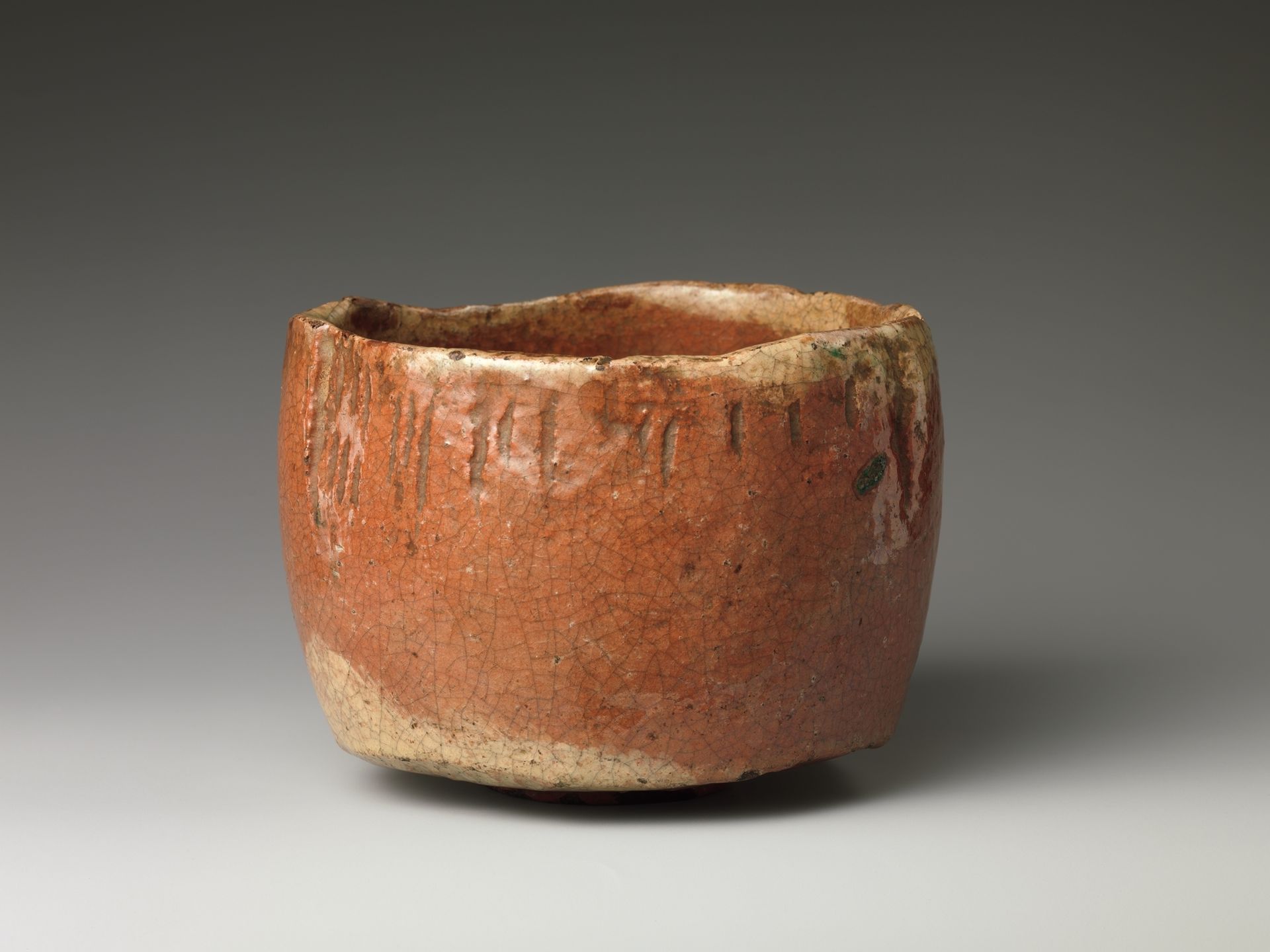
This tea bowl was crafted by Hon'ami Kōetsu in the 17th century, a period steeped in the aesthetic of *wabi-sabi*, celebrating the beauty of imperfection. The bowl's rough texture and uneven glaze represent the Zen values of simplicity, spontaneity, and the acceptance of transience. Observe the bowl’s subtle cracks and fissures, a visual echo of life's inevitable fractures. This motif, appearing across cultures from ancient Greek pottery to the cracked surfaces in Dutch still life paintings, embodies the pathos of existence. Think of the Japanese art of *kintsugi*, where broken pottery is mended with gold, transforming breakage into a testament of resilience. These are not merely objects, but symbols of humanity's dance with time, decay, and renewal, engaging us on a deeply emotional level. Such a humble vessel, therefore, becomes a profound meditation on the passage of time. Its enduring power lies in its ability to resonate across epochs, reminding us that beauty can indeed be found in the imperfect and the impermanent.
Teabowl
17th century


Artwork details
- Medium
- ceramic, earthenware
- Dimensions
- H. 3 3/4 in. (9.5 cm); Diam. 4 7/8 in. (12.4 cm)
- Location
- Metropolitan Museum of Art, New York, NY
- Copyright
- Public Domain
Tags
Comments
Share your thoughts
About this artwork
This tea bowl was crafted by Hon'ami Kōetsu in the 17th century, a period steeped in the aesthetic of *wabi-sabi*, celebrating the beauty of imperfection. The bowl's rough texture and uneven glaze represent the Zen values of simplicity, spontaneity, and the acceptance of transience. Observe the bowl’s subtle cracks and fissures, a visual echo of life's inevitable fractures. This motif, appearing across cultures from ancient Greek pottery to the cracked surfaces in Dutch still life paintings, embodies the pathos of existence. Think of the Japanese art of *kintsugi*, where broken pottery is mended with gold, transforming breakage into a testament of resilience. These are not merely objects, but symbols of humanity's dance with time, decay, and renewal, engaging us on a deeply emotional level. Such a humble vessel, therefore, becomes a profound meditation on the passage of time. Its enduring power lies in its ability to resonate across epochs, reminding us that beauty can indeed be found in the imperfect and the impermanent.
Comments
Share your thoughts