About this artwork
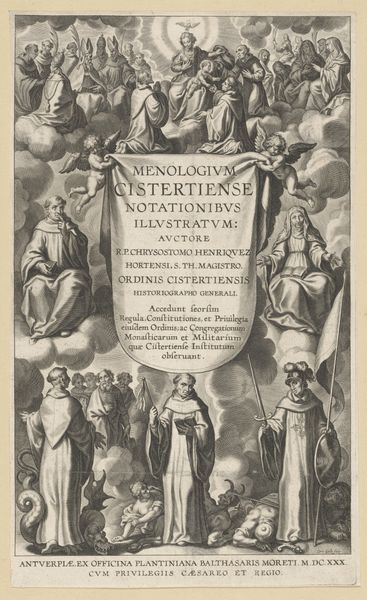
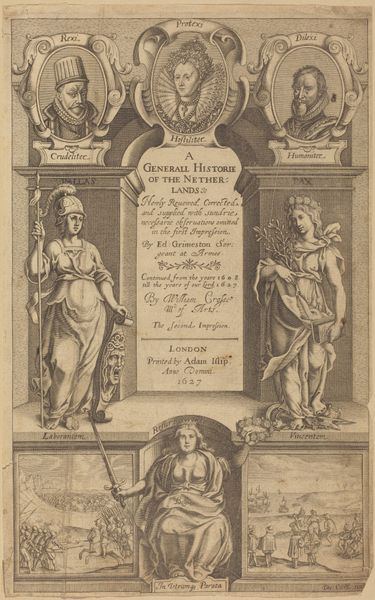
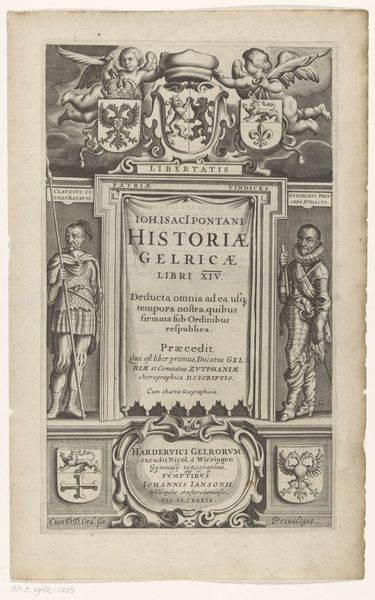
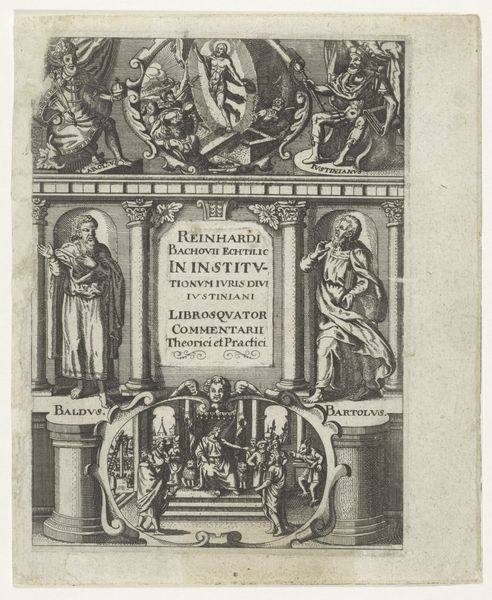
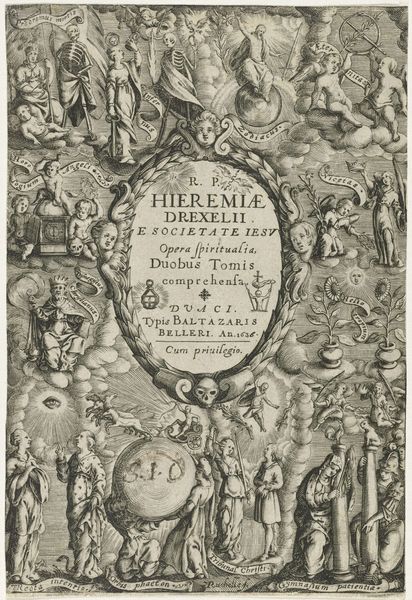
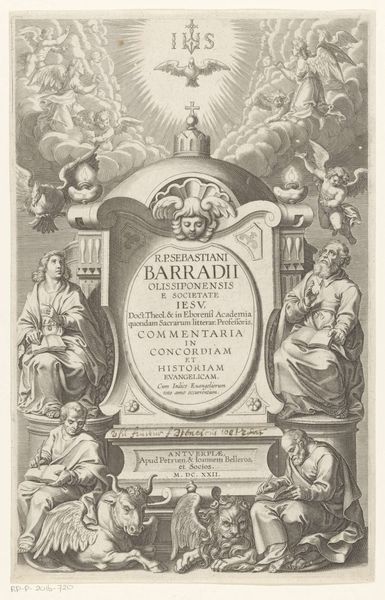
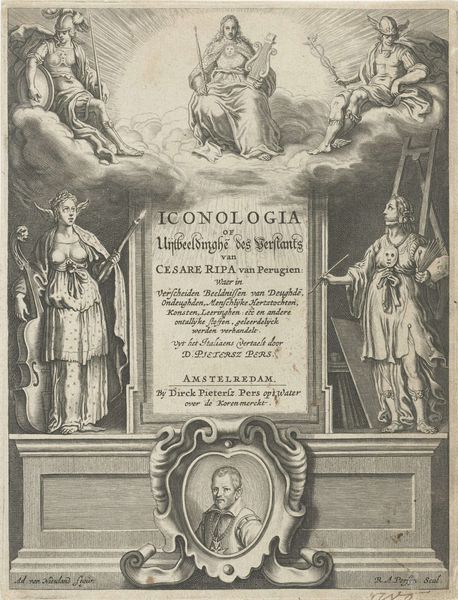
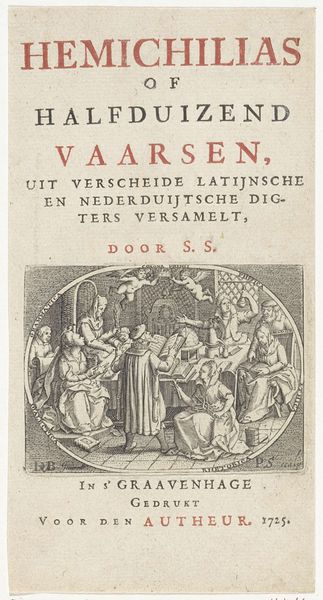
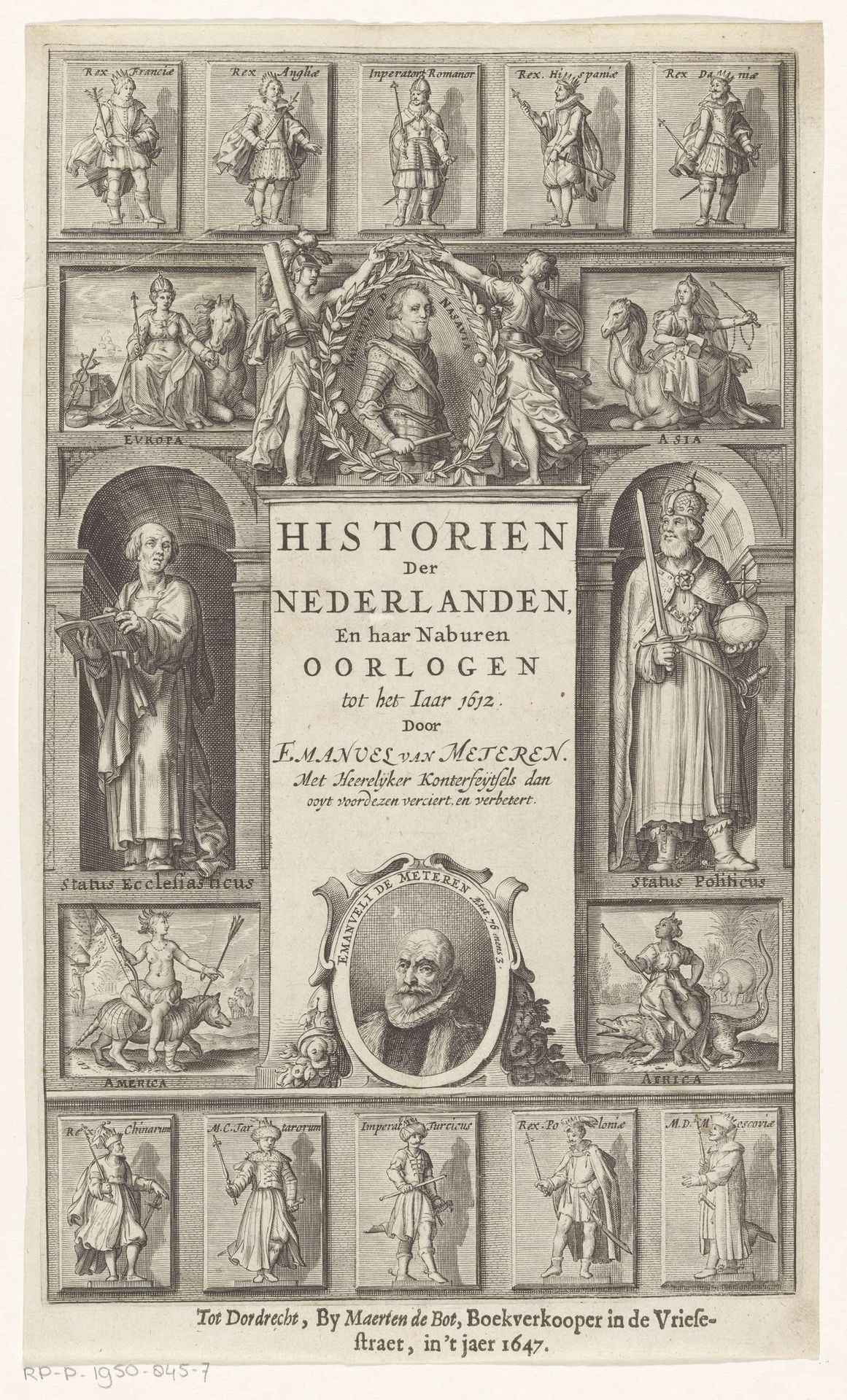
This print, “Allegorische voorstelling op de vorstendommen van de wereld,” was made in 1647 by Adriaen Matham. It’s an engraving, a process involving meticulous carving into a metal plate, which is then inked and pressed onto paper. The choice of engraving as a medium is significant. It allowed for the relatively quick and easy reproduction of images, making them accessible to a wider audience. The sharp, precise lines of the engraving lend themselves well to the detailed depiction of allegorical figures, costumes, and architectural elements. Consider the labor involved. An engraver would spend countless hours meticulously cutting lines into the metal plate. This act of repetitive, skilled labor is directly linked to the rise of print culture and the increasing accessibility of information in the 17th century. The print, once made, could be sold and distributed widely, thus playing a role in shaping public opinion and cultural values. By understanding the process and social context of this engraving, we can appreciate its full significance.
Allegorische voorstelling op de vorstendommen van de wereld
1647

Adriaen Matham
1599 - 1660Location
RijksmuseumArtwork details
- Medium
- print, engraving
- Dimensions
- height 298 mm, width 181 mm, height 317 mm, width 190 mm
- Location
- Rijksmuseum
- Copyright
- Rijks Museum: Open Domain
Tags
allegory
baroque
pen illustration
old engraving style
figuration
history-painting
engraving
Comments
Be the first to share your thoughts about this work.
About this artwork
This print, “Allegorische voorstelling op de vorstendommen van de wereld,” was made in 1647 by Adriaen Matham. It’s an engraving, a process involving meticulous carving into a metal plate, which is then inked and pressed onto paper. The choice of engraving as a medium is significant. It allowed for the relatively quick and easy reproduction of images, making them accessible to a wider audience. The sharp, precise lines of the engraving lend themselves well to the detailed depiction of allegorical figures, costumes, and architectural elements. Consider the labor involved. An engraver would spend countless hours meticulously cutting lines into the metal plate. This act of repetitive, skilled labor is directly linked to the rise of print culture and the increasing accessibility of information in the 17th century. The print, once made, could be sold and distributed widely, thus playing a role in shaping public opinion and cultural values. By understanding the process and social context of this engraving, we can appreciate its full significance.
Comments
Be the first to share your thoughts about this work.