
Curatorial notes
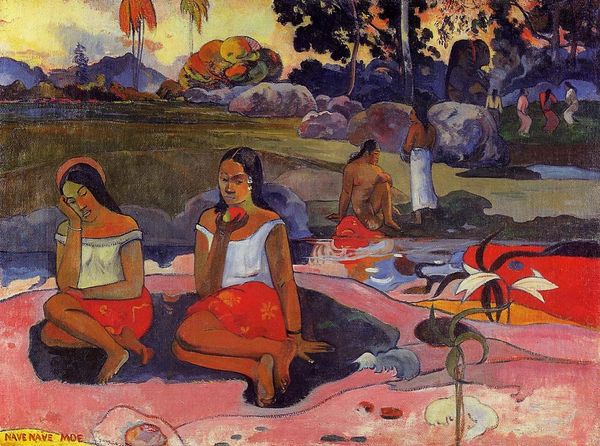
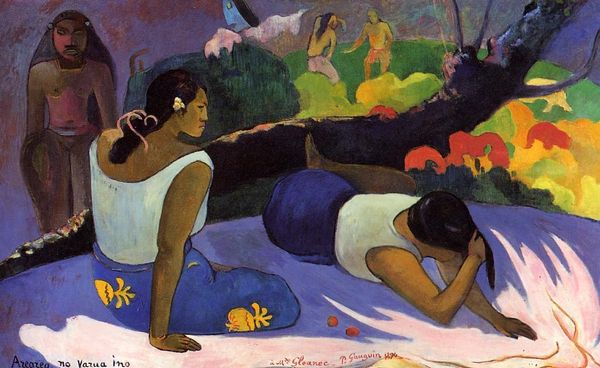
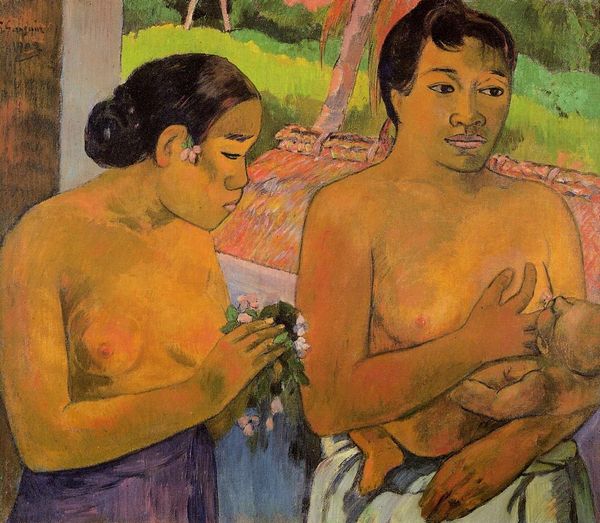
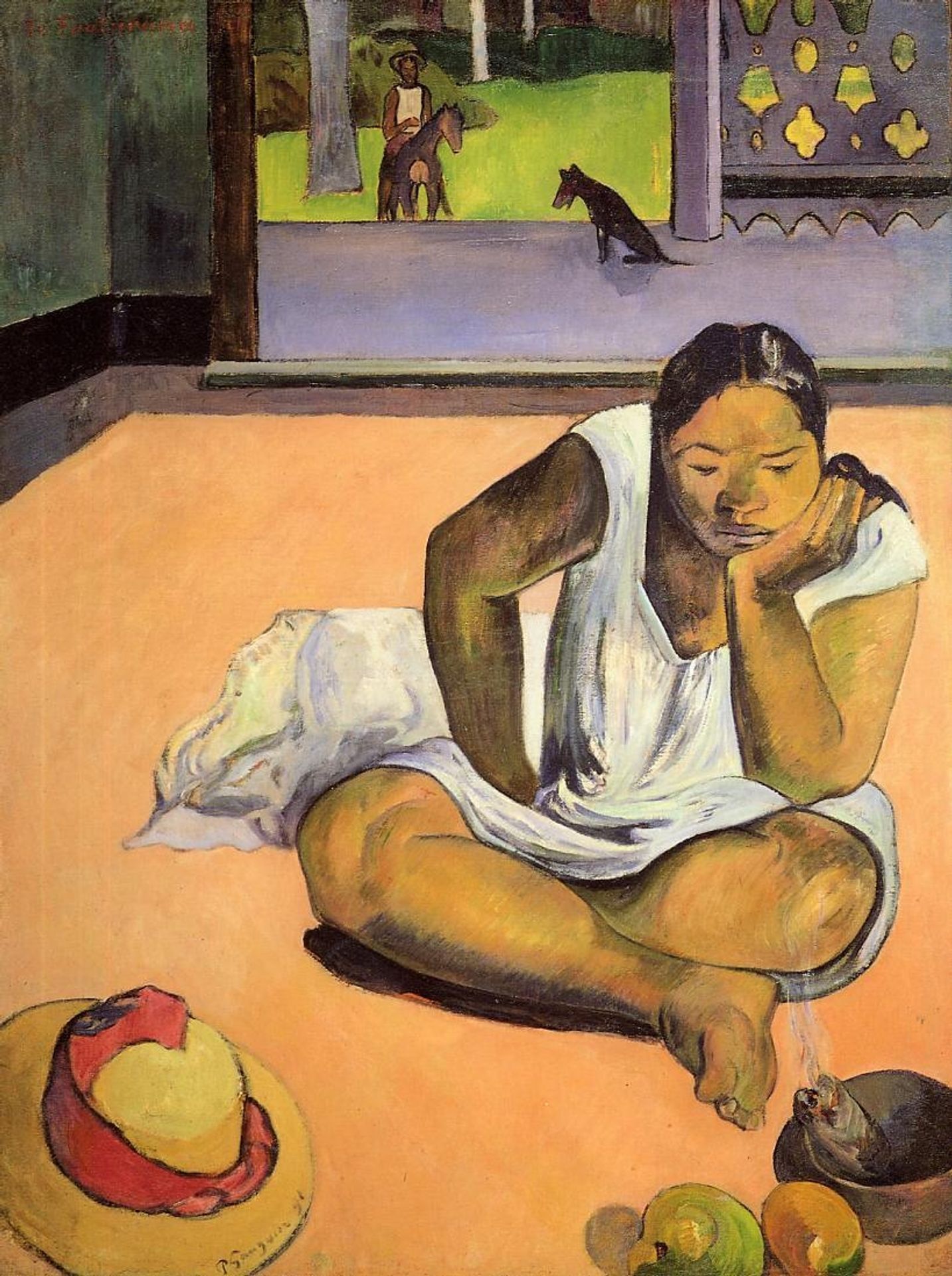
Paul Gauguin painted "Brooding Woman," in the late 19th century, capturing a moment of quiet reflection. Gauguin, like many artists of his time, was deeply influenced by the colonial narratives that romanticized non-Western cultures. In "Brooding Woman," we see a Tahitian woman lost in thought, a pose that seems to invite contemplation, yet it also risks reducing her to an exotic figure. The painting exists within a complex history of cross-cultural encounters, reflecting both the allure and the problematic power dynamics inherent in the Western gaze upon non-Western subjects. Gauguin sought an escape from European conventions, and his works often depicted what he perceived as a simpler, more authentic existence. Yet, this quest was inevitably filtered through his own cultural lens. The artwork is a reminder of the complicated interplay between personal yearning, artistic expression, and the broader narratives of cultural exchange and power.