About this artwork
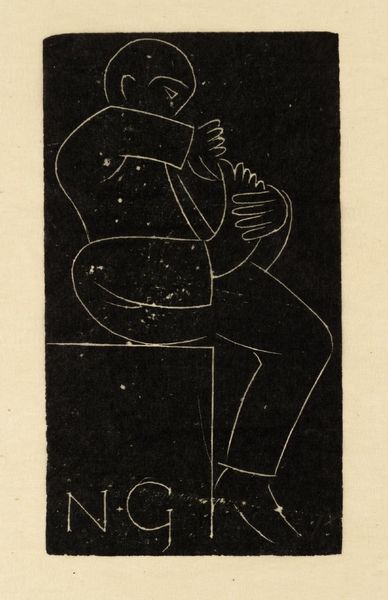
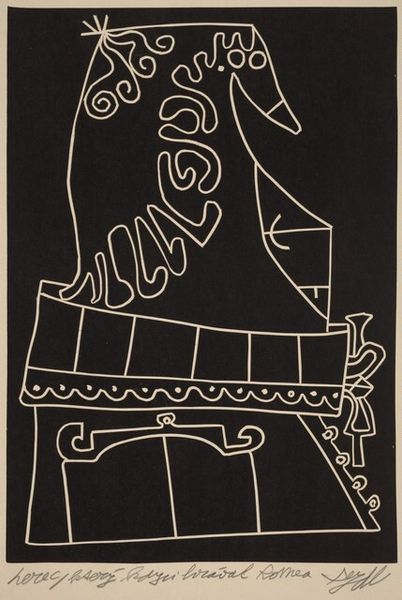
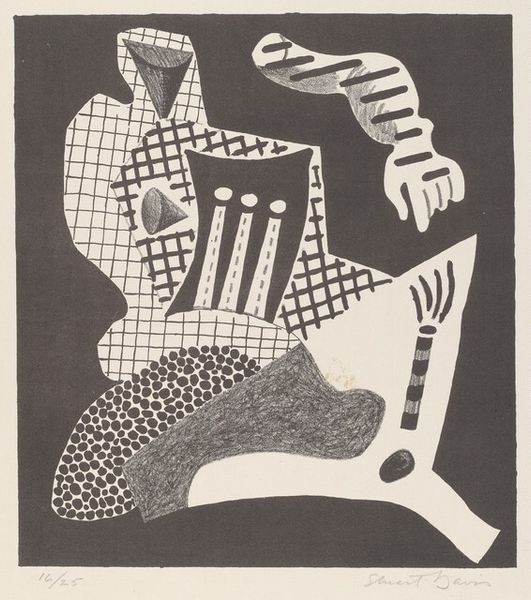
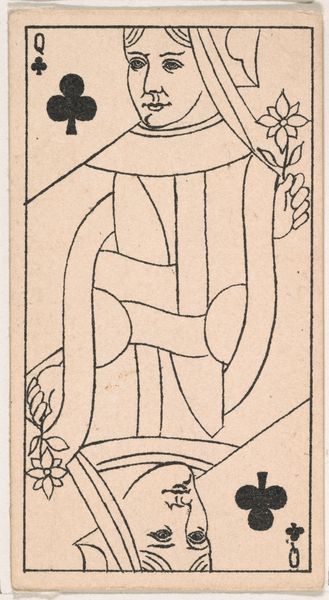
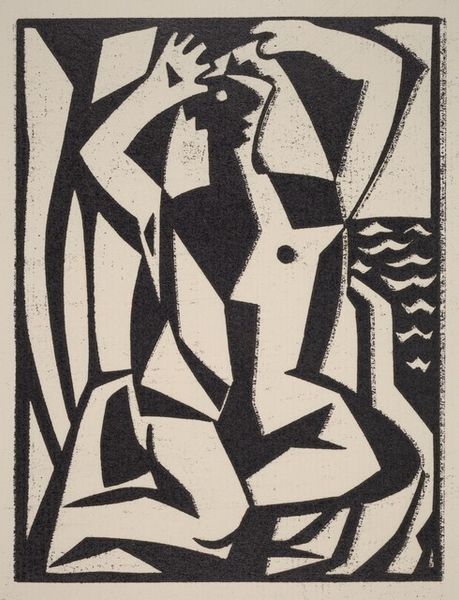
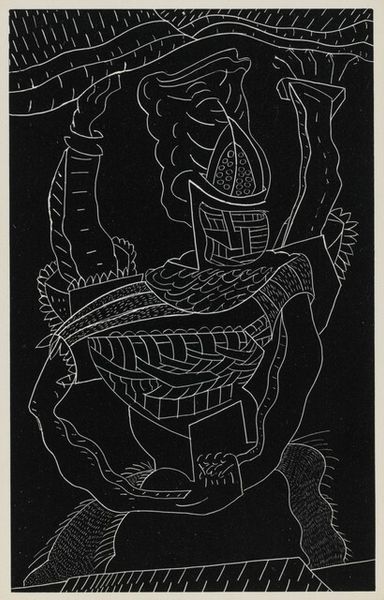
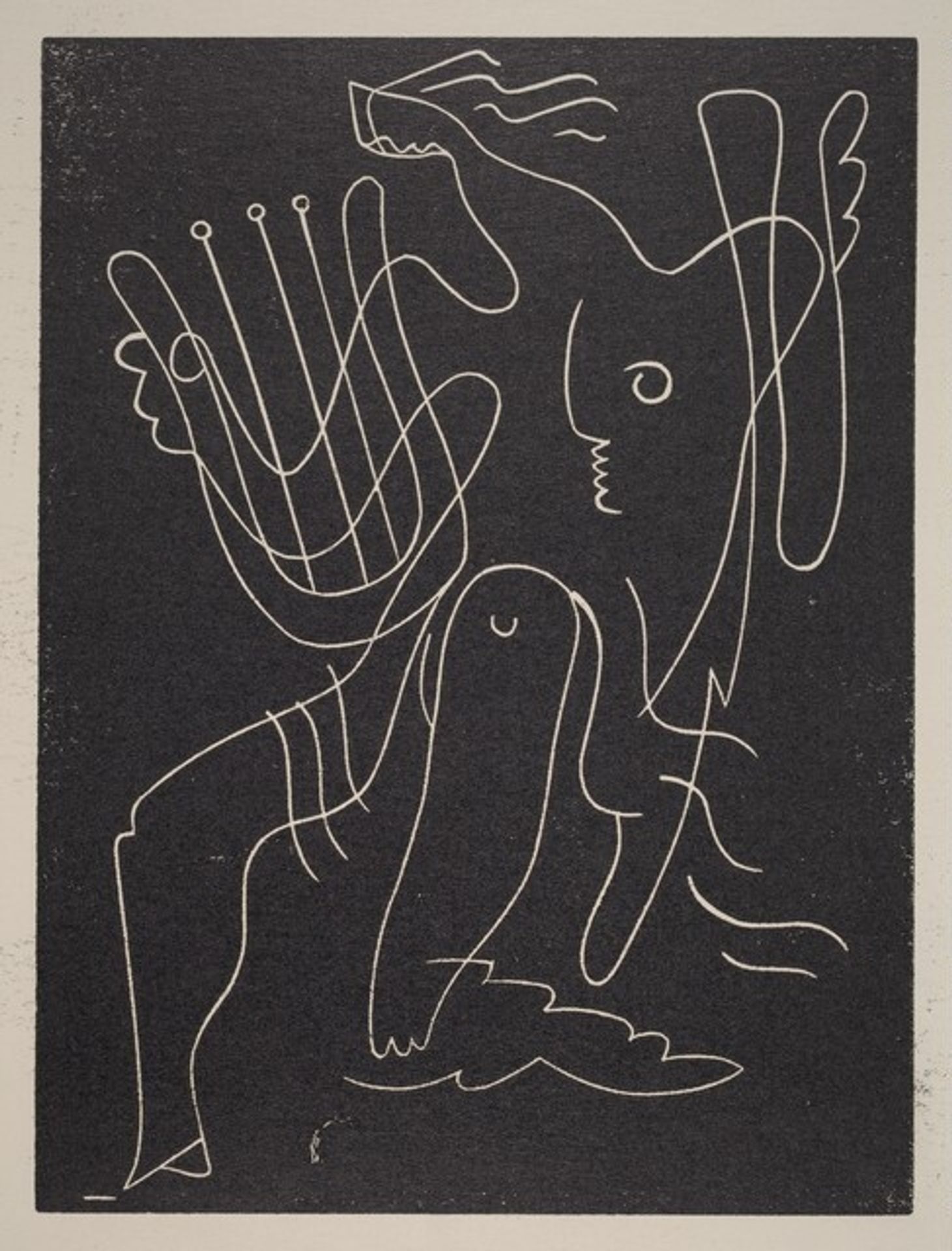
Carl Robert Holty made this print of a woman with a lyre sometime in the mid-twentieth century. The stark black and white is punctuated by these lyrical lines, which don’t quite describe the figure but evoke her. The image is built from these very economical gestures, as if Holty is trying to find the most simple, but also the most graceful way to capture her essence. Look at the lines that suggest her fingers and how they interact with the strings of the lyre. It's like a puzzle – a game to see how much information can be conveyed with so little. This work reminds me of other artists like Matisse who used line to describe form, or even Picasso in his cubist portraits, where a face becomes a series of planes and angles. But Holty, while working in a similar mode, adds his own voice to the conversation. It’s all about suggestion, and trusting the viewer to complete the picture.
Untitled (Abstraction: Woman With Lyre)
1937


Artwork details
- Dimensions
- image: 205 x 152 mm sheet: 292 x 237 mm
- Copyright
- National Gallery of Art: CC0 1.0
Comments
Share your thoughts
About this artwork
Carl Robert Holty made this print of a woman with a lyre sometime in the mid-twentieth century. The stark black and white is punctuated by these lyrical lines, which don’t quite describe the figure but evoke her. The image is built from these very economical gestures, as if Holty is trying to find the most simple, but also the most graceful way to capture her essence. Look at the lines that suggest her fingers and how they interact with the strings of the lyre. It's like a puzzle – a game to see how much information can be conveyed with so little. This work reminds me of other artists like Matisse who used line to describe form, or even Picasso in his cubist portraits, where a face becomes a series of planes and angles. But Holty, while working in a similar mode, adds his own voice to the conversation. It’s all about suggestion, and trusting the viewer to complete the picture.
Comments
Share your thoughts