1917
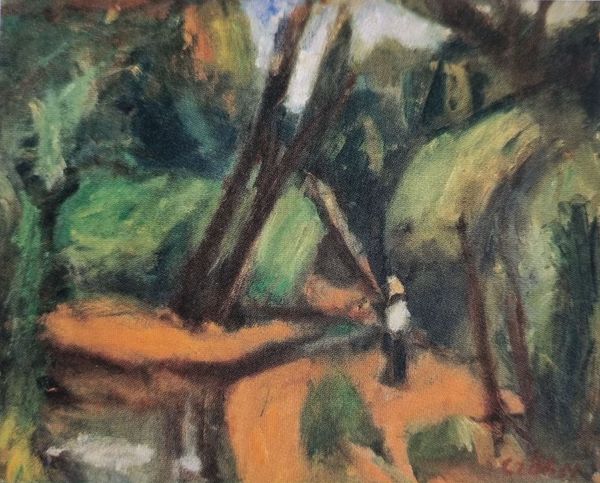
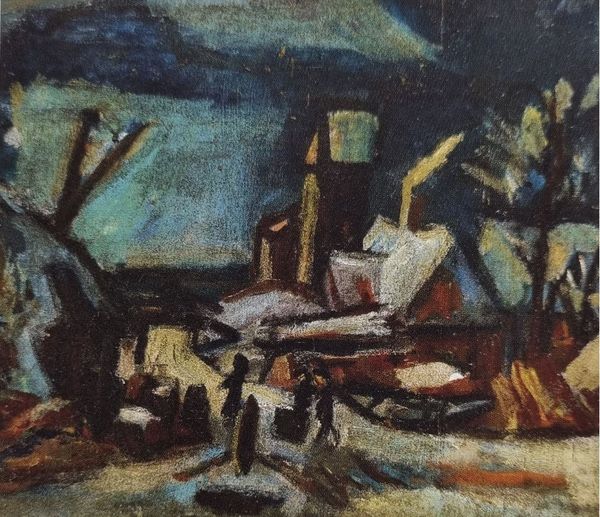
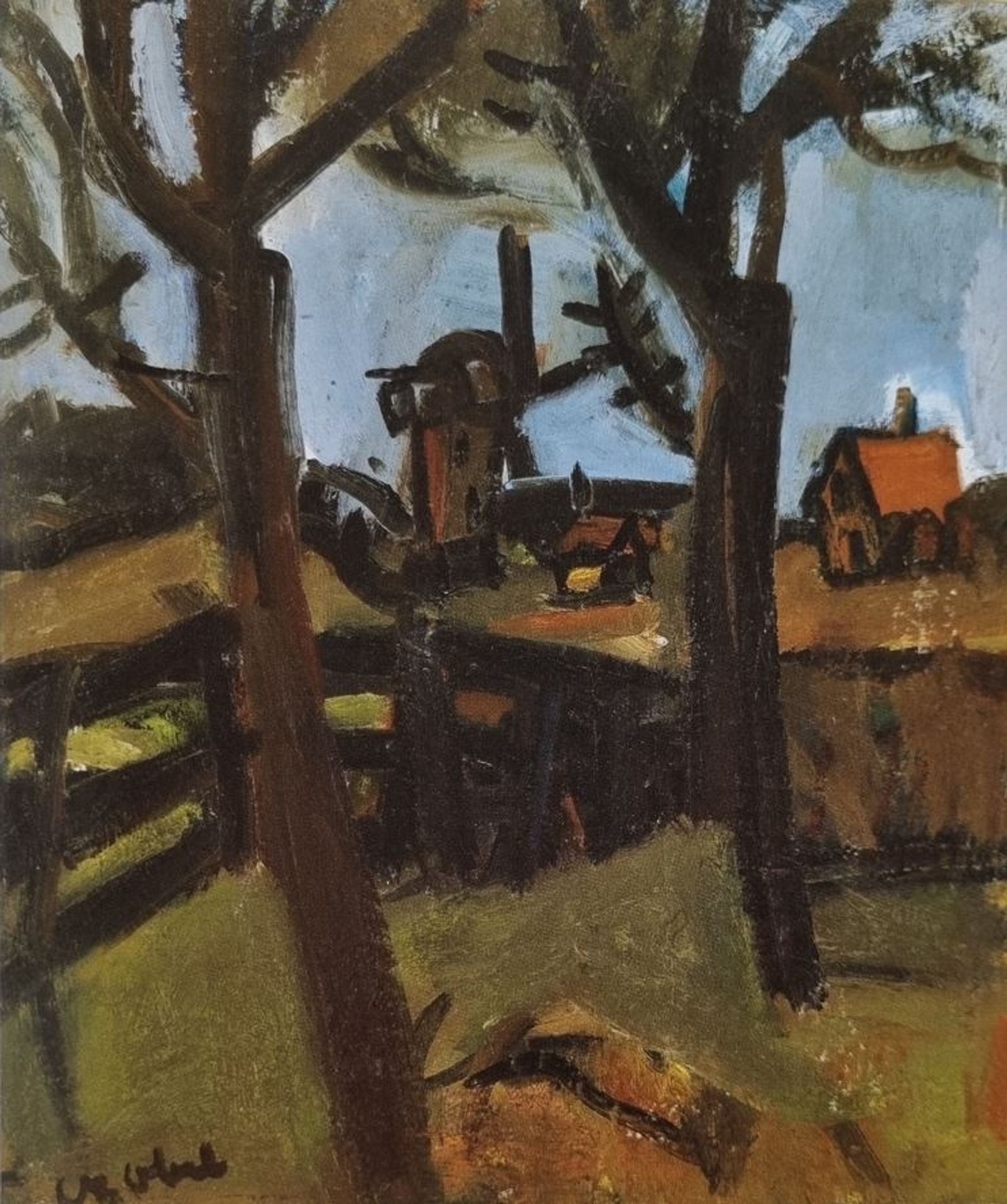
Czóbel Béla Bergeni Szélmalom 1917

Listen to curator's interpretation
Curatorial notes
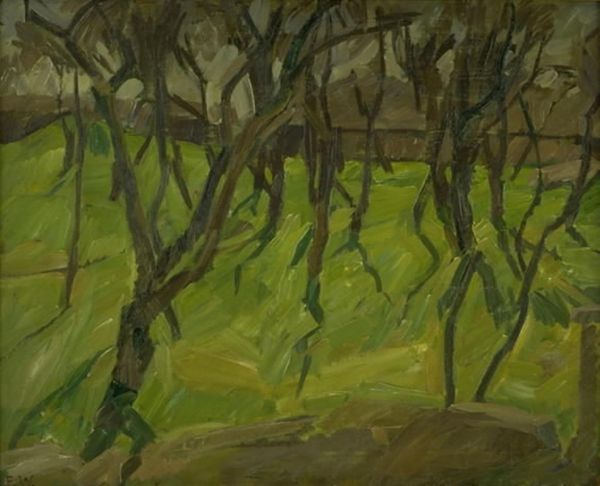
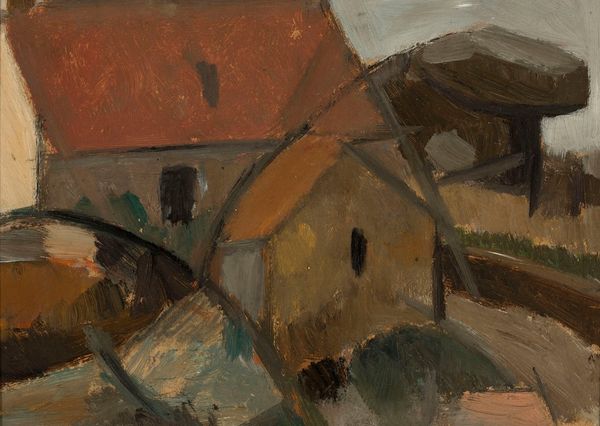
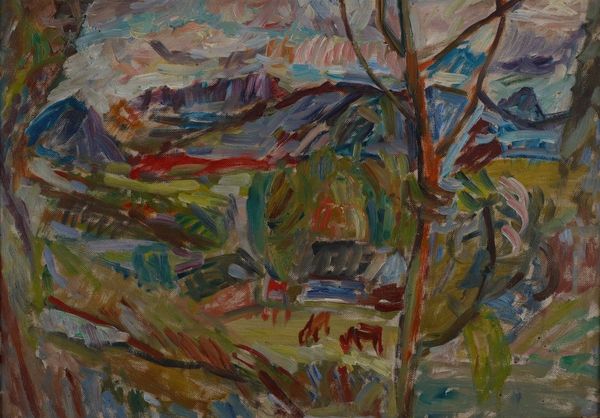
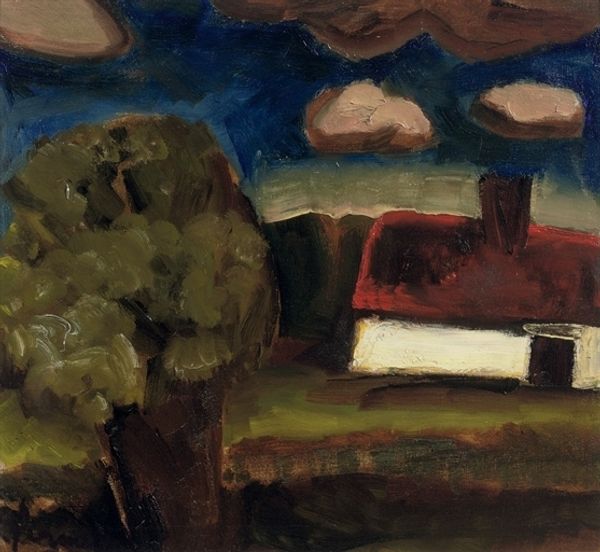
Béla Czóbel painted "Bergen Windmill" in 1917, using oil on canvas. Painted during World War I, this landscape presents a scene of rural life, seemingly untouched by the conflict raging across Europe. Czóbel, a Hungarian-Jewish artist, lived through a period of intense social and political upheaval. Yet, rather than directly addressing the war, he turns his attention to the intimate and pastoral. This choice can be seen as both a form of escapism and a subtle commentary on the enduring beauty of the natural world amidst human conflict. The thick brushstrokes and earthy tones evoke a sense of groundedness and stability. The windmill, a symbol of industry, is softened by the surrounding trees and fields, creating a dialogue between human progress and nature's resilience. This painting offers a quiet, reflective space, removed from the turmoil of the time. It invites us to consider the different ways artists respond to historical events.