About this artwork
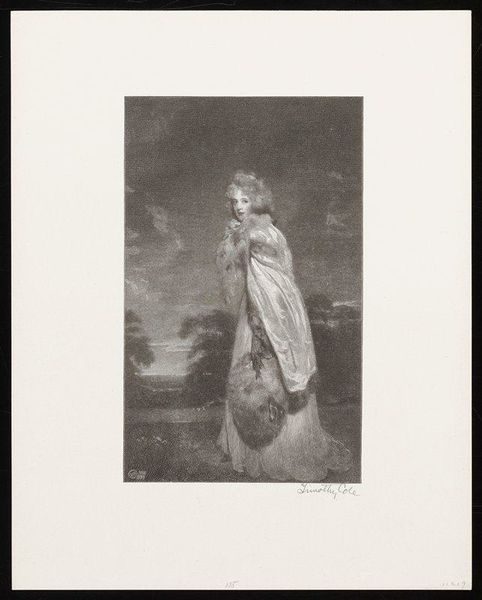
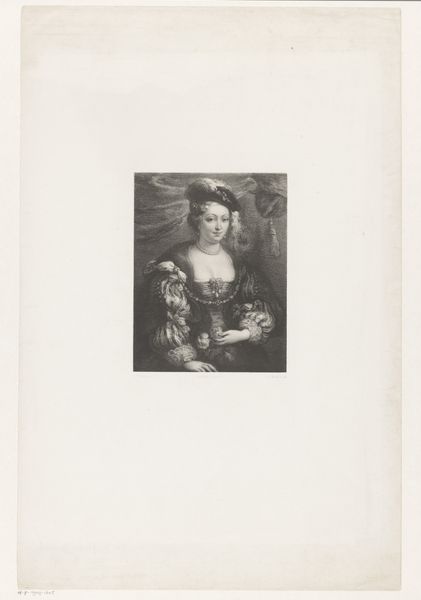
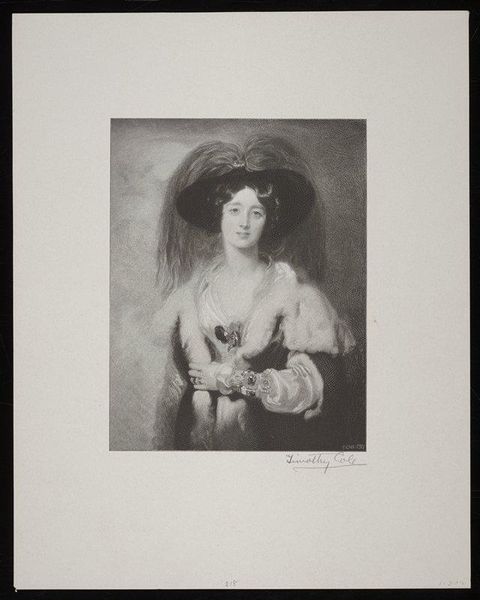
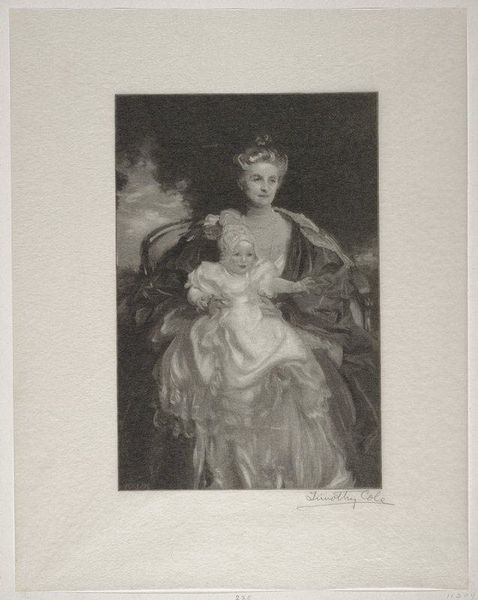
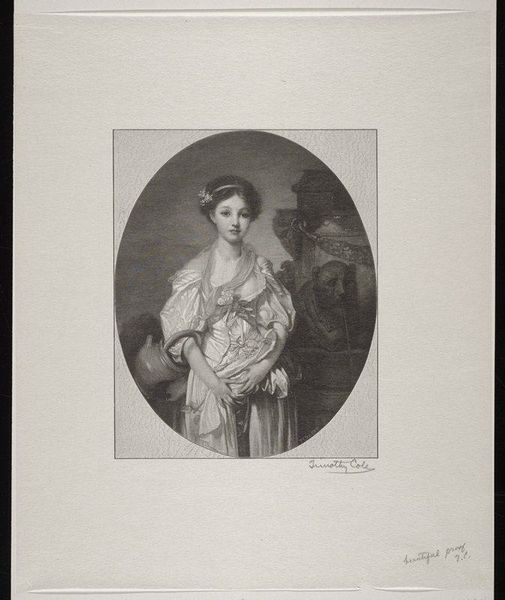
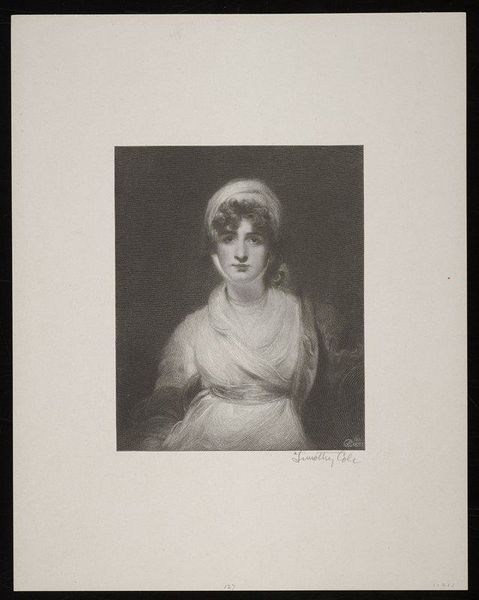
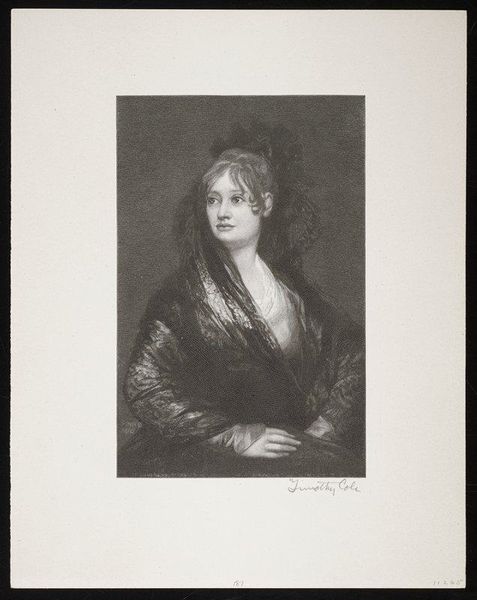
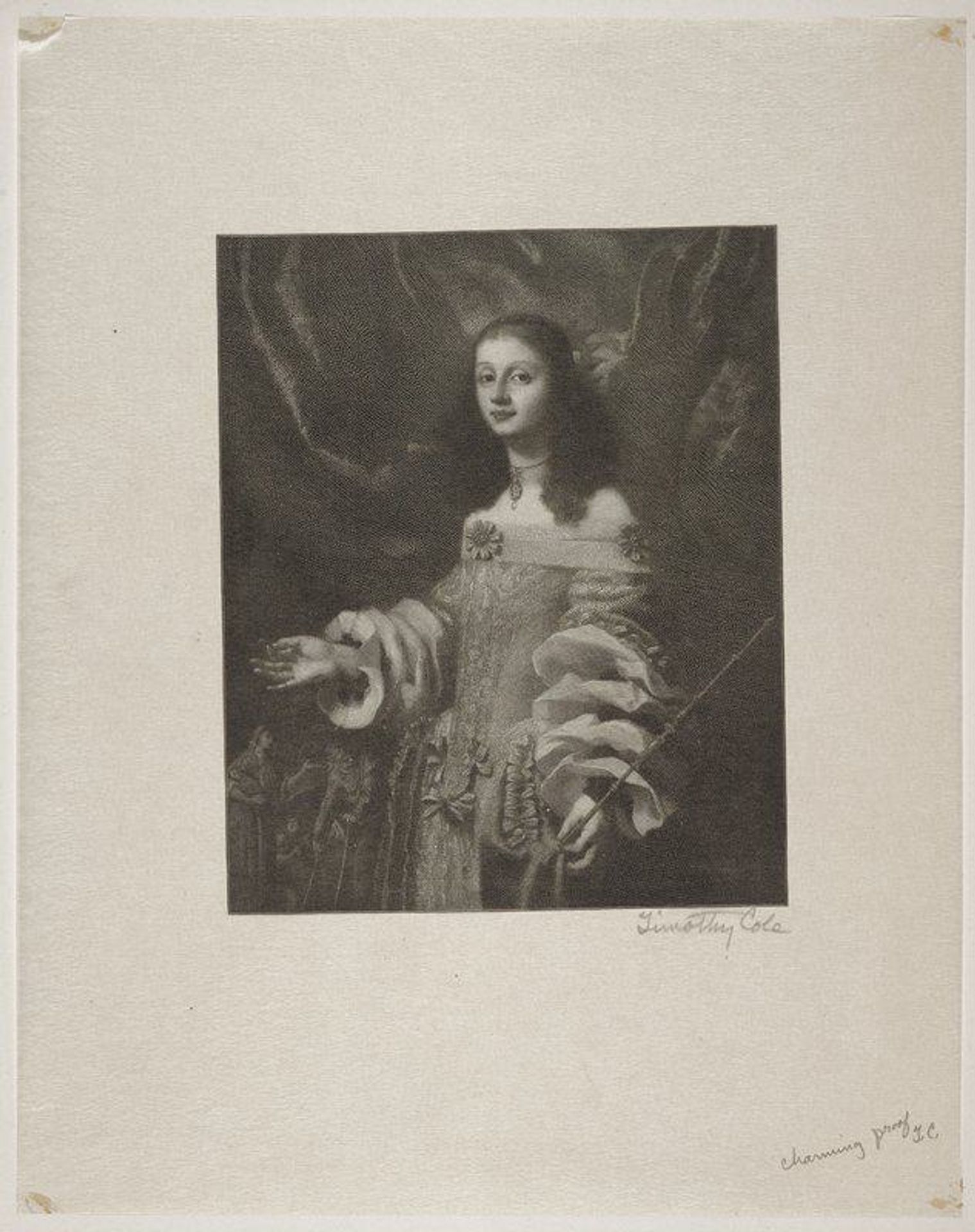
Timothy Cole created "Saint Elizabeth," an engraving, sometime between 1852 and 1931. Cole was known for his meticulous engravings of Old Master paintings, bringing historical art to a wider audience through print media. This image captures the subject’s demure expression and ornate attire, reflecting the social expectations placed on women of status. Elizabeth's portrayal is one of idealized beauty and grace, in line with traditional representations of women during that time. However, it's worth considering how Cole, as a male artist, might have shaped Elizabeth’s representation. What aspects of her character or experience might be overlooked or emphasized through his gaze? The very act of immortalizing someone in art raises questions about power, visibility, and whose stories get told. It encourages us to reflect on the complex interplay between artist, subject, and viewer, and how these dynamics shape our understanding of history and identity.
Saint Elizabeth 1901


Artwork details
- Medium
- print, wood-engraving
- Dimensions
- 6 7/16 x 5 5/16 in. (16.35 x 13.49 cm) (image)11 3/8 x 8 15/16 in. (28.89 x 22.7 cm) (sheet)
- Location
- Minneapolis Institute of Art
- Copyright
- No Copyright - United States
Tags
pencil drawn
photo of handprinted image
light pencil work
photo restoration
ink paper printed
pencil sketch
charcoal drawing
pencil drawing
united-states
pencil work
tonal art
wood-engraving
Comments
No comments
About this artwork
Timothy Cole created "Saint Elizabeth," an engraving, sometime between 1852 and 1931. Cole was known for his meticulous engravings of Old Master paintings, bringing historical art to a wider audience through print media. This image captures the subject’s demure expression and ornate attire, reflecting the social expectations placed on women of status. Elizabeth's portrayal is one of idealized beauty and grace, in line with traditional representations of women during that time. However, it's worth considering how Cole, as a male artist, might have shaped Elizabeth’s representation. What aspects of her character or experience might be overlooked or emphasized through his gaze? The very act of immortalizing someone in art raises questions about power, visibility, and whose stories get told. It encourages us to reflect on the complex interplay between artist, subject, and viewer, and how these dynamics shape our understanding of history and identity.
Comments
No comments