About this artwork
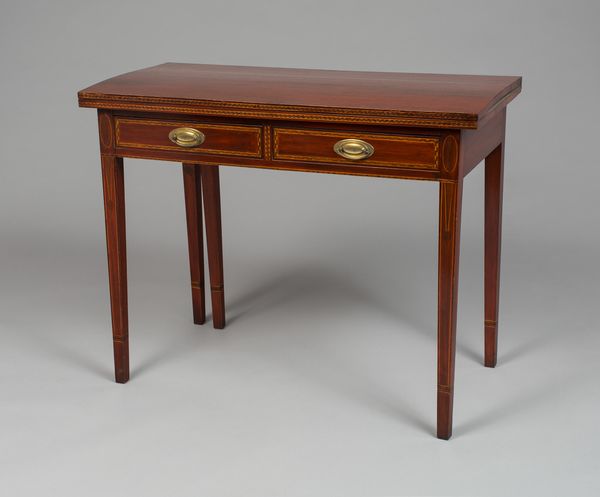
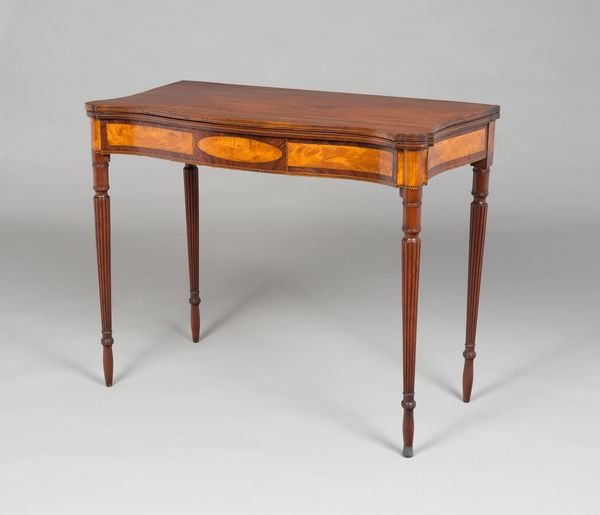
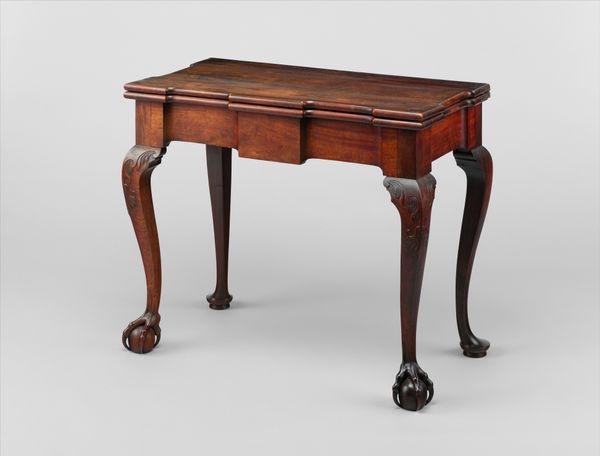
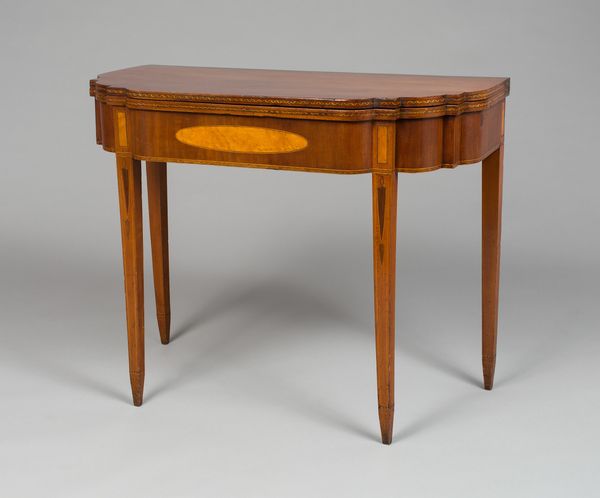
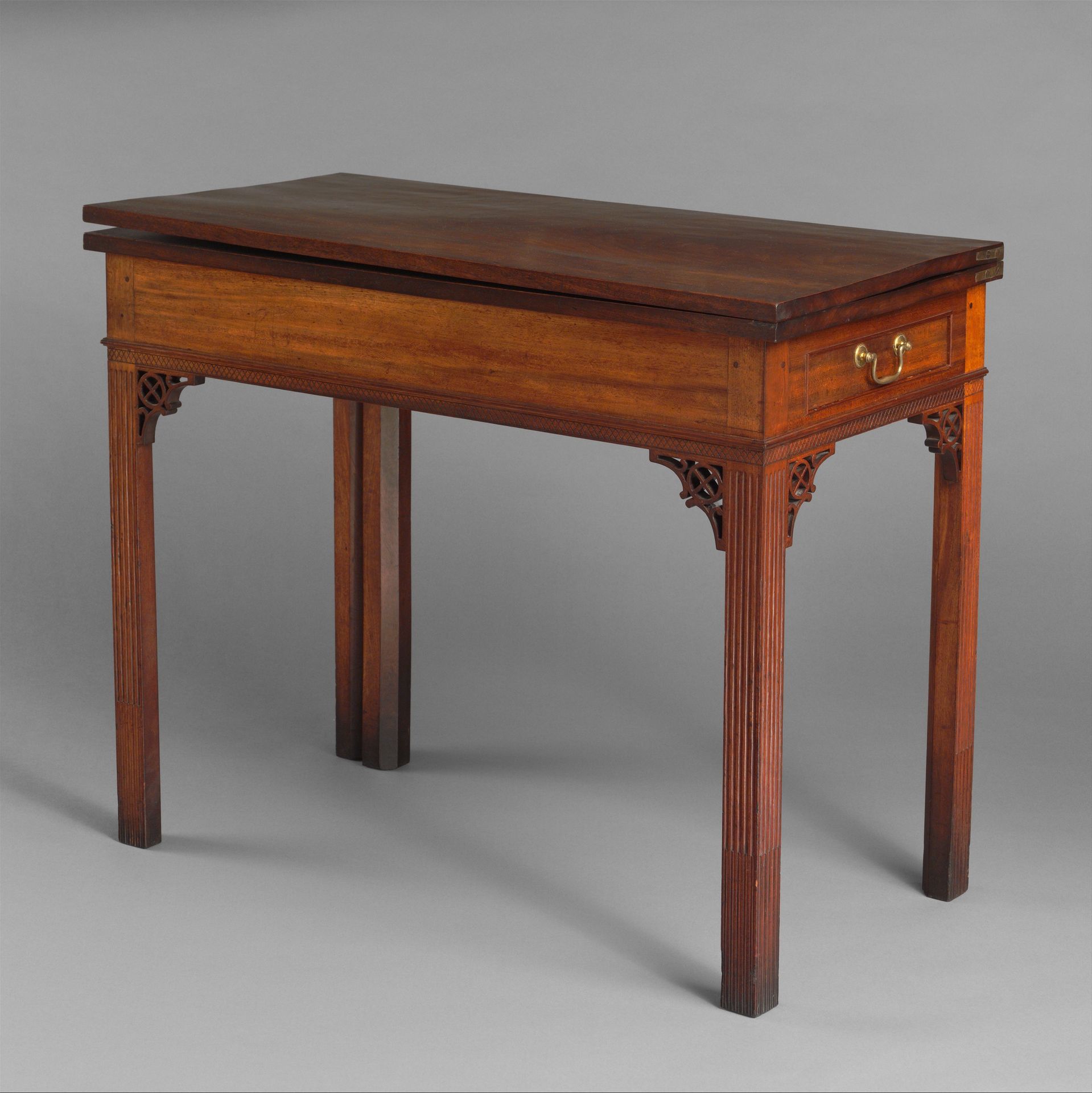
This card table was made by John Townsend, a prominent cabinetmaker in Newport, Rhode Island. Although undated, tables like this were popular in the second half of the 18th century. The design of the table reflects the influence of British Neoclassical styles, evident in the clean lines, fluted legs, and restrained ornamentation. However, the use of imported mahogany also speaks to the complex economic networks of the time, particularly the trade routes connecting the American colonies with the Caribbean. Card playing was a popular pastime among the upper classes, and owning such a table would have been a sign of wealth and status. The table, in essence, represents a culture of leisure and refinement that was enjoyed by a privileged few, largely made possible through exploitation. Understanding the social context in which this table was made requires looking at archival sources – such as estate inventories, newspaper advertisements, and pattern books – that provide insights into the lives of both the patrons who commissioned it and the artisans who crafted it.
Card table
1783 - 1786


Artwork details
- Medium
- carving, wood
- Dimensions
- Closed: 27 1/4 x 33 7/8 x 16 7/8 in. (69.2 x 86 x 42.9 cm)
- Location
- Metropolitan Museum of Art, New York, NY
- Copyright
- Public Domain
Tags
Comments
Share your thoughts
About this artwork
This card table was made by John Townsend, a prominent cabinetmaker in Newport, Rhode Island. Although undated, tables like this were popular in the second half of the 18th century. The design of the table reflects the influence of British Neoclassical styles, evident in the clean lines, fluted legs, and restrained ornamentation. However, the use of imported mahogany also speaks to the complex economic networks of the time, particularly the trade routes connecting the American colonies with the Caribbean. Card playing was a popular pastime among the upper classes, and owning such a table would have been a sign of wealth and status. The table, in essence, represents a culture of leisure and refinement that was enjoyed by a privileged few, largely made possible through exploitation. Understanding the social context in which this table was made requires looking at archival sources – such as estate inventories, newspaper advertisements, and pattern books – that provide insights into the lives of both the patrons who commissioned it and the artisans who crafted it.
Comments
Share your thoughts