1854 - 1914
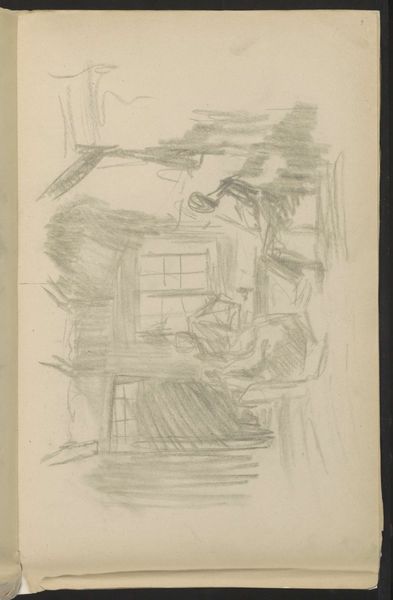
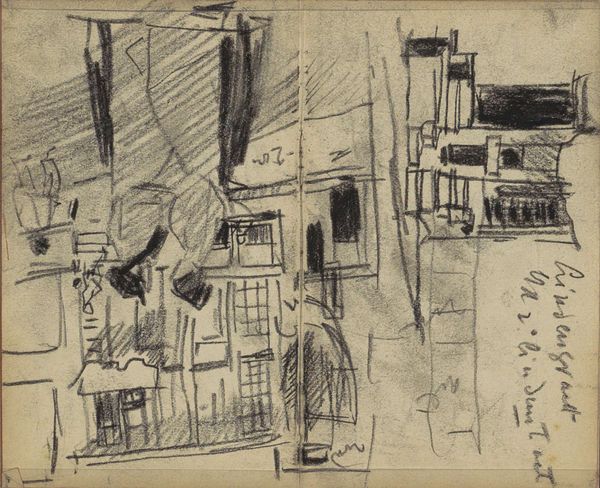
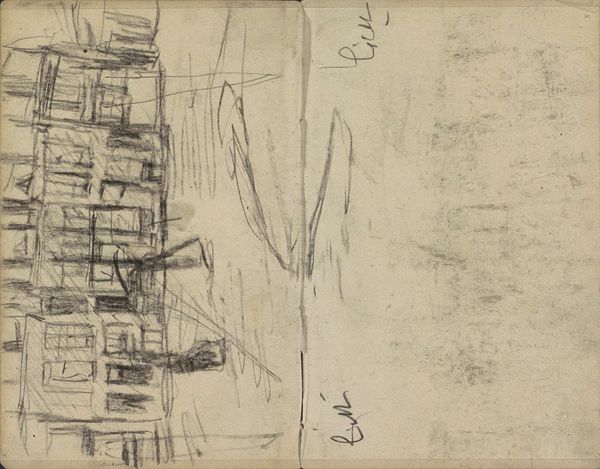
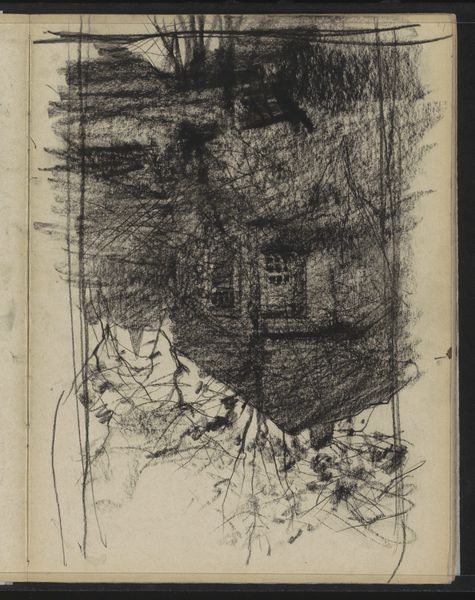
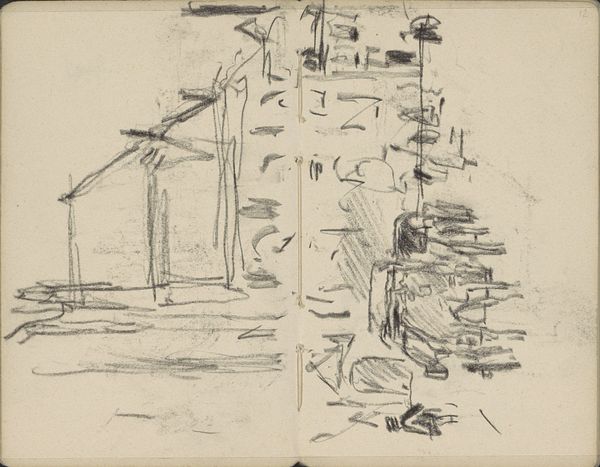
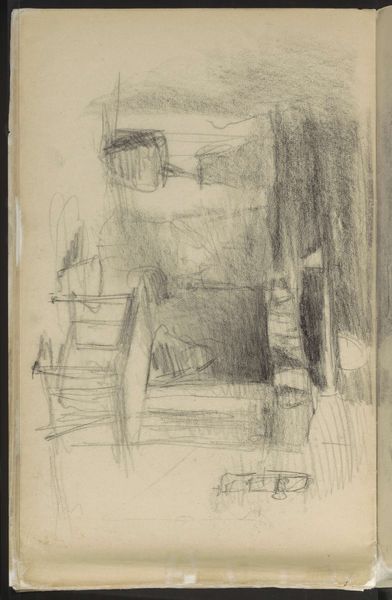
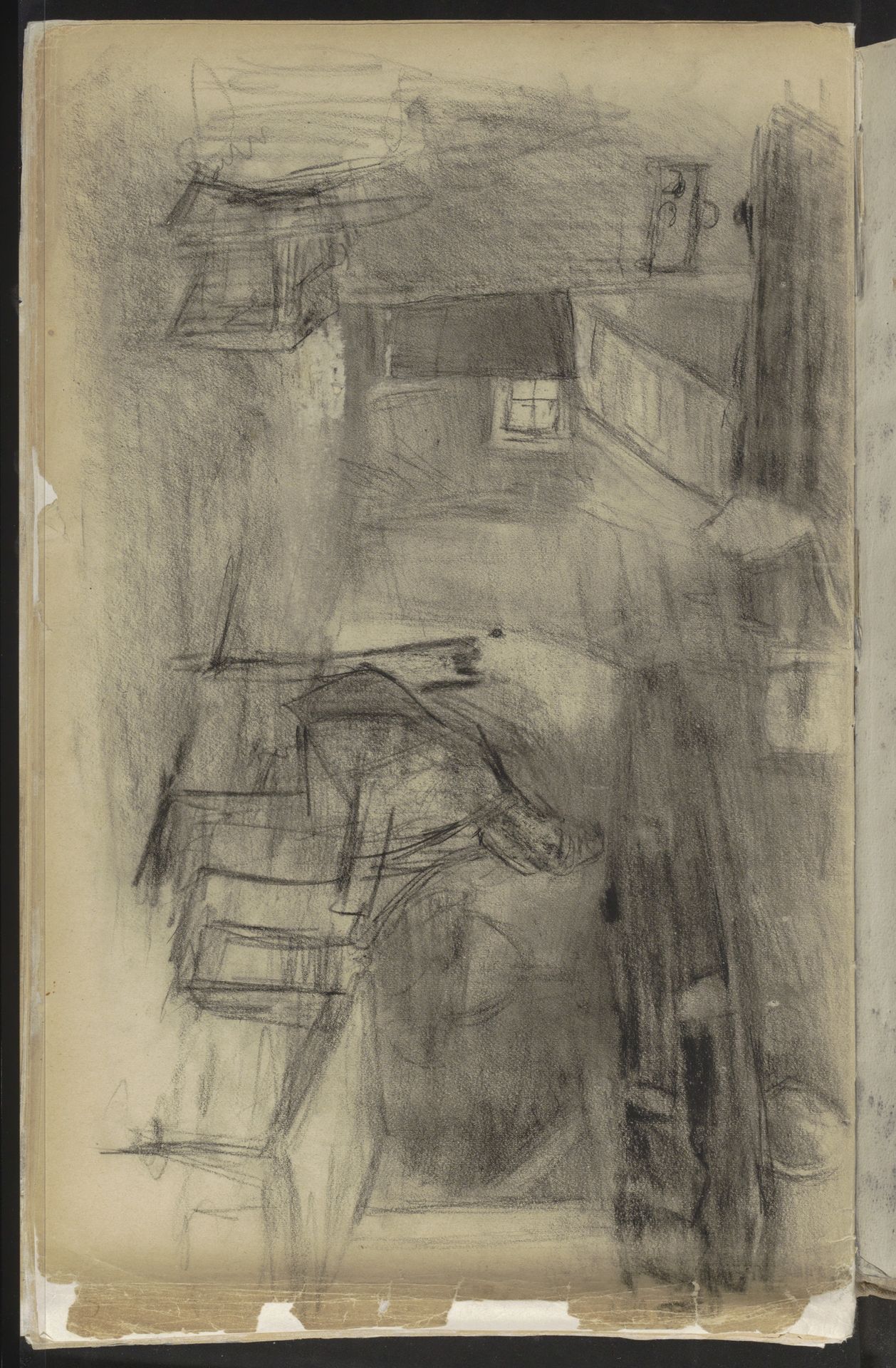
Zittende man in een boereninterieur met laaghangende balken

Albert Neuhuys
1844 - 1914Location
RijksmuseumListen to curator's interpretation
Curatorial notes
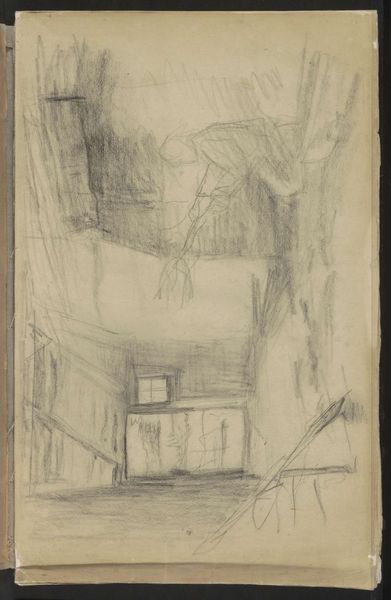
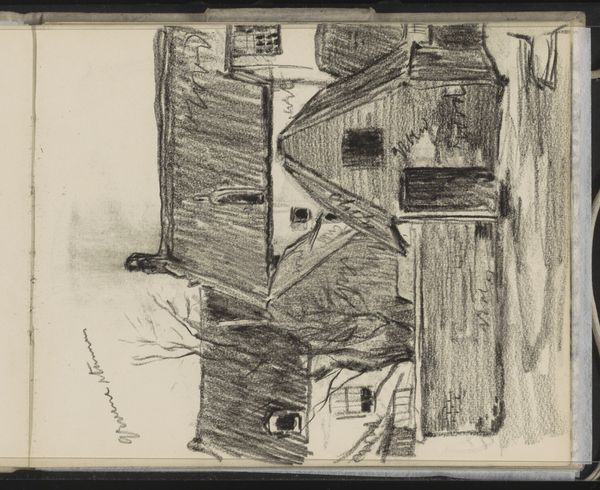
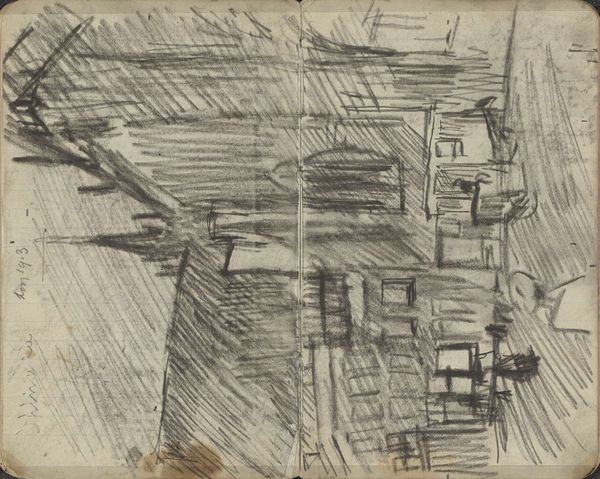
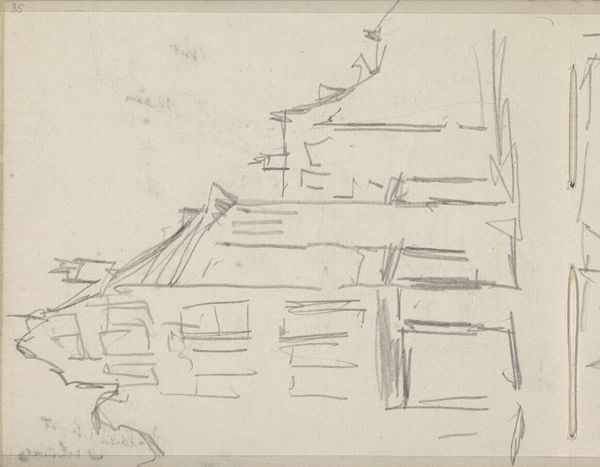
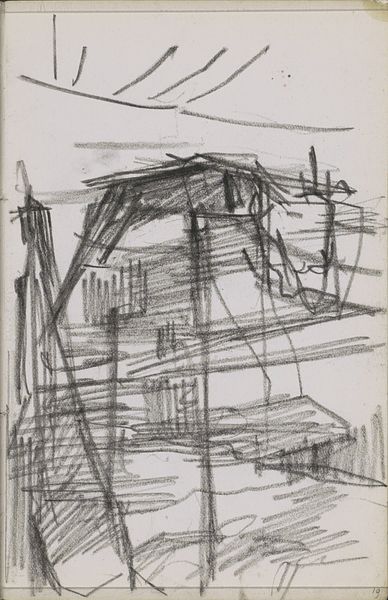
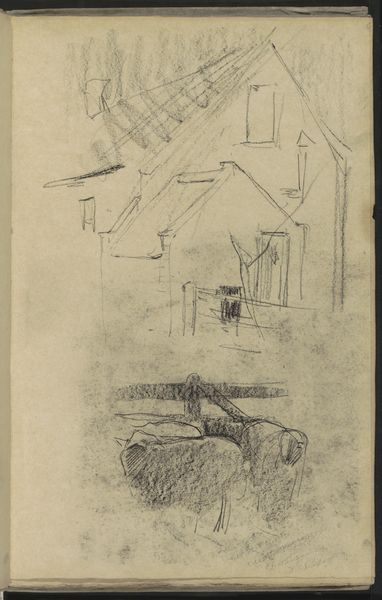
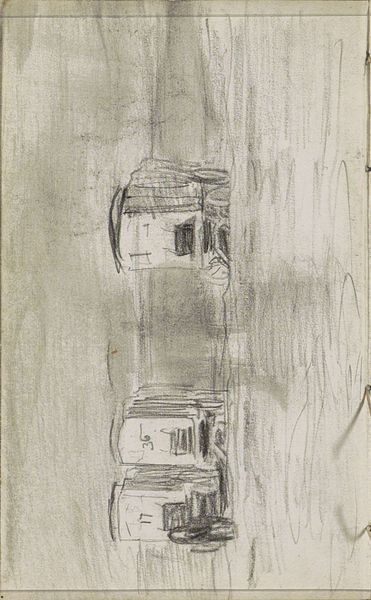
Albert Neuhuys made this pencil drawing of a seated man in a farmer's interior, with low-hanging beams, sometime between 1860 and 1914. It captures a moment of quiet domesticity. The drawing’s cultural significance resides in its depiction of rural life in the Netherlands during a period of rapid industrialization. Artists like Neuhuys turned to the countryside, idealizing peasant communities as symbols of tradition. This nostalgia conveniently overlooked the harsh realities of rural poverty. Museums and art schools of the time actively promoted such imagery, reinforcing a romanticized vision of the nation's past. The sketch, therefore, is not a neutral observation but a carefully constructed image contributing to a broader cultural narrative. To fully understand this work, we would consult historical archives, exhibition records, and period publications, to reveal the complex interplay between art, ideology, and social change. The drawing then becomes a window into the values and anxieties of a society on the cusp of modernity.