before 1894
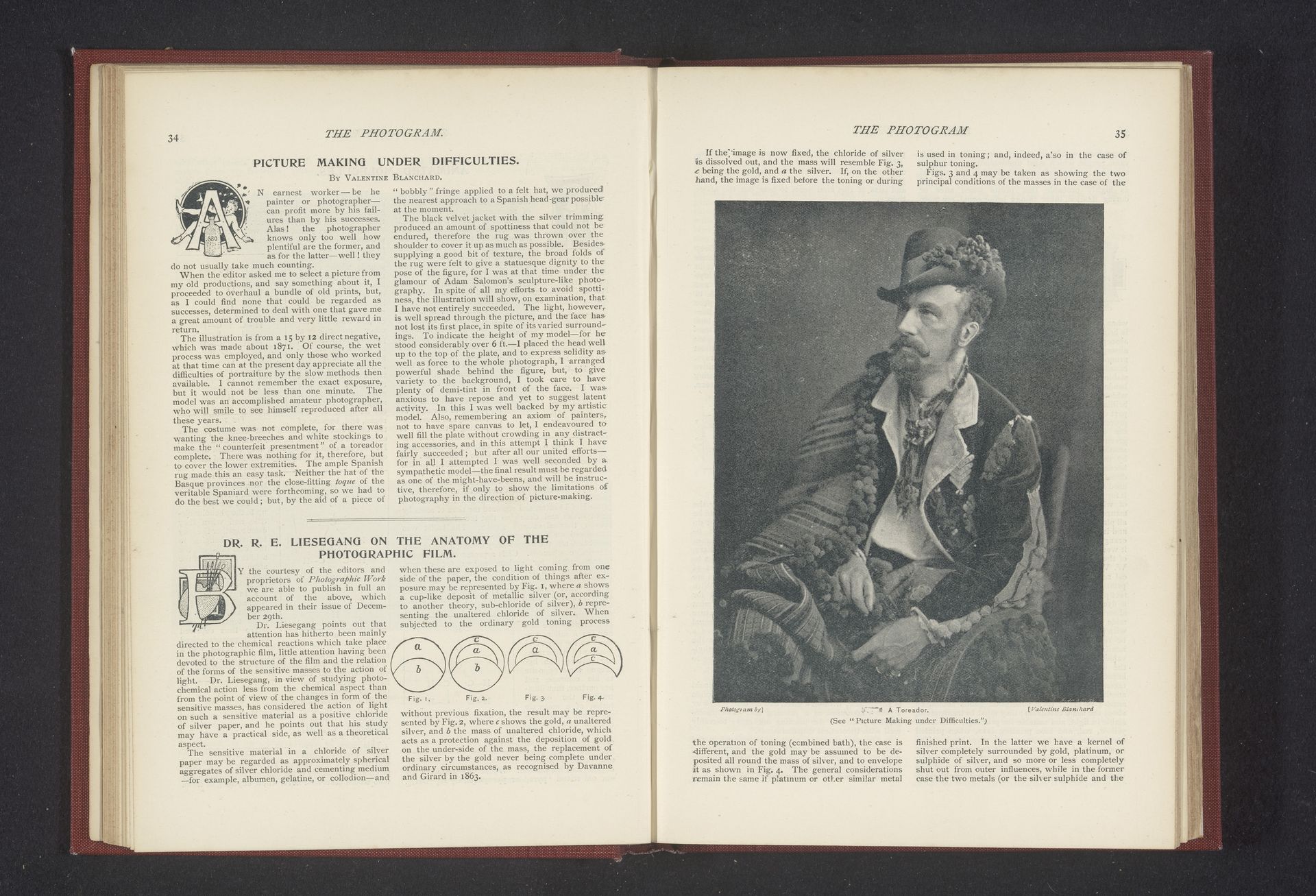
Portret van een onbekende man

Listen to curator's interpretation
Curatorial notes
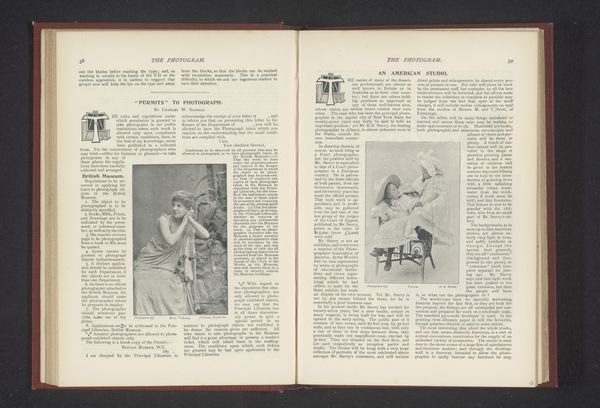
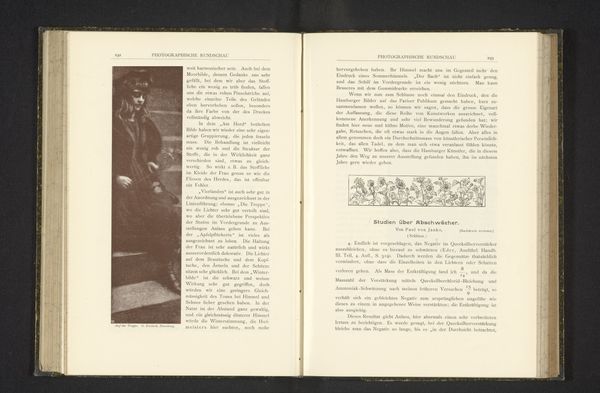
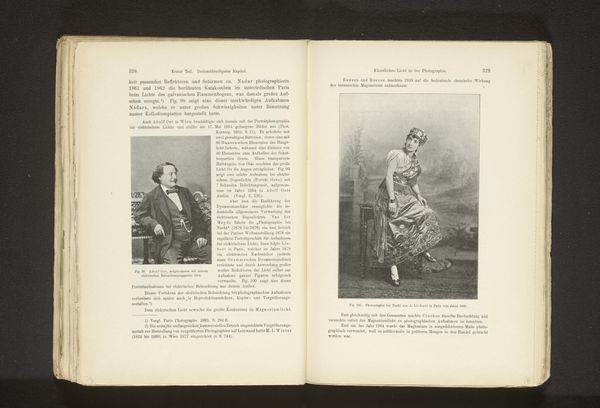
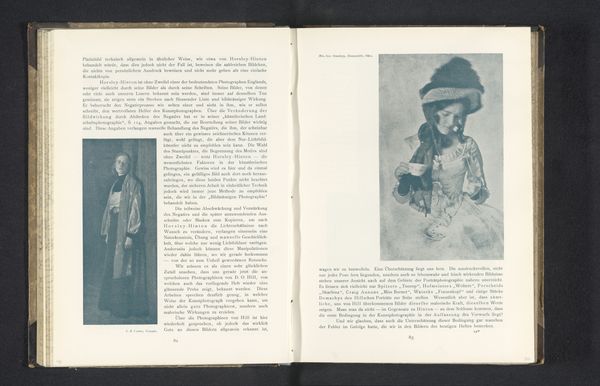
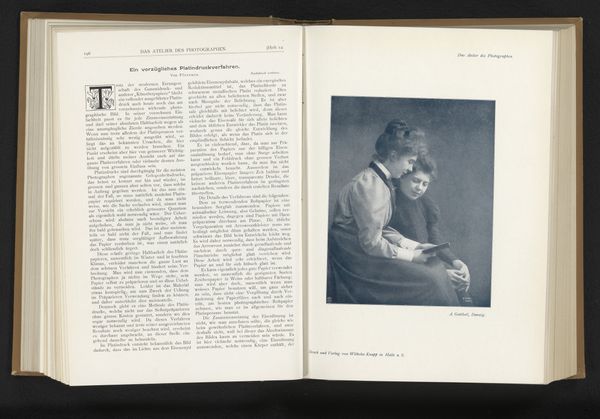
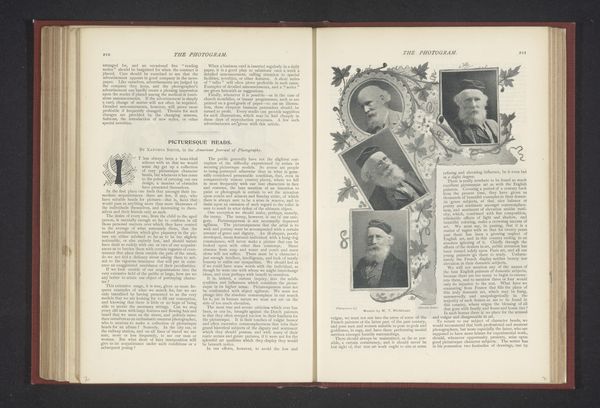
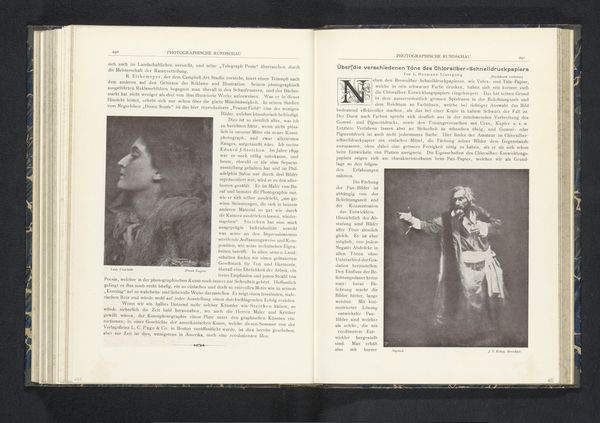
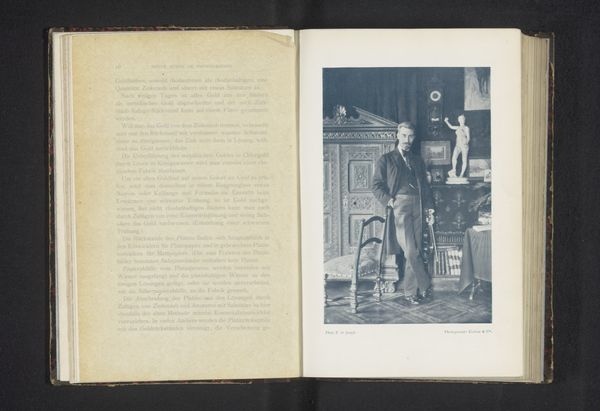
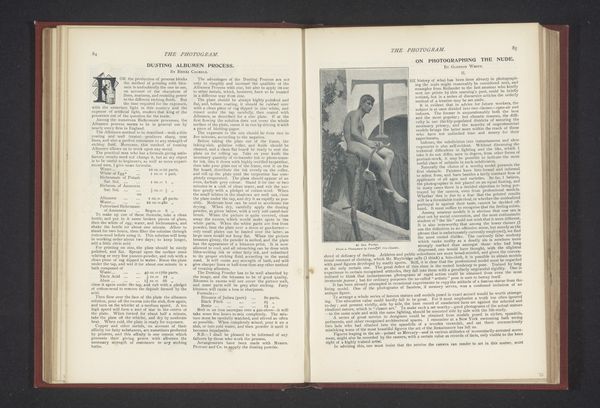
Valentine Blanchard made this photographic portrait of an unknown man using a wet collodion process sometime in the late 19th century. It's an early example of photographic printing, involving a complex chemical process on a glass plate coated with light-sensitive materials. The process itself demanded meticulous preparation, skill, and speed. The photographer had to coat, sensitize, expose, and develop the plate, all while it was still wet. This urgency is evident in the final result, captured in the sitter's pose. Beyond the technicalities, the portrait provides insight into the social dynamics of the time. The sitter, likely a member of the bourgeoisie, is styled with elaborate clothing and a pipe. The portrait, reproduced in a photographic journal, highlights the democratization of image-making in the Victorian era, allowing a broader audience to access and participate in visual culture. Looking at this image, it's crucial to appreciate not only its aesthetic value, but also the material and social conditions that made it possible, breaking down traditional barriers between art and craft.