About this artwork
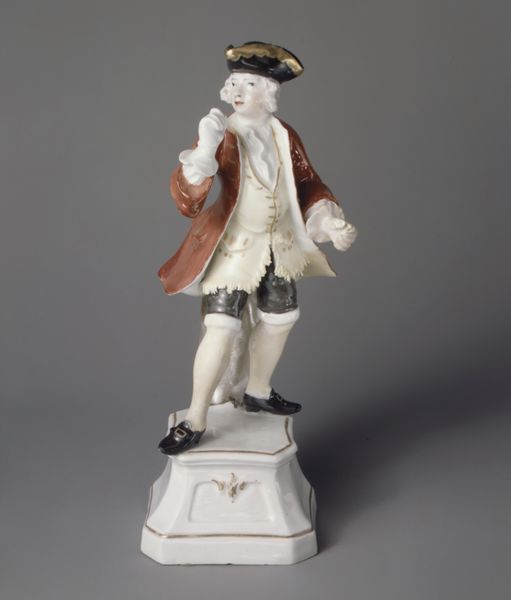
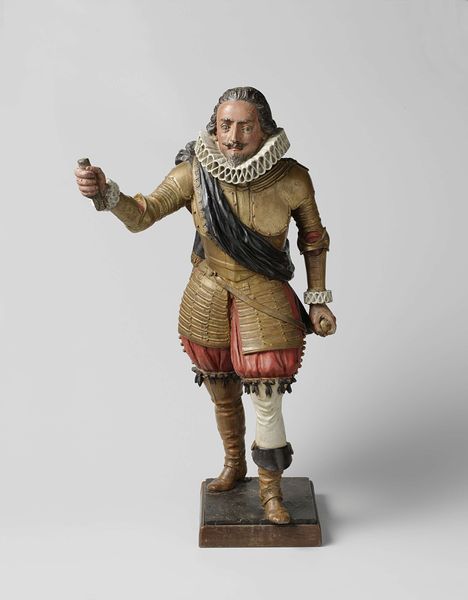
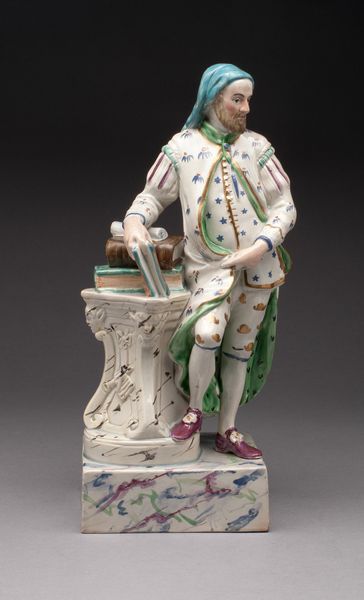
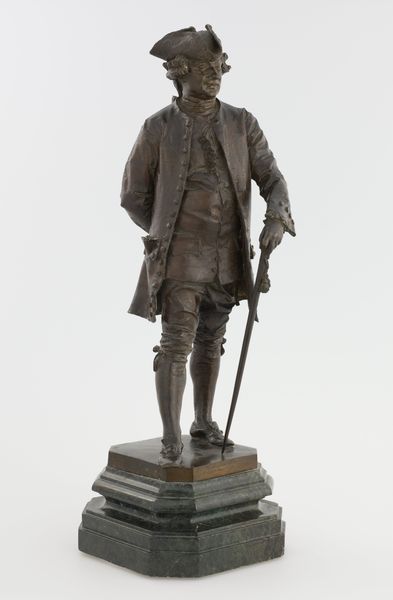
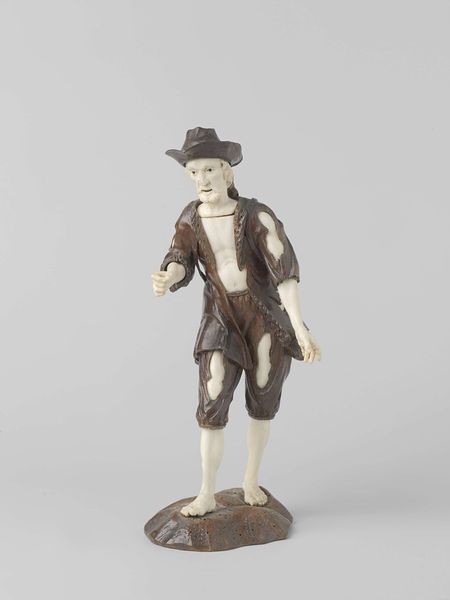
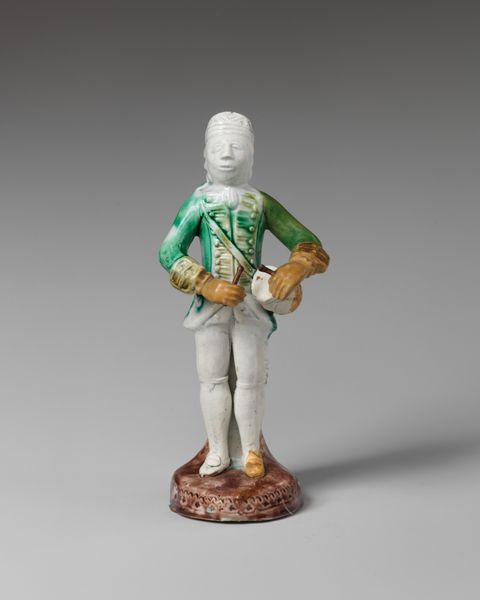
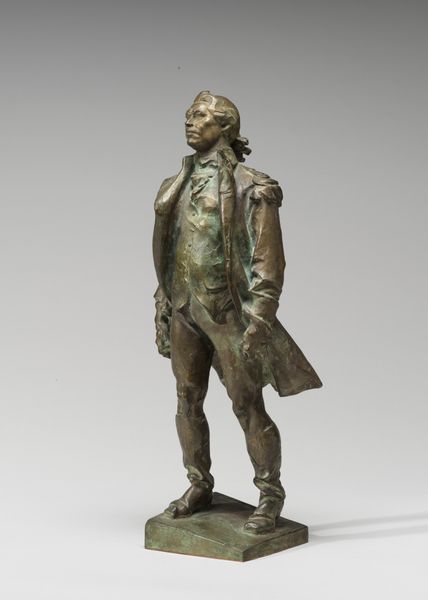
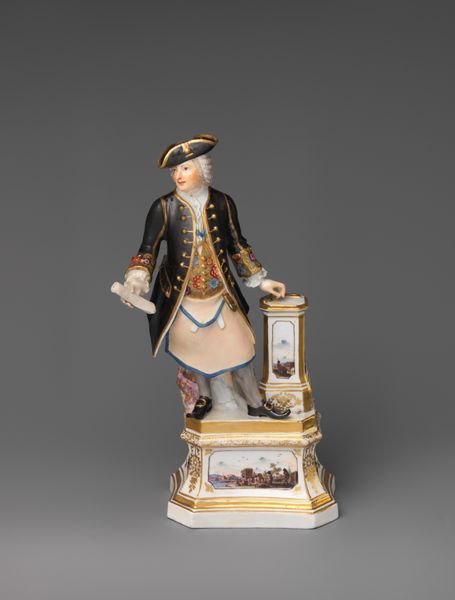
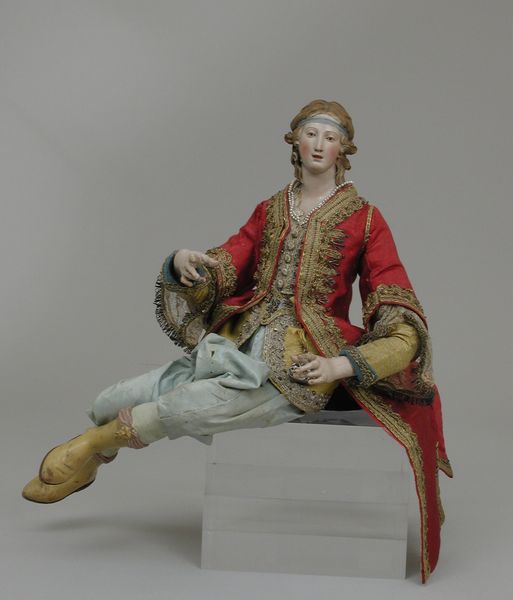
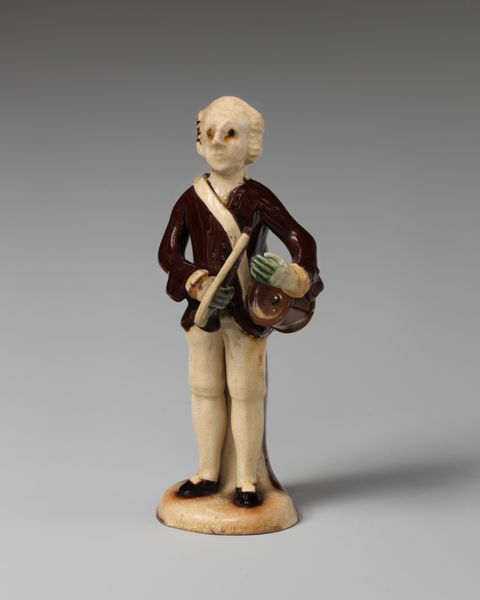
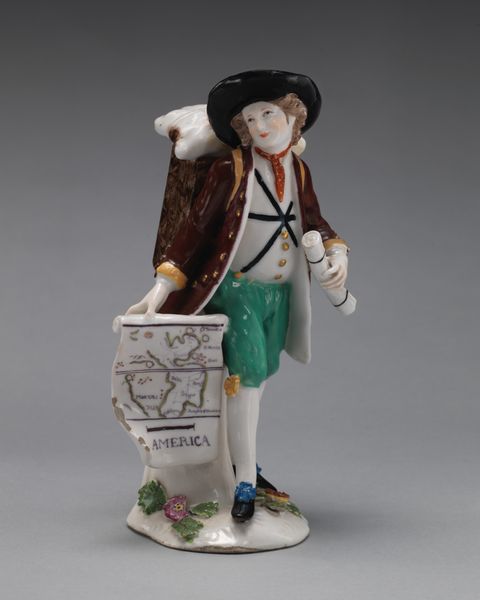
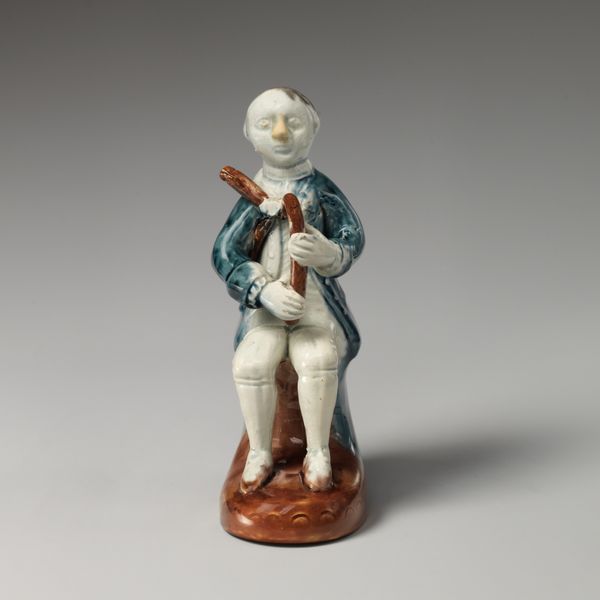
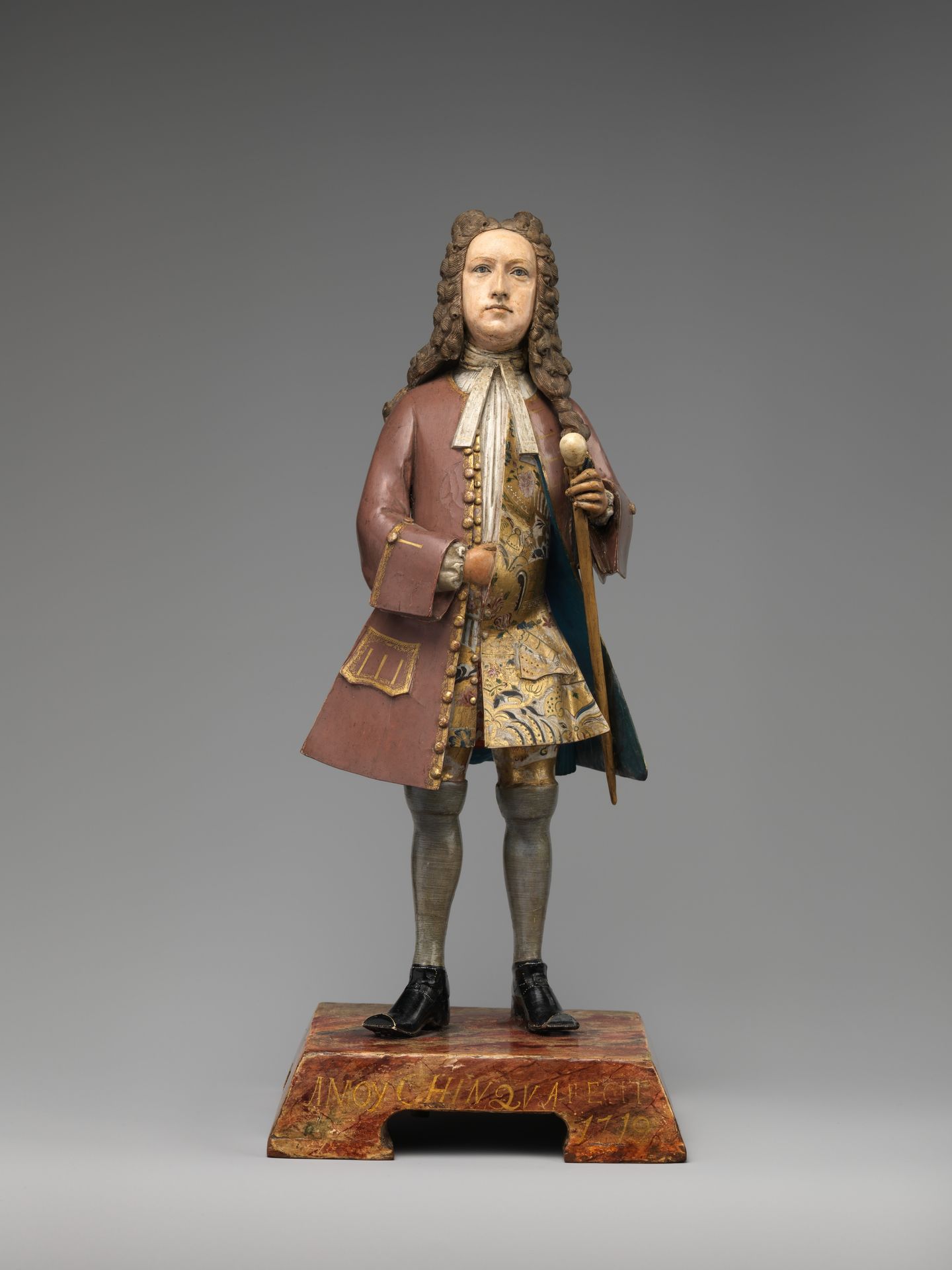
This painted limewood sculpture of a European merchant was created by Amoy Chinqua. It is a fascinating object because of its rigid, upright composition and the contrasting textures of the wood, paint and gilding. Notice how the artist captures the essence of a merchant through formal means. The figure's pose and the meticulously rendered clothing speak volumes about status and cultural identity. His erect posture and the slight tilt of his head exude an air of authority, while the palette of ochre, gold, and a muted brown creates a sense of subdued opulence, reflecting the merchant's prosperity. Chinqua seems to be playing with representation itself, asking us to consider how identity is constructed through materiality, form, and social codes. The sculpture stands as a testament to the cross-cultural exchanges, and interpretations that defined the era. It serves as a reminder that art is not just about what is depicted, but how it is depicted.
Figure of a European Merchant
1719


Artwork details
- Medium
- ceramic, sculpture, wood
- Dimensions
- Overall (confirmed): 12 15/16 × 5 9/16 × 5 3/8 in. (32.9 × 14.1 × 13.7 cm); Height of figure only: 11 9/16 in. (29.4 cm)
- Location
- Metropolitan Museum of Art, New York, NY
- Copyright
- Public Domain
Tags
Comments
Share your thoughts
About this artwork
This painted limewood sculpture of a European merchant was created by Amoy Chinqua. It is a fascinating object because of its rigid, upright composition and the contrasting textures of the wood, paint and gilding. Notice how the artist captures the essence of a merchant through formal means. The figure's pose and the meticulously rendered clothing speak volumes about status and cultural identity. His erect posture and the slight tilt of his head exude an air of authority, while the palette of ochre, gold, and a muted brown creates a sense of subdued opulence, reflecting the merchant's prosperity. Chinqua seems to be playing with representation itself, asking us to consider how identity is constructed through materiality, form, and social codes. The sculpture stands as a testament to the cross-cultural exchanges, and interpretations that defined the era. It serves as a reminder that art is not just about what is depicted, but how it is depicted.
Comments
Share your thoughts