About this artwork
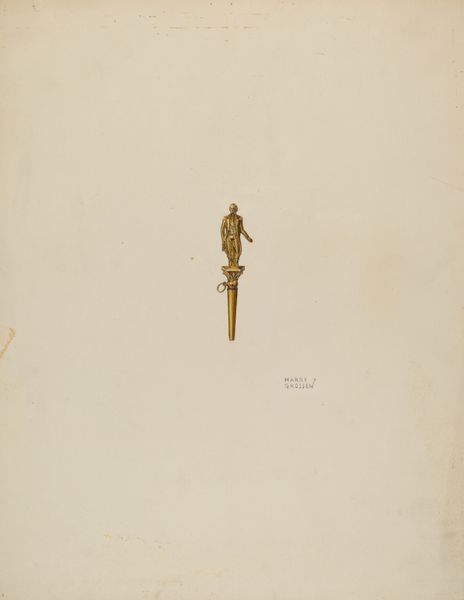
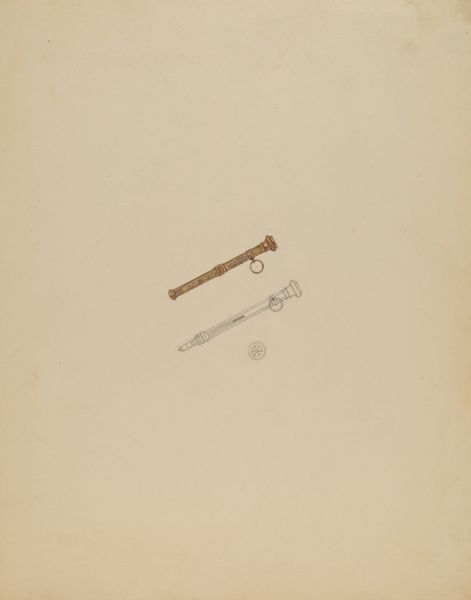
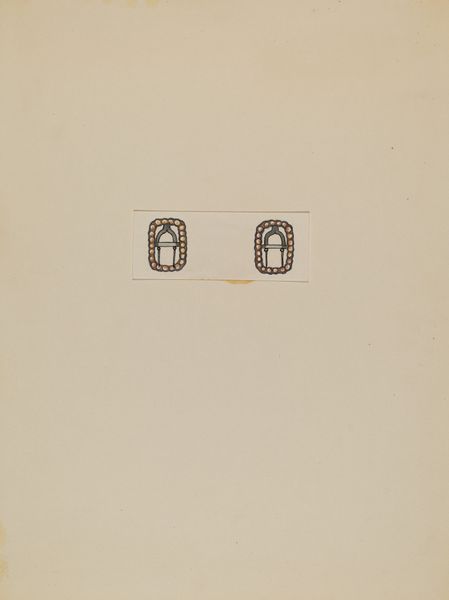
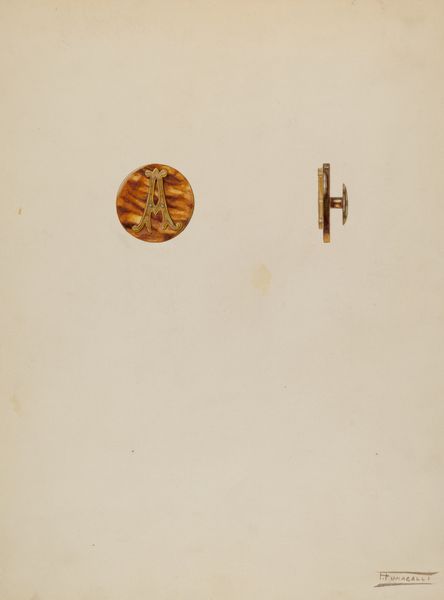
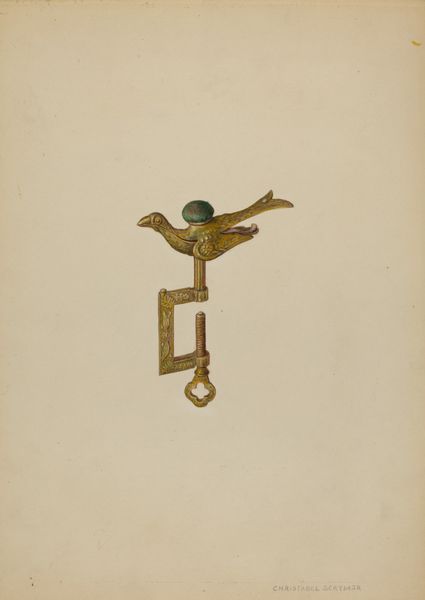
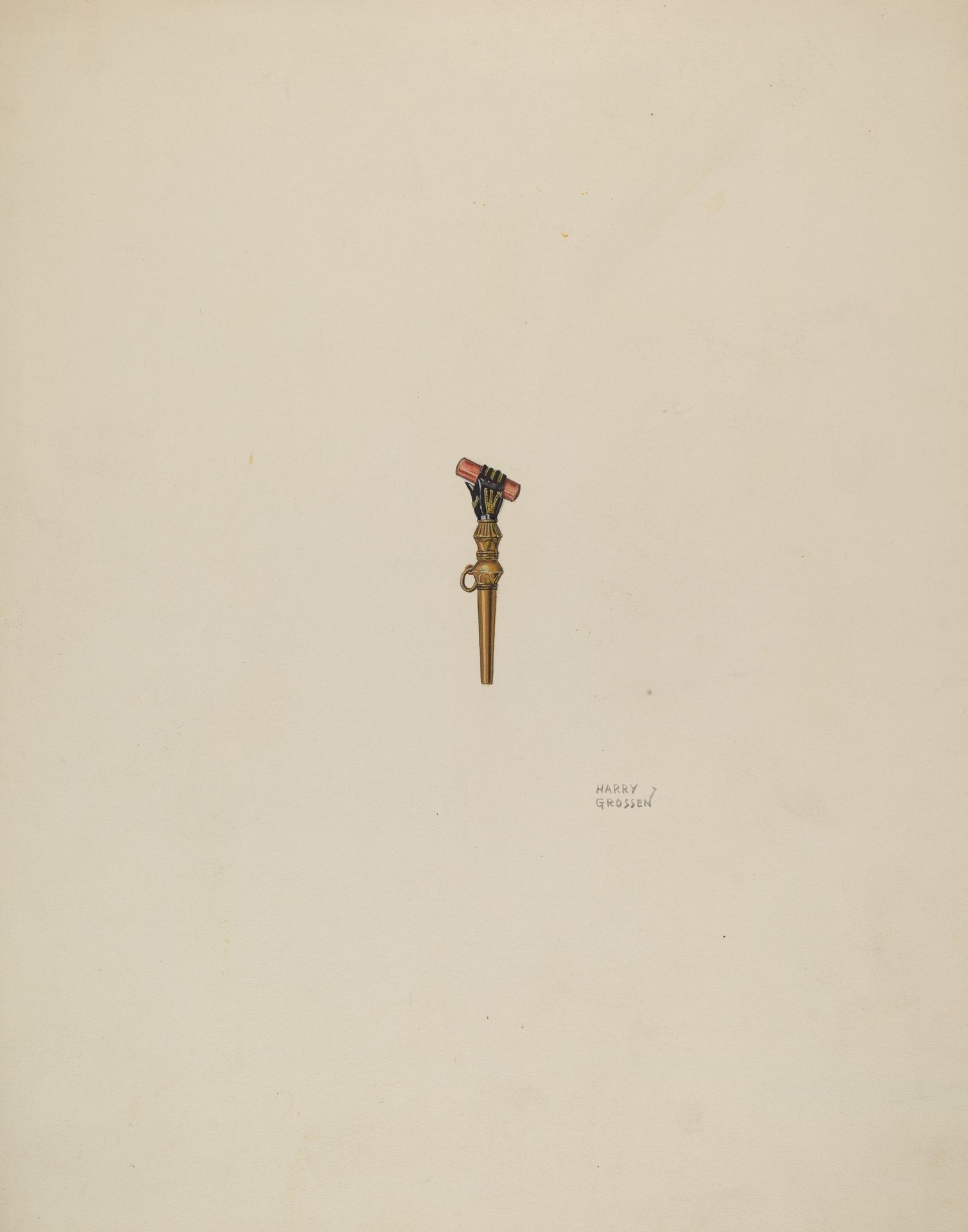
Harry Grossen's "Watch Key," crafted with watercolor, ink, and graphite, presents an object laden with symbolic meaning beyond its practical use. The key, used to wind timepieces, becomes a symbol of control over time itself. Notice the hand at the top of the key, gripping the cylinder, as if harnessing its power. The hand motif appears throughout history, from ancient Egyptian art to Renaissance paintings, often representing power, creation, or divine intervention. Here, it suggests humanity’s ambition to regulate the natural order, a desire that finds echoes in myths like Prometheus stealing fire. The watch key thus becomes more than just a tool; it’s an emblem of our enduring quest to master time, a force that inevitably shapes our lives. This image evokes a sense of our collective preoccupation with time, and reminds us of our timeless fascination with control.


Artwork details
- Medium
- drawing, watercolor
- Dimensions
- overall: 35.6 x 28 cm (14 x 11 in.)
- Copyright
- National Gallery of Art: CC0 1.0
Tags
Comments
Share your thoughts
About this artwork
Harry Grossen's "Watch Key," crafted with watercolor, ink, and graphite, presents an object laden with symbolic meaning beyond its practical use. The key, used to wind timepieces, becomes a symbol of control over time itself. Notice the hand at the top of the key, gripping the cylinder, as if harnessing its power. The hand motif appears throughout history, from ancient Egyptian art to Renaissance paintings, often representing power, creation, or divine intervention. Here, it suggests humanity’s ambition to regulate the natural order, a desire that finds echoes in myths like Prometheus stealing fire. The watch key thus becomes more than just a tool; it’s an emblem of our enduring quest to master time, a force that inevitably shapes our lives. This image evokes a sense of our collective preoccupation with time, and reminds us of our timeless fascination with control.
Comments
Share your thoughts