print, engraving
#
narrative-art
#
baroque
# print
#
figuration
#
coloured pencil
#
history-painting
#
engraving
Dimensions: height 281 mm, width 395 mm
Copyright: Rijks Museum: Open Domain
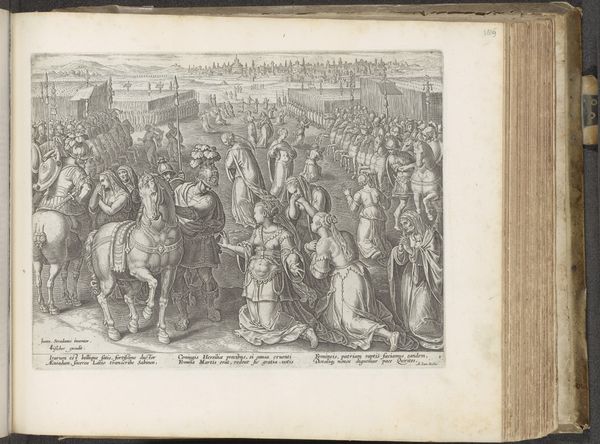
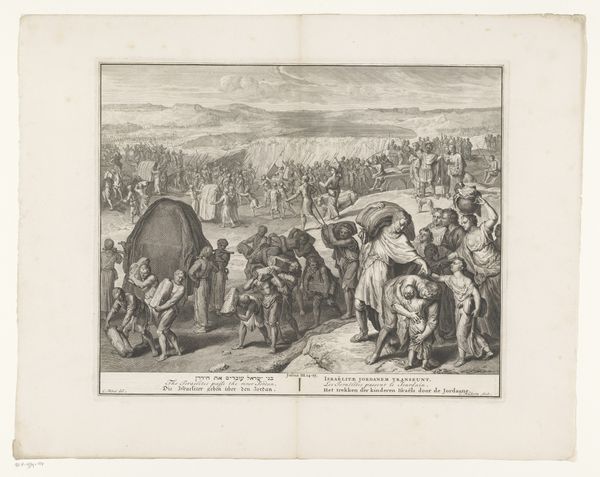
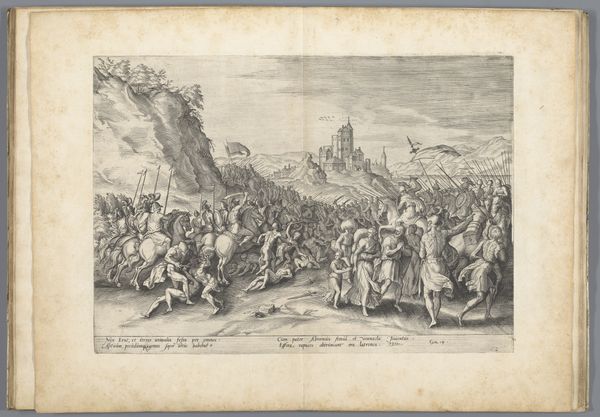
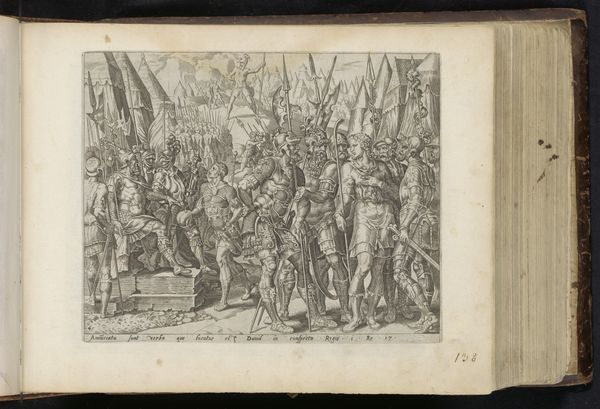
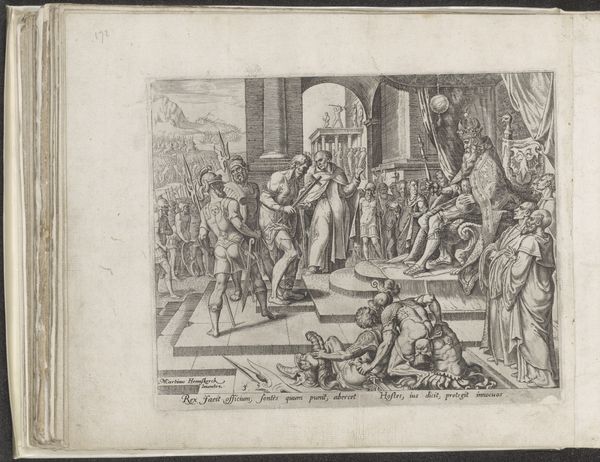
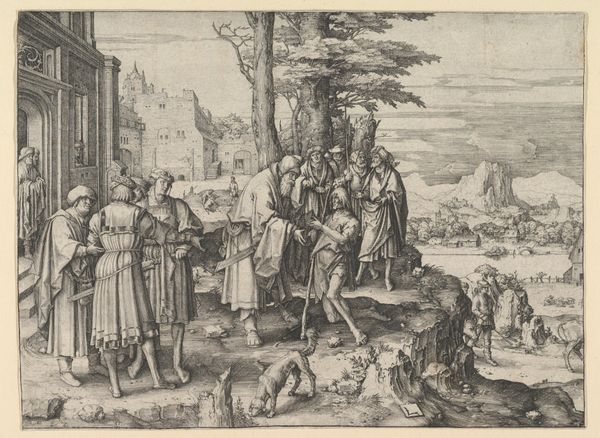
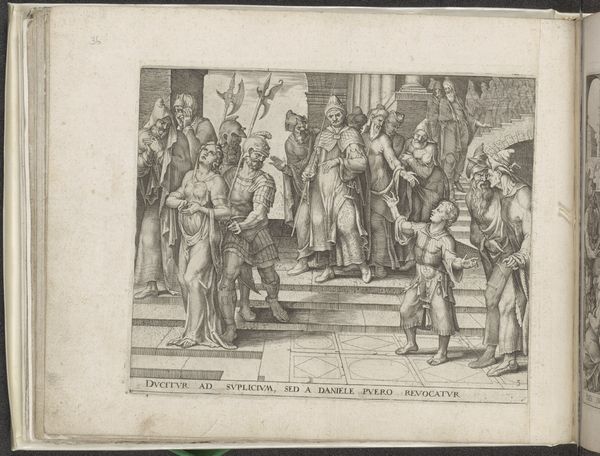
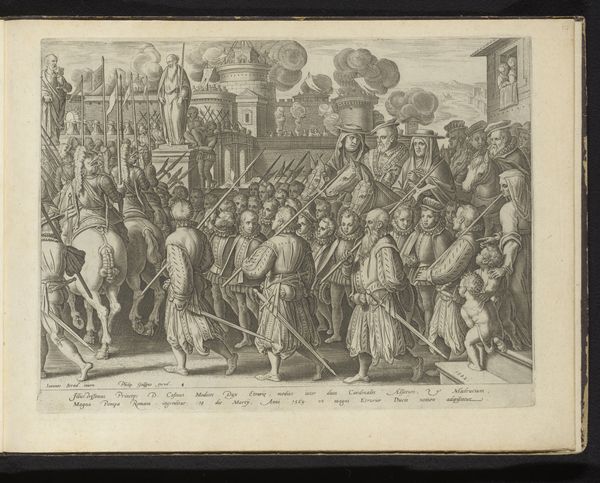
Editor: So, here we have "The Meeting of Abraham and Melchizedek," an engraving from somewhere between 1595 and 1638, artist unknown. It depicts quite the encounter, full of figures and intricate details. What strikes me is the rendering of textures—the clothing, the animal hides. What do you see in this piece? Curator: It's an interesting print, isn't it? Forget about "who" it depicts. Let’s think about *how* it was made. The act of engraving – the labor, the skill required to render this scene in lines on a copper plate… That is central to our understanding. And it allows the democratization of images, spreading ideas quickly and efficiently throughout Europe, particularly the narrative being told here, and influencing the social context profoundly. Editor: So, you’re less interested in the figures and more interested in the *process* itself and its societal effects? Curator: Precisely! Consider how this engraving served as a *reproducible* commodity. Each impression extended the reach of the depicted scene, the biblical narrative being retold over and over, with a kind of factory-like monotony. That repetition impacts belief, power, and ultimately shapes history. Also notice how hierarchy emerges; the elite can pay more for original impressions and privileged access. Editor: That's a perspective I hadn’t really considered, seeing the production itself as so impactful. Thinking about all those engravings being created and circulated… It definitely changes how I view it. Curator: It's about the art object's place in the wider world, its entanglement within economic and political systems. Now when you consider those exquisitely crafted details - and their faithful mass reproductions – what new meanings do you discover about this depiction of "The Meeting of Abraham and Melchizedek?" Editor: I guess understanding its material reality opens a different understanding to how it functioned back then. The materiality reframes the narrative entirely. Thanks, I learned a lot.
Comments

rijksmuseum over 2 years ago
⋮
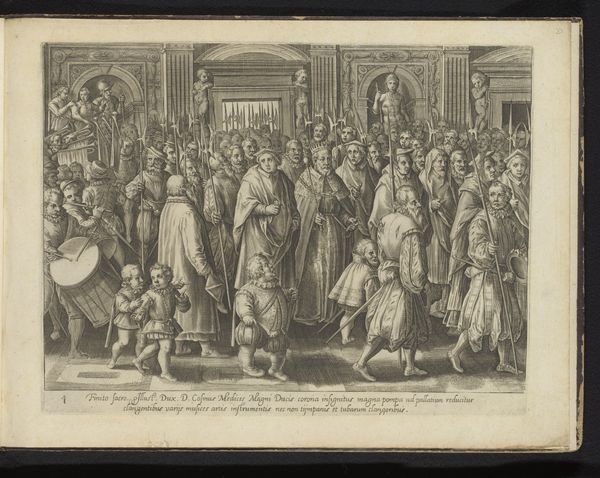
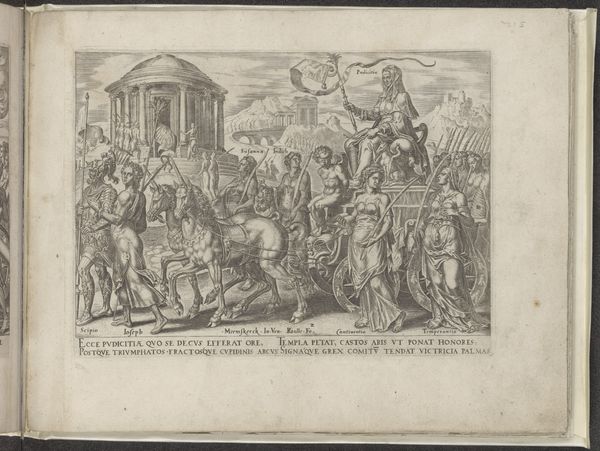
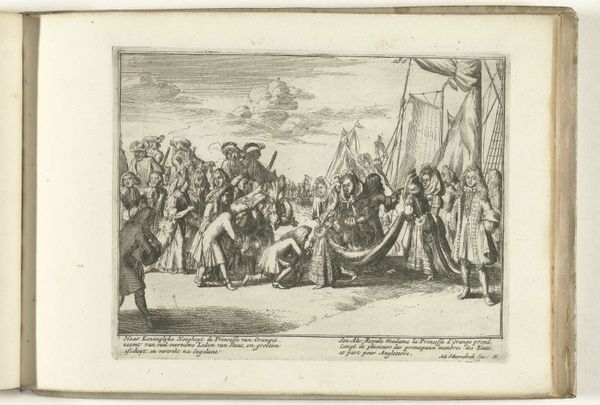
Intact albums are few and far between, because they have usually been dismantled. This 16thcentury album was probably compiled in Antwerp. It contains prints with mostly Christian themes from the Old and New Testament. Some of them are proofs. Represented here is Melchizedek blessing Abraham and giving him bread and wine. Abraham’s soldiers are ready to hand over part of the spoils of war.


Join the conversation
Join millions of artists and users on Artera today and experience the ultimate creative platform.
 Collect
More like this