1787 - 1789
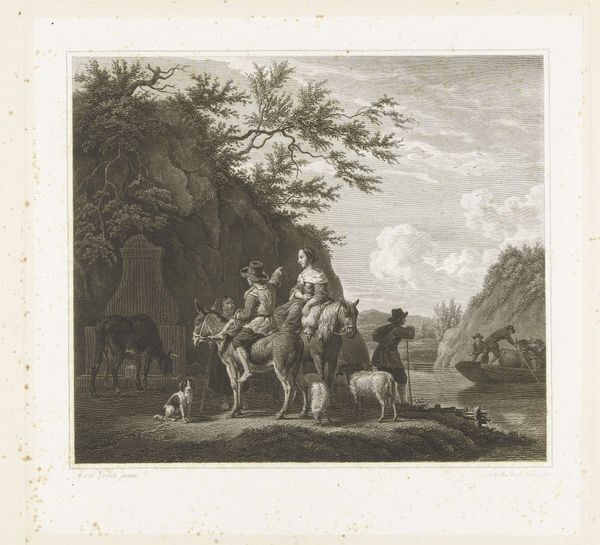
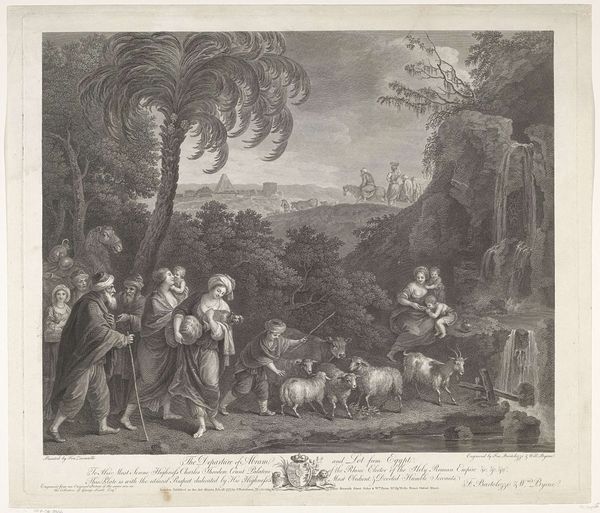
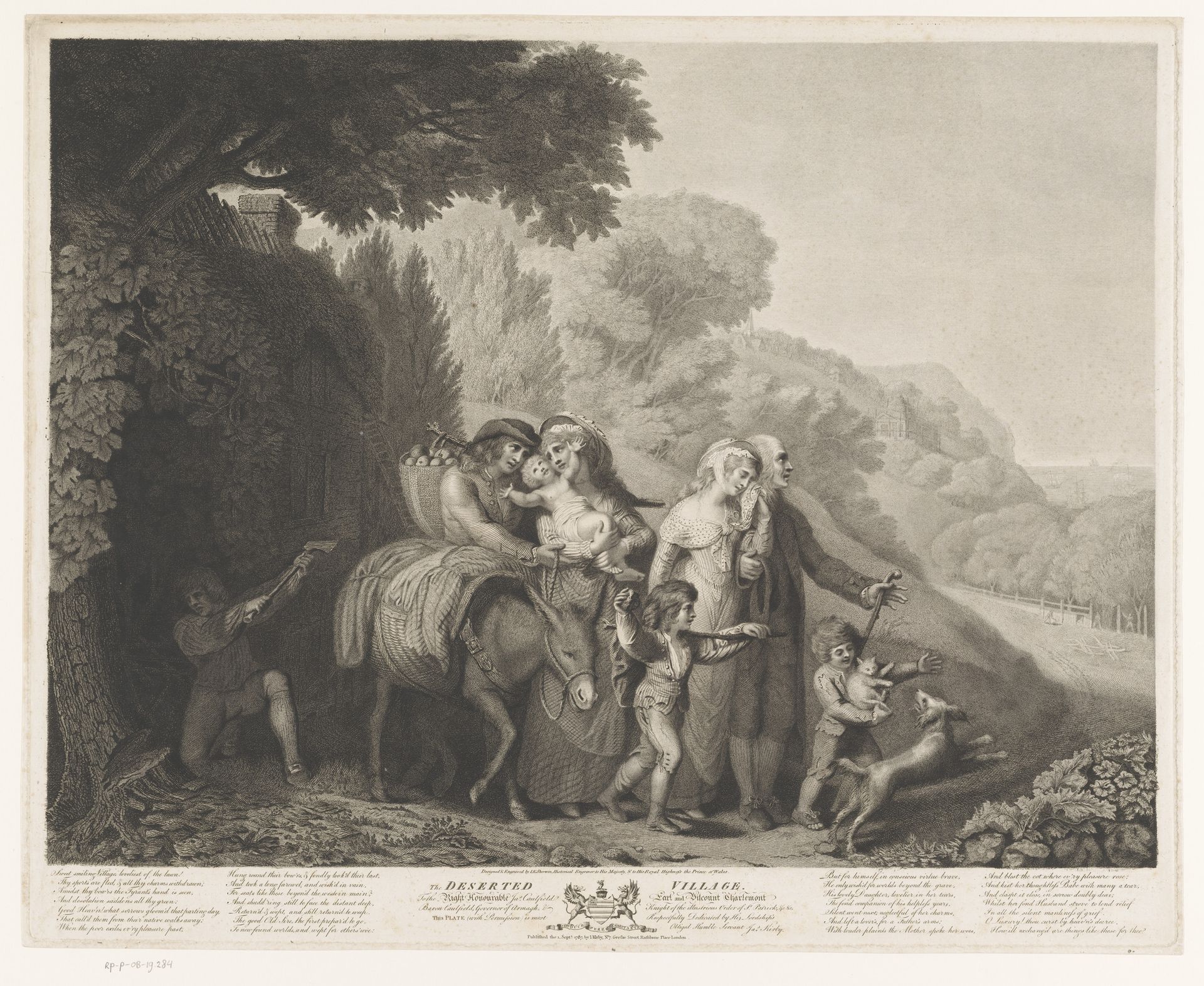
Twee families en een ezel lopen op een pad

Listen to curator's interpretation
Curatorial notes
John Keyse Sherwin’s print presents us with two families and an ass, walking a path, rendered in the late 18th century. The most striking visual symbol is the ass itself, laden with goods and bearing a family. Throughout history, the ass has carried a dual symbolism. In some contexts, it represents humility and patience, as seen in depictions of Christ's entry into Jerusalem. Yet, it can also symbolize stubbornness or foolishness. We see echoes of this duality in various cultural expressions, from ancient fables to medieval bestiaries, where animals often embody human traits. The image evokes a sense of wandering. One cannot help but wonder about the fate of these displaced people. The ass becomes a vessel of hope and resilience. The cyclical nature of such symbols reminds us that history is not linear. These cultural memories resurface, evolve, and take on new meanings, engaging us on a subconscious level.