1736 - 1749
Sugar box


Listen to curator's interpretation
Curatorial notes
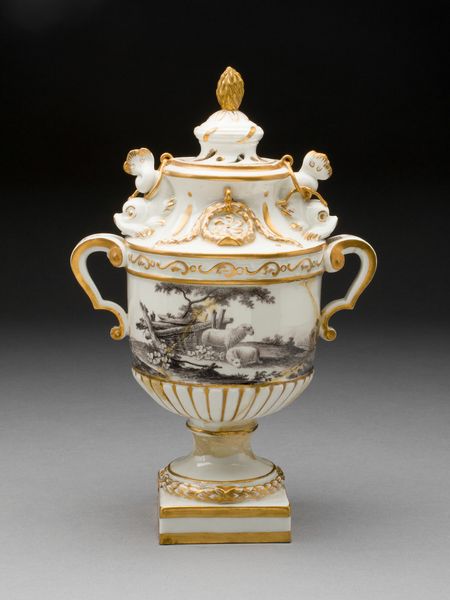
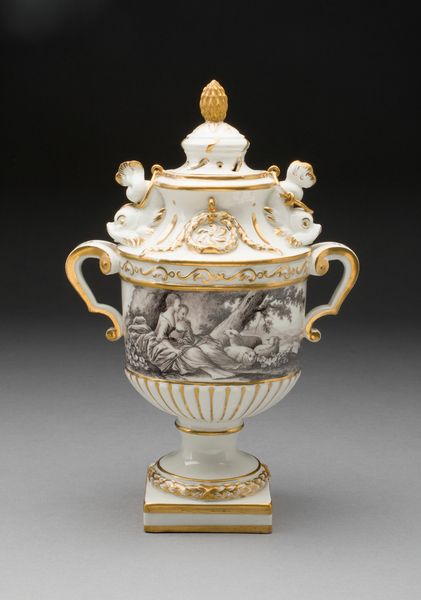
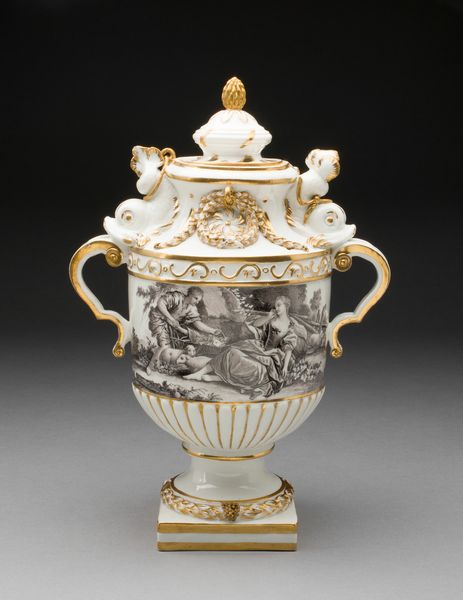
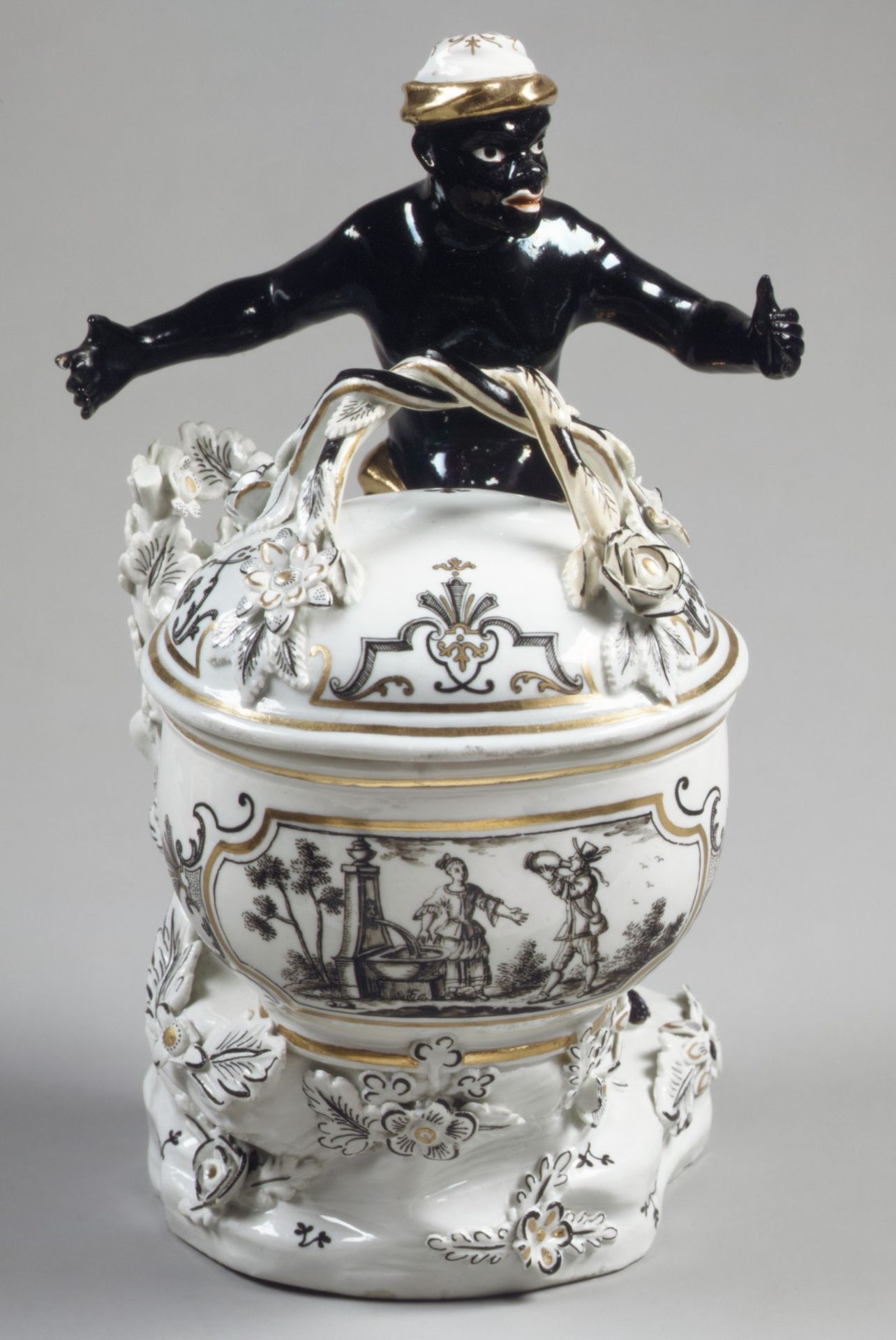
This porcelain sugar box was made in Vienna, Austria, at an unknown date. The box is supported by sculpted flowers, while the lid is topped by a Black figure with arms outstretched. The images decorating the box are idealized European scenes, but the enslaved figure represents a different, darker side of the 18th-century economy. Sugar was one of the products most associated with the brutal system of plantation slavery, as the sugar needed to sweeten European drinks and desserts was produced by the labor of enslaved people. Sugar boxes like these were used by wealthy families, and, objects such as this are strong reminders of the relationship between European luxury and colonial exploitation. The figure can be understood as a symbol of the dehumanization required to support the sugar trade. To understand this piece fully, historians study trade routes, colonial records, and the personal accounts of enslaved peoples. Art, like this sugar box, often holds uncomfortable truths about the societies that created it.