1663 - 1668
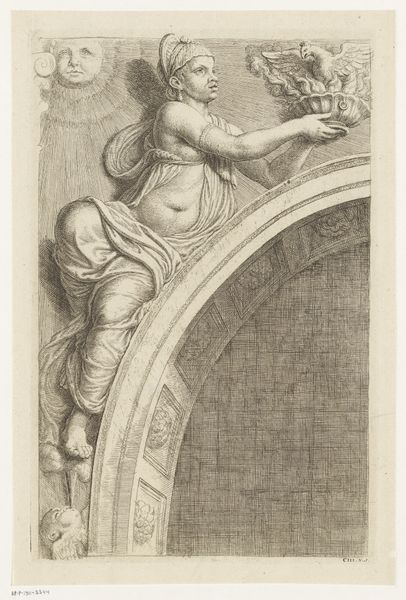
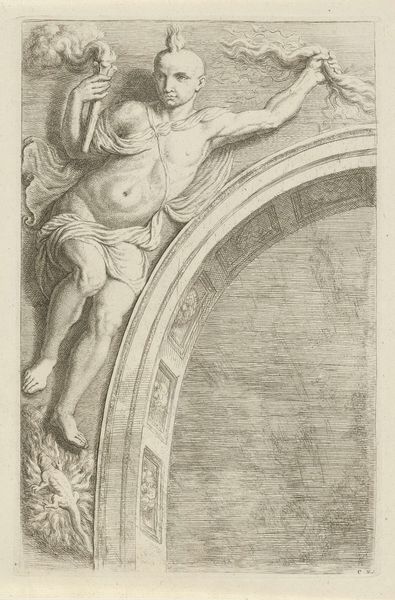
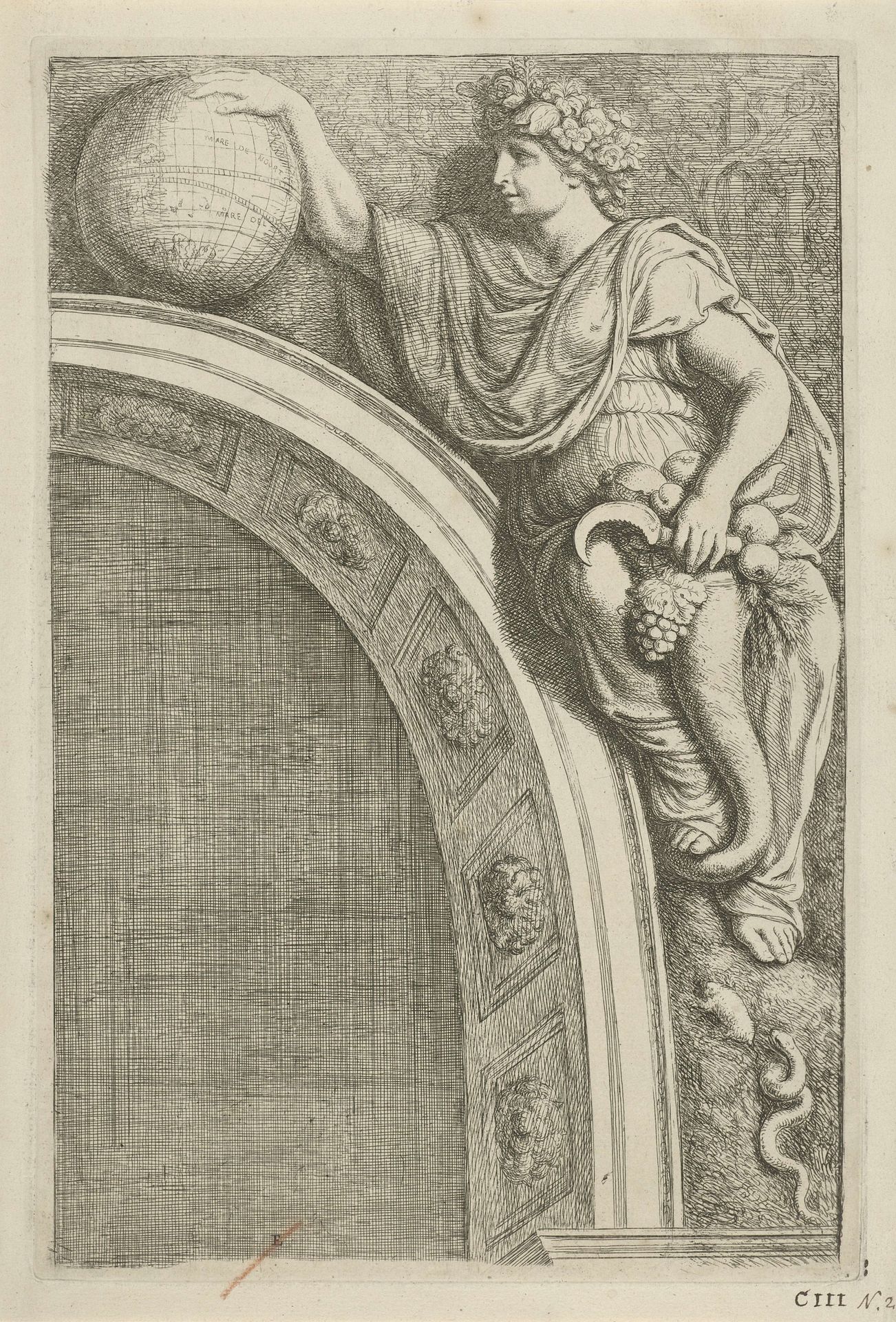
Reliëf met personificatie van het element Aarde boven boog aan westzijde van de Burgerzaal in het Stadhuis op de Dam

Hubert Quellinus
1619 - 1687Location
RijksmuseumListen to curator's interpretation
Curatorial notes
Hubert Quellinus created this relief with the personification of the element Earth above the arch on the west side of the Citizen’s Hall in Amsterdam’s Town Hall. It's a powerful statement about the city's global aspirations at the height of the Dutch Golden Age. Made around the middle of the 17th century, the relief uses classical imagery to represent Earth, with symbols of fertility, abundance, and dominion. Look closely and you can see that the figure’s placement above an arch in the Town Hall, now the Royal Palace, signals Amsterdam’s ambition to preside over a vast commercial empire. The Town Hall, designed by Jacob van Campen, was not simply a building, but an institution that embodied the values and ambitions of the city's ruling elite. The art within it, therefore, was carefully chosen to project an image of power, wisdom, and justice. To understand the relief fully, we need to look at archival sources, architectural plans, and civic records. That will tell us how the visual arts were deployed in the construction of Amsterdam's identity and the projection of its global power.