1687
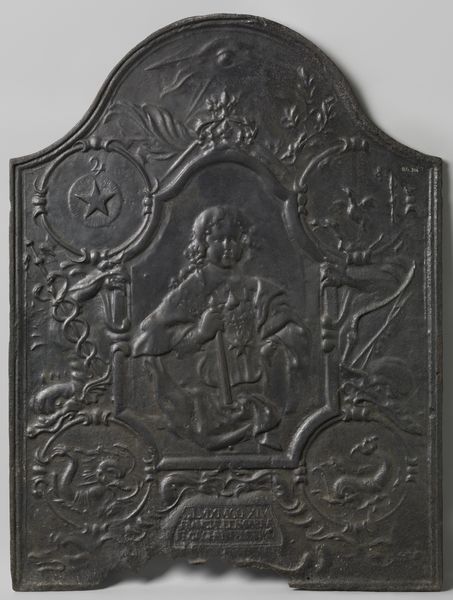
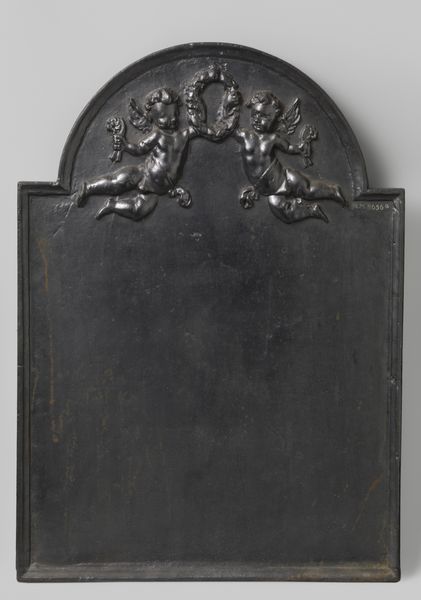
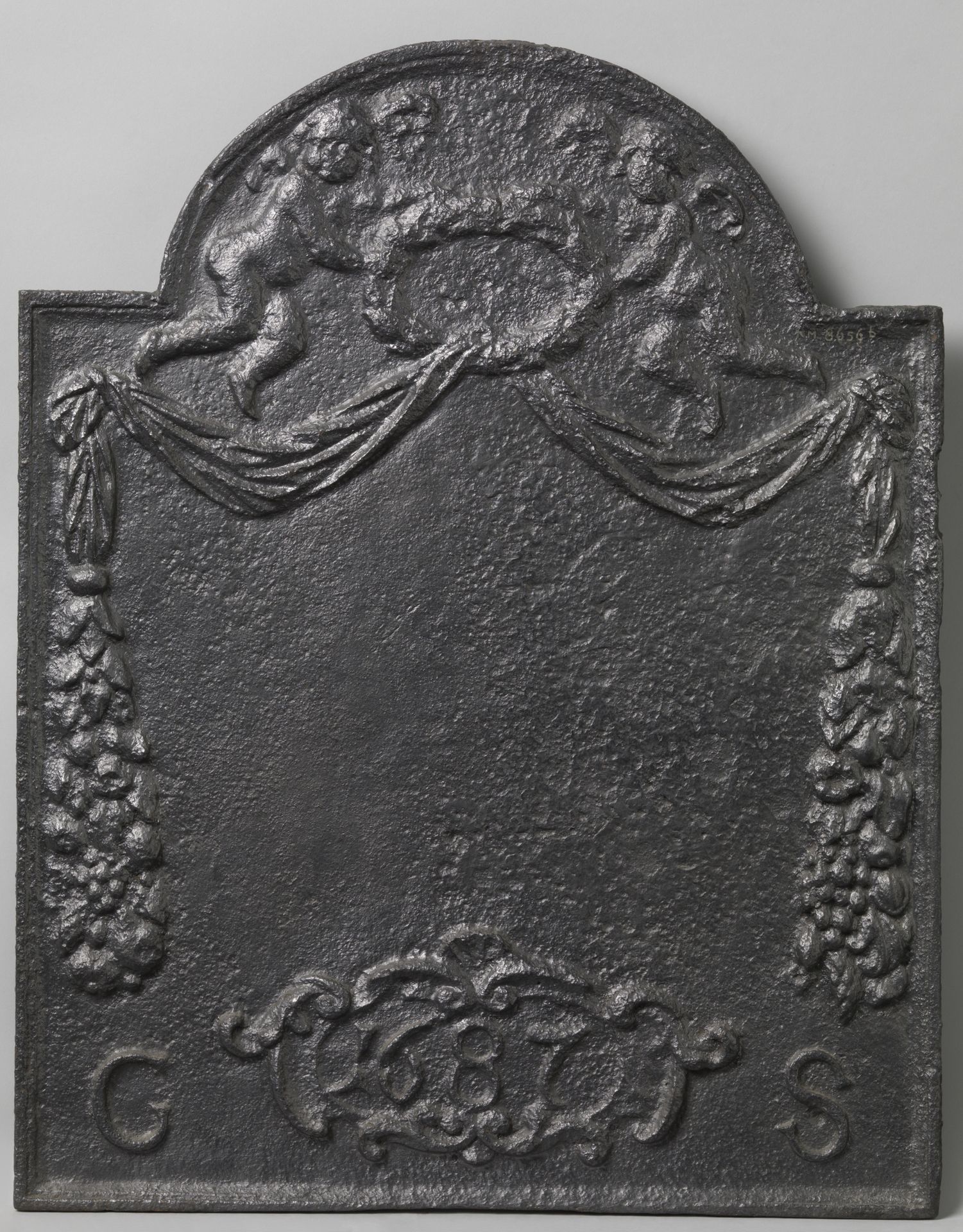
Haardplaat met een krans tussen twee putti

Anonymous
@anonymousLocation
RijksmuseumListen to curator's interpretation
Curatorial notes
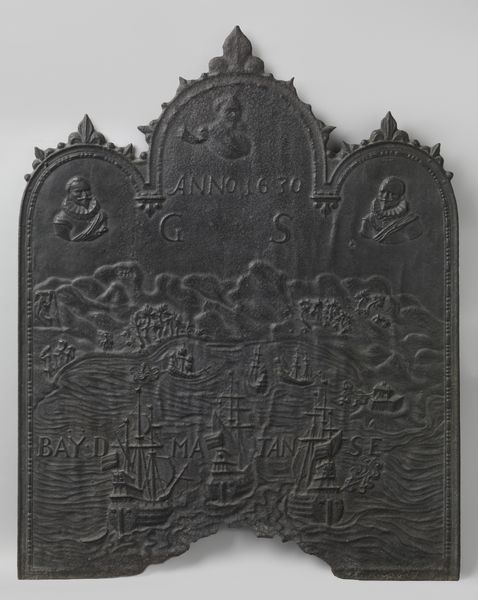
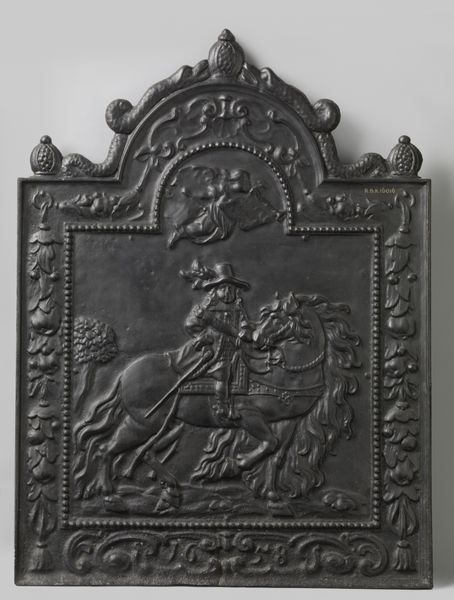
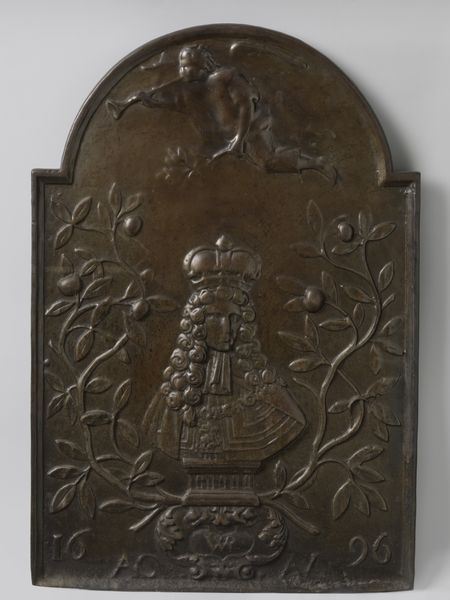
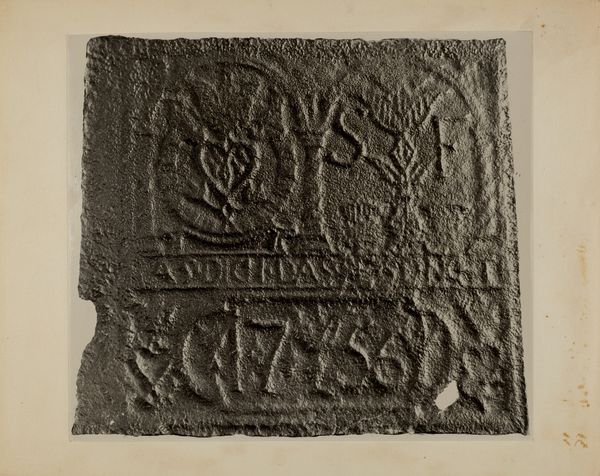
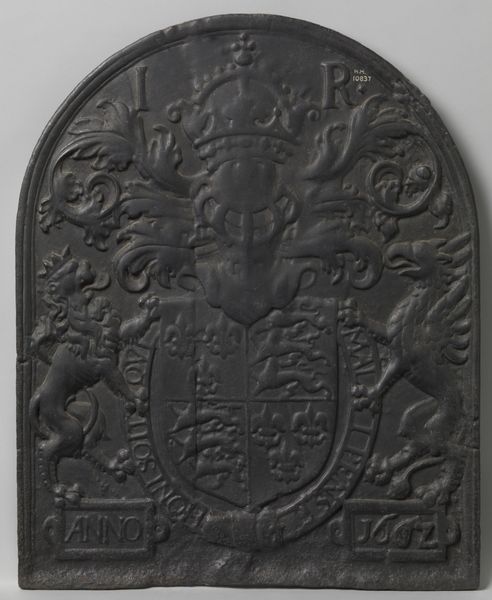
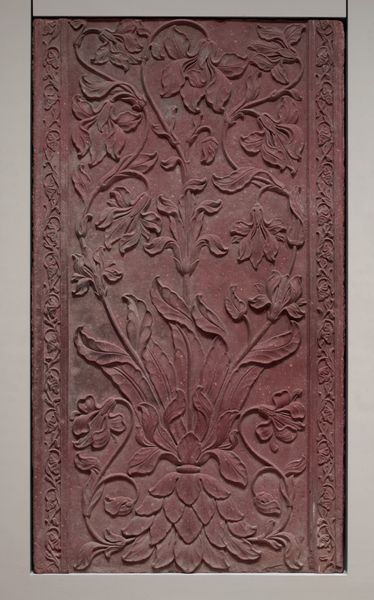
This cast-iron fireback, now held in the Rijksmuseum, presents a fascinating glimpse into Dutch domestic life. Though the maker is unknown, its design speaks volumes about the cultural values of its time. The image creates meaning through its classical motifs: putti holding a wreath, garlands of flowers, and symmetrical ornamentation. This visual vocabulary, originating in ancient Greece and Rome, was embraced by the Dutch elite as symbols of wealth and social status. By the 17th century, this had become a language of respectability, deployed by merchants and administrators alike. Firebacks like this protected walls from heat and radiated warmth, but they also announced the homeowner's embrace of refined taste. Researching the archives of Dutch foundries would reveal the social networks involved in producing and consuming such objects. We would also want to ask, in what ways did the growing middle class use art to shore up its power?