309 - 312
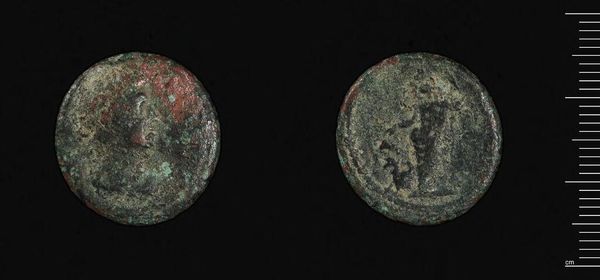
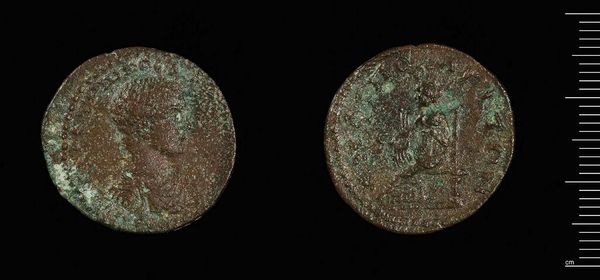
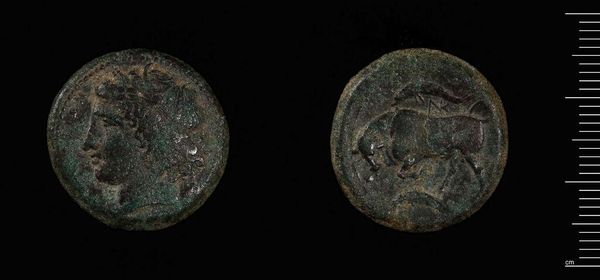
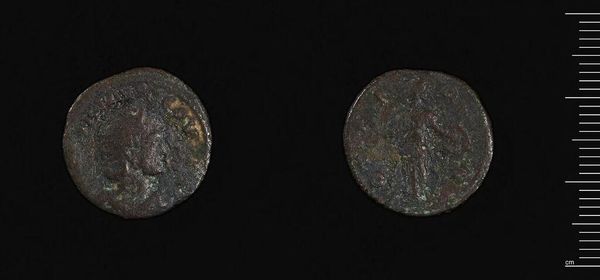
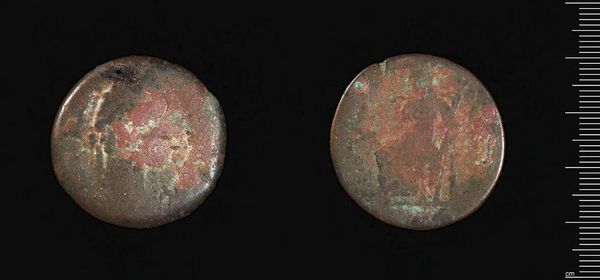
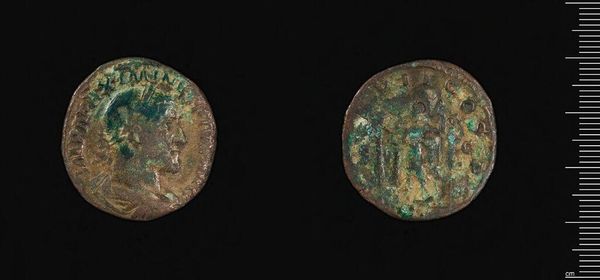
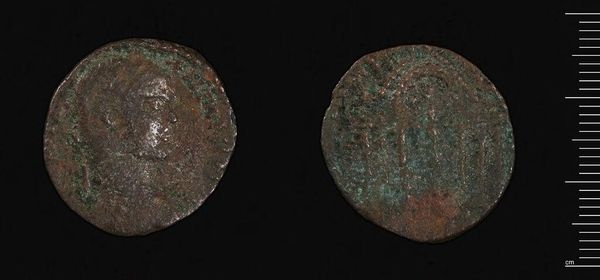
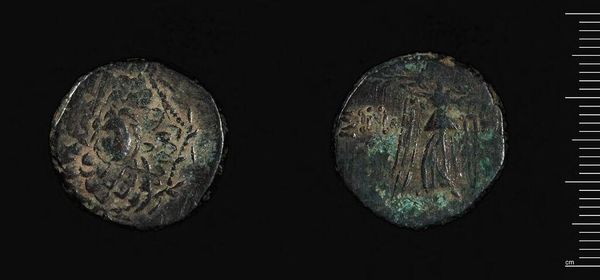
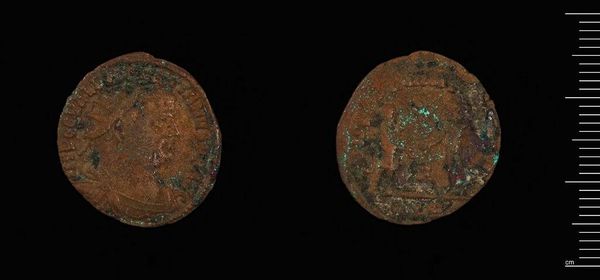
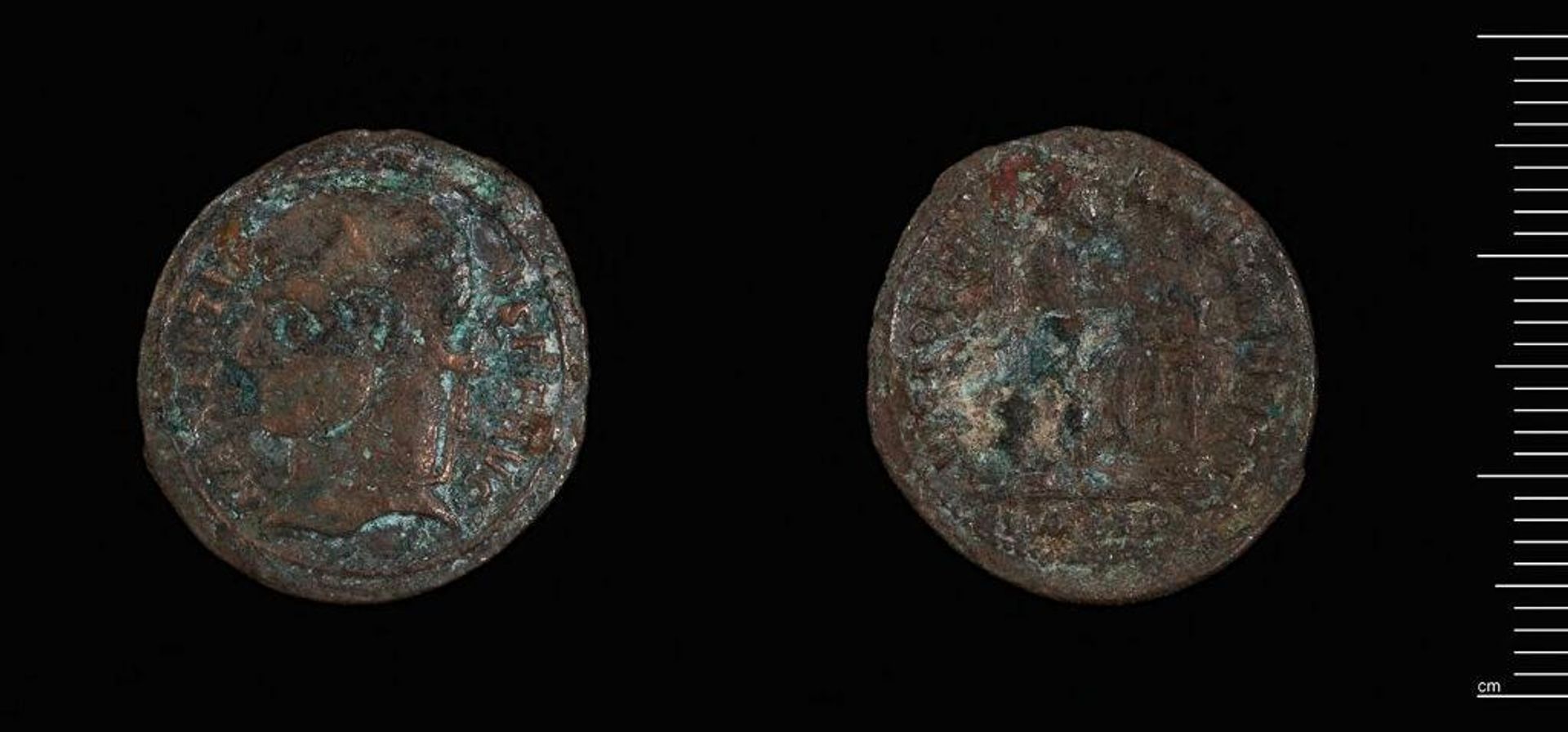
Follis of Maxentius, Ostia

Listen to curator's interpretation
Curatorial notes
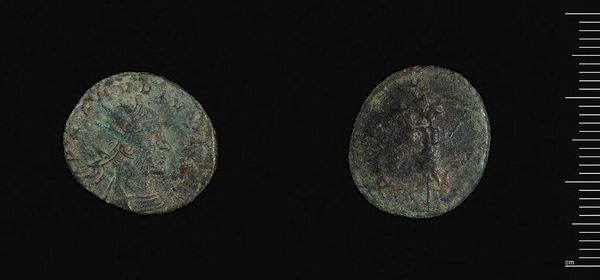
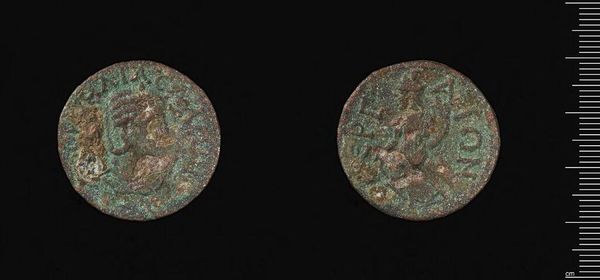
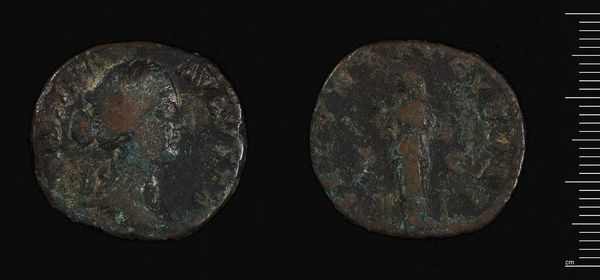
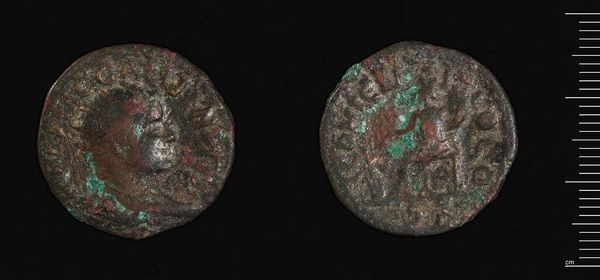
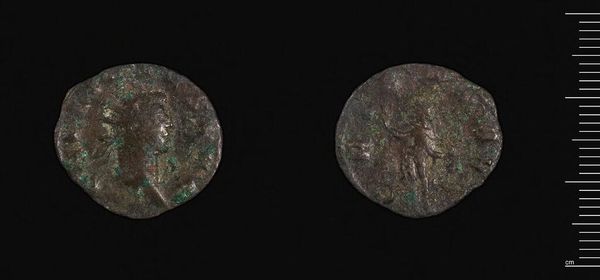
Curator: This is a follis of Maxentius, unearthed in Ostia, now residing in the Harvard Art Museums. Editor: It looks remarkably worn, like a relic whispering stories of power and decay. There's a certain gravitas in its aged texture. Curator: Indeed. Roman coins like this, minted under emperors like Maxentius, weren't mere currency; they were potent symbols of authority. The imagery served as propaganda. Editor: Exactly. Power isn't just asserted; it's visually constructed. Look at the portrait – likely idealized – and the inscription, carefully designed to convey legitimacy and strength. What narratives did Maxentius want to disseminate? Curator: The images and Latin inscriptions would invoke familiar virtues, validating his rule. Coins helped connect people to him and the Empire. Editor: And what does it mean to hold power in your pocket? The follis reminds us that authority permeates everyday life, a constant, tangible presence, even today. Curator: Reflecting on its journey, from Maxentius's grasp to our museum, the follis invites us to contemplate shifting meanings of authority and representation. Editor: It's a small object bearing the weight of history, prompting us to question the symbols and narratives we encounter today.