before 1903
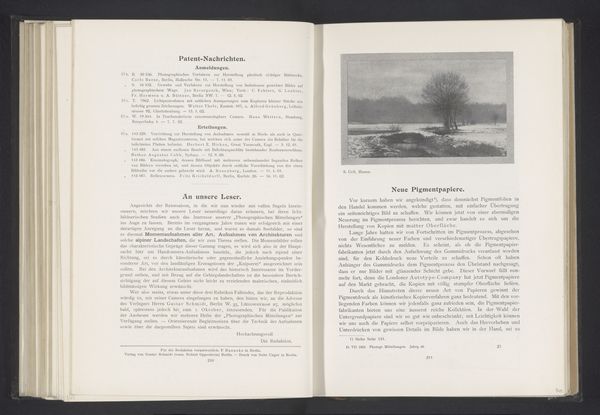
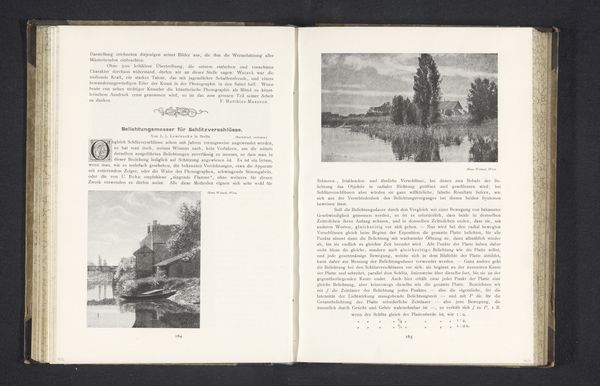
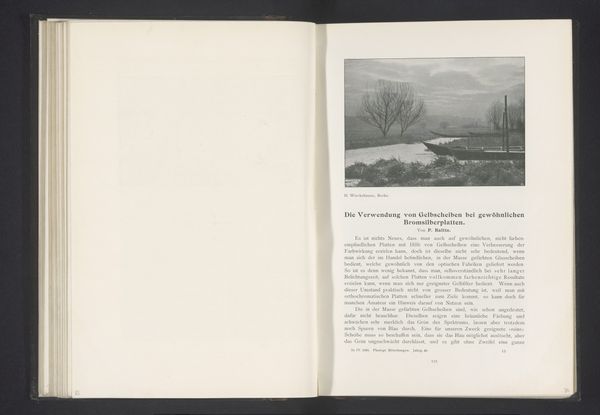
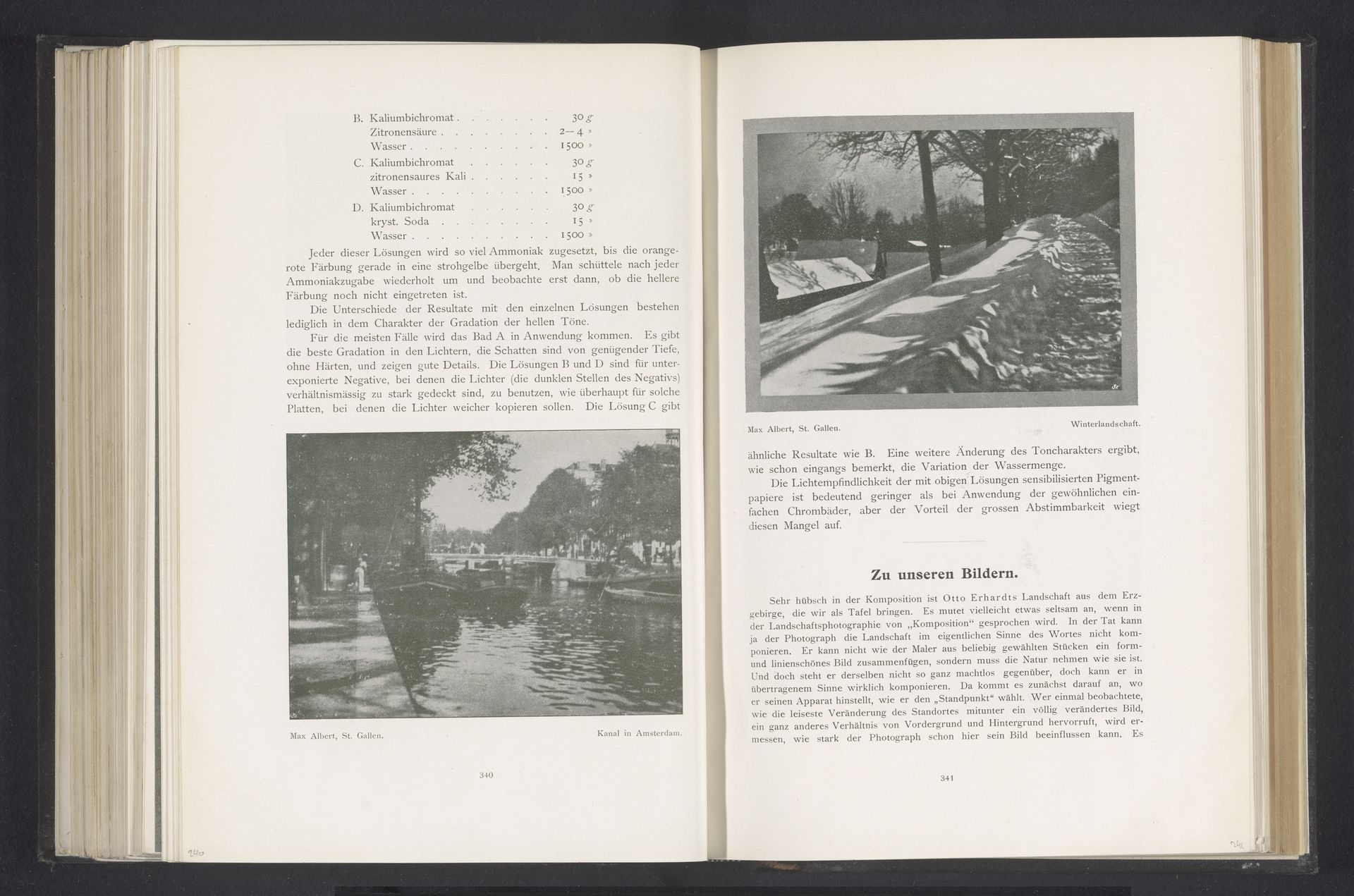
Gezicht op een gracht in Amsterdam

Listen to curator's interpretation
Curatorial notes
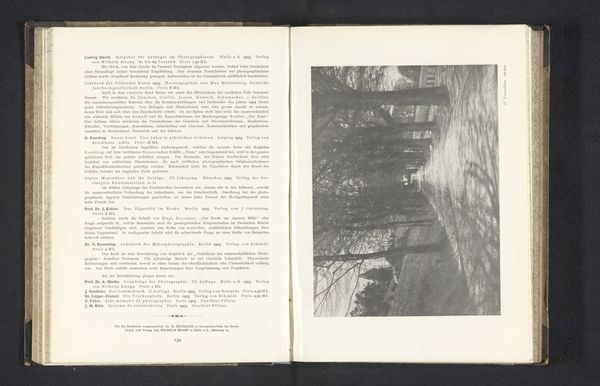
Curator: Welcome, everyone. I’d like to draw your attention to these striking black-and-white prints on display, specifically this one capturing a canal in Amsterdam by Max Albert. Although the exact date is unknown, it was created before 1903. Editor: It’s captivating! The immediate sense I get is of stillness and tranquility. The soft, almost muted tones create a kind of timelessness. I'm drawn to how the water seems to perfectly mirror the sky above. Curator: Absolutely. Considering this photograph was produced before the turn of the century, its very existence already suggests a burgeoning interest in capturing quotidian, often uncelebrated aspects of working-class existence, mirroring an increased visibility of the Dutch landscape both as picturesque subject, but also site of industry and labor. I want to also highlight Albert’s careful employment of the camera; through the lens he not only captures a still and picturesque scene, but the labor imbued in canal life. Editor: You know, for me the enduring image is the canal itself, its reflective surface suggesting that what we perceive is perhaps just a semblance of a deeper reality. What are your thoughts? Is that a valid approach? Curator: Oh, of course. We are looking, after all, at a period defined by tremendous social upheaval across Western Europe. The water can represent shifting and unstable class hierarchies. Perhaps it gestures towards a submerged world—out of sight and under the water. Editor: It seems to me that one aspect of photography is its uncanny ability to distill complex notions down to a single image, to encapsulate multiple viewpoints through a fixed frame, don't you think? Curator: Yes, its fascinating to examine photography from a critical framework, not only because photography emerged out of new economic paradigms, but because, to your point, they continue to mirror that fluidity even as technological practices shifted. I really appreciated seeing the depth of engagement. Thank you. Editor: My pleasure. Seeing how various themes seem to be layered within its visual makeup, from social issues to history, provides fresh insight on Amsterdam and it's enduring significance to photography.