About this artwork
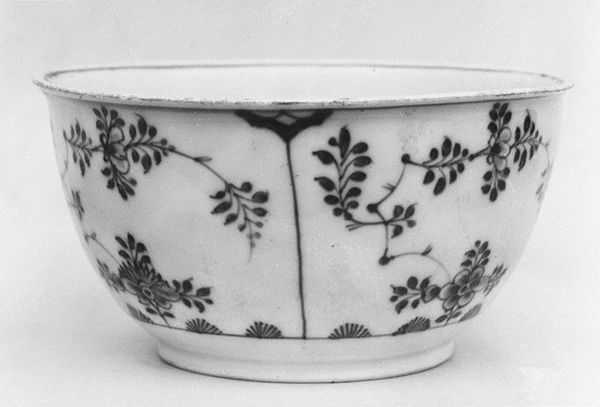
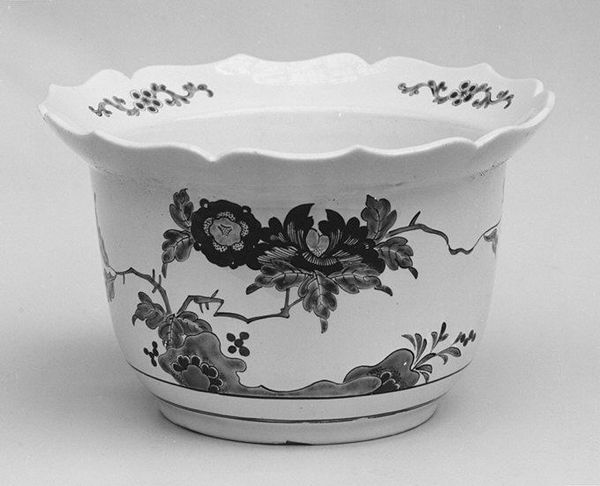
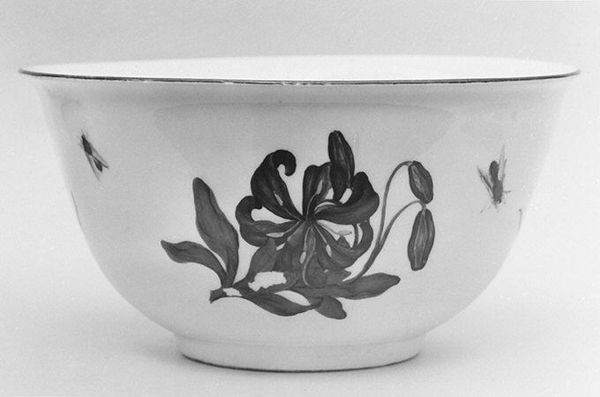
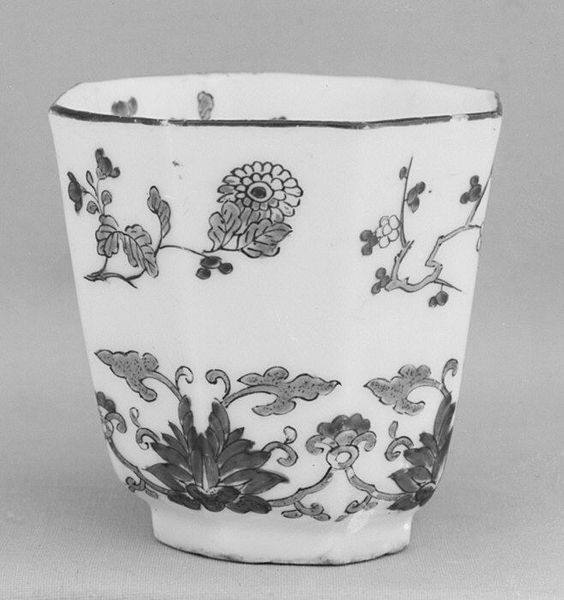
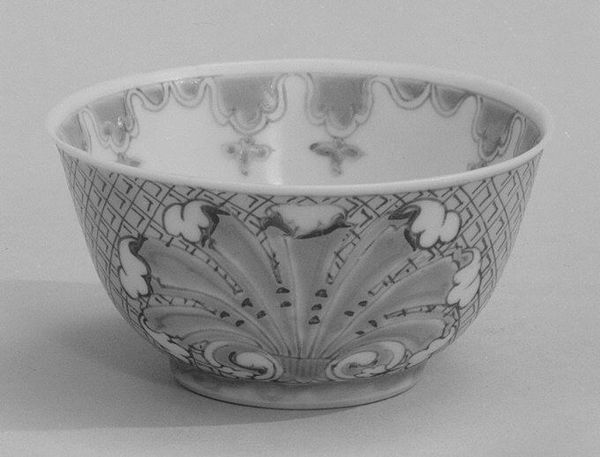
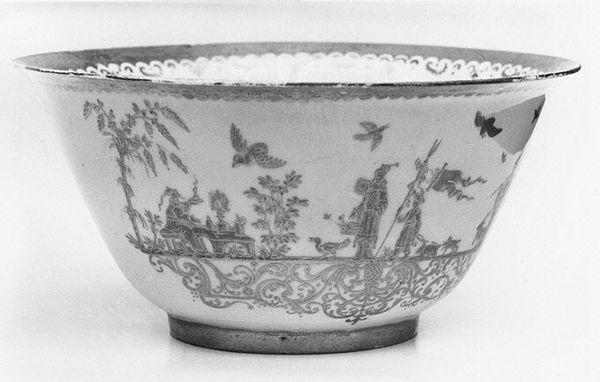
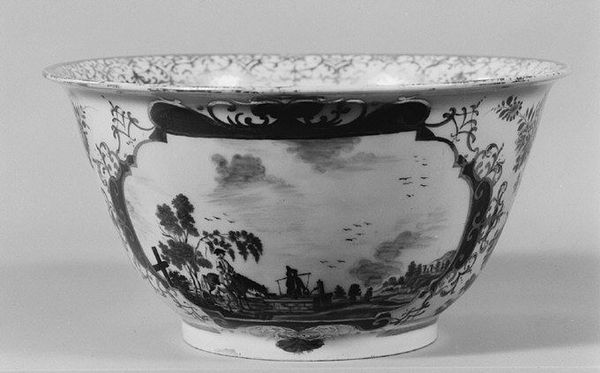
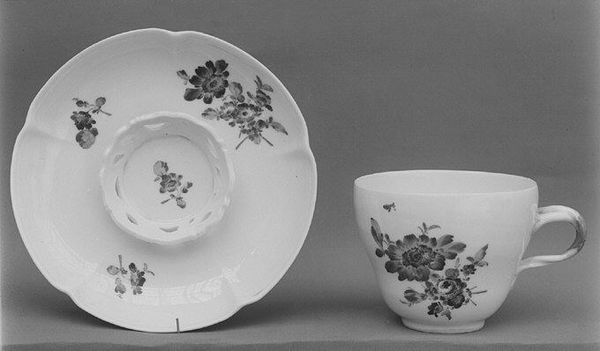
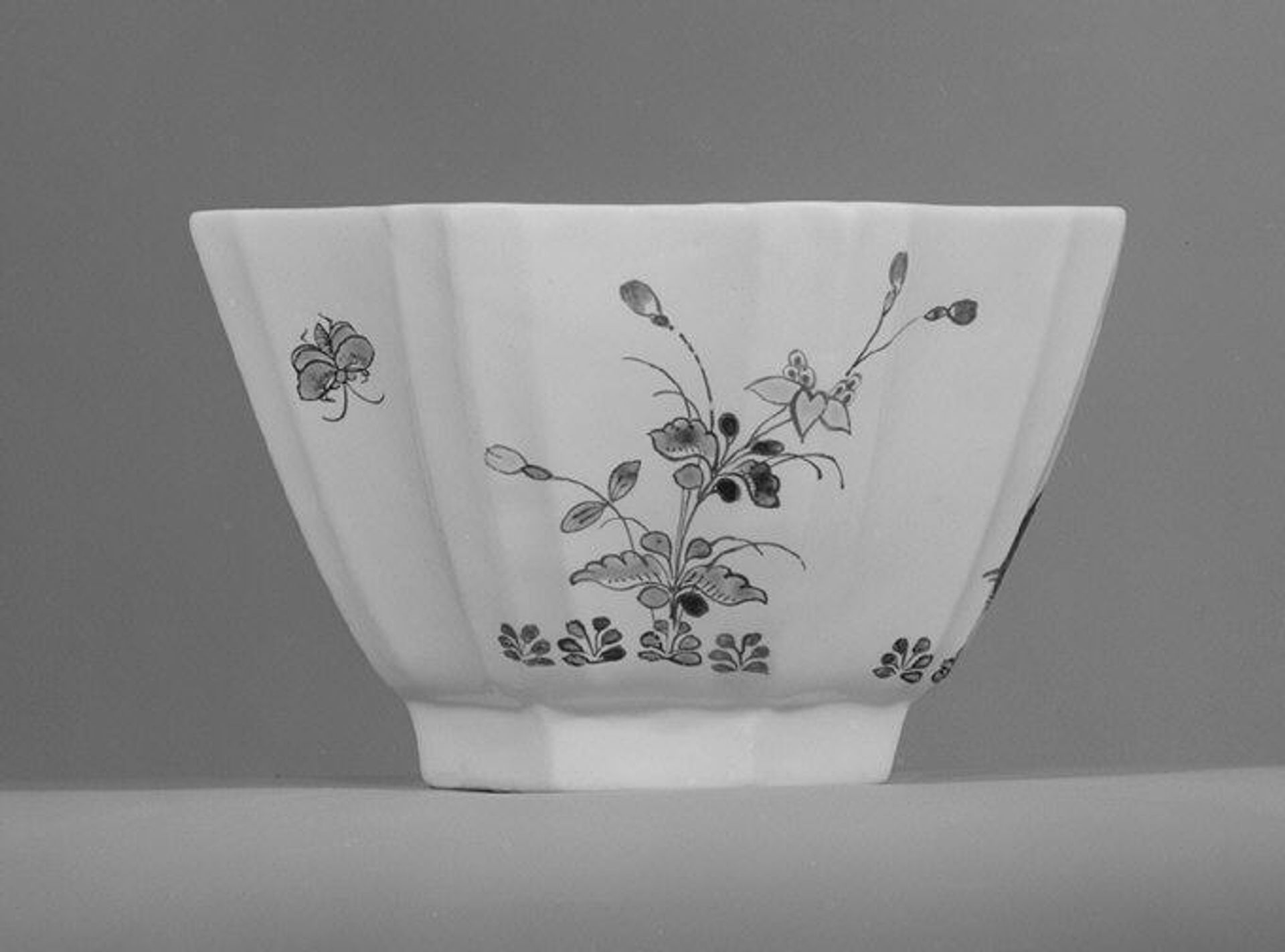
This bowl was made by the porcelain factory at Chantilly. We can see the bowl’s distinct form and decoration due to its material, soft-paste porcelain. Soft-paste porcelain, developed in France, imitates Chinese hard-paste porcelain. The smooth, white surface invites painted decoration, though the delicate material is difficult to handle and can slump in the kiln. The process requires complex recipes and techniques that are not easy to master, and for this reason, porcelain production was overseen by skilled artisans. Here, the Chantilly factory have chosen a refined, delicate floral pattern. Factories like Chantilly catered to aristocratic tastes, manufacturing luxury goods for the court and wealthy elite. While porcelain may seem distant from the concerns of labor and class, the production of such objects depended on the specialized labor of skilled artisans and reveals the social and economic structures of the time. By understanding materials, processes, and historical context, we appreciate the artistry and social significance embodied in this seemingly simple bowl.
Bowl 1725 - 1745


Artwork details
- Medium
- ceramic, porcelain
- Dimensions
- 2 5/16 × 4 1/8 in. (5.9 × 10.5 cm)
- Location
- Metropolitan Museum of Art, New York, NY
- Copyright
- Public Domain
Tags
ceramic
porcelain
decorative-art
rococo
Comments
No comments
About this artwork
This bowl was made by the porcelain factory at Chantilly. We can see the bowl’s distinct form and decoration due to its material, soft-paste porcelain. Soft-paste porcelain, developed in France, imitates Chinese hard-paste porcelain. The smooth, white surface invites painted decoration, though the delicate material is difficult to handle and can slump in the kiln. The process requires complex recipes and techniques that are not easy to master, and for this reason, porcelain production was overseen by skilled artisans. Here, the Chantilly factory have chosen a refined, delicate floral pattern. Factories like Chantilly catered to aristocratic tastes, manufacturing luxury goods for the court and wealthy elite. While porcelain may seem distant from the concerns of labor and class, the production of such objects depended on the specialized labor of skilled artisans and reveals the social and economic structures of the time. By understanding materials, processes, and historical context, we appreciate the artistry and social significance embodied in this seemingly simple bowl.
Comments
No comments