About this artwork
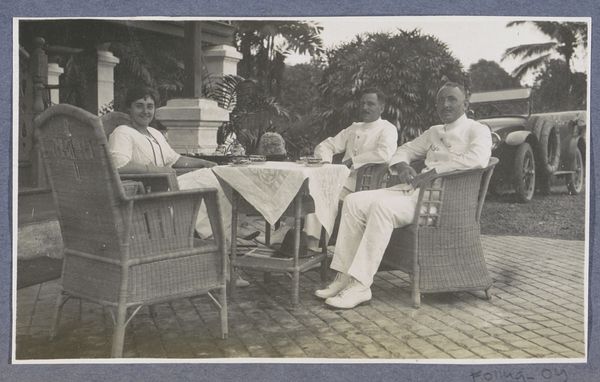
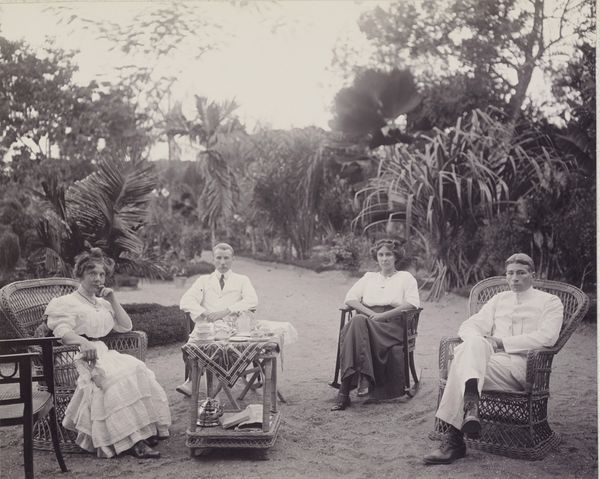
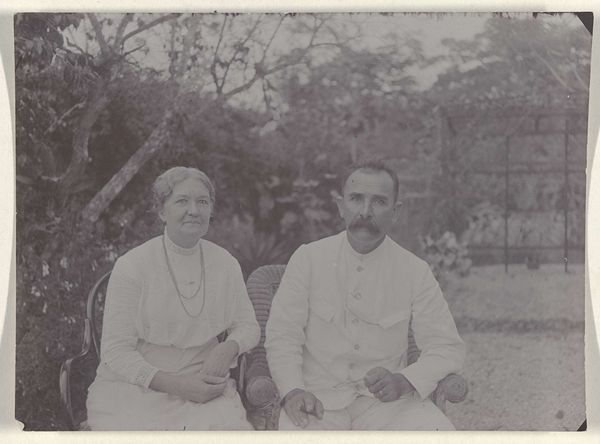
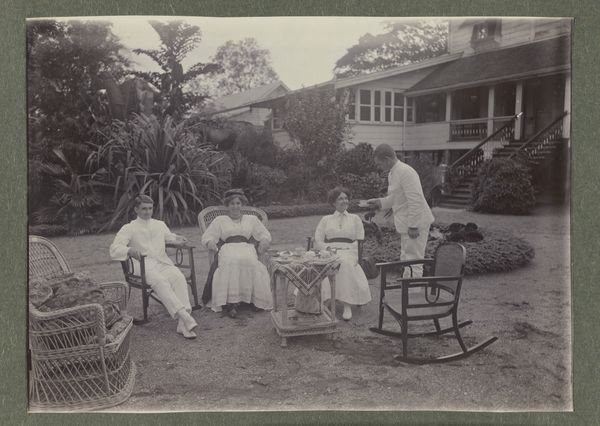
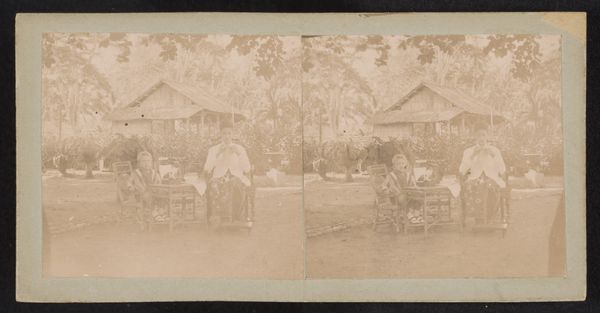
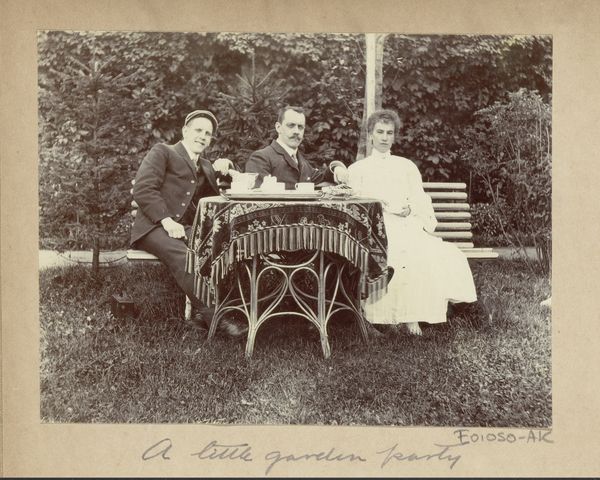
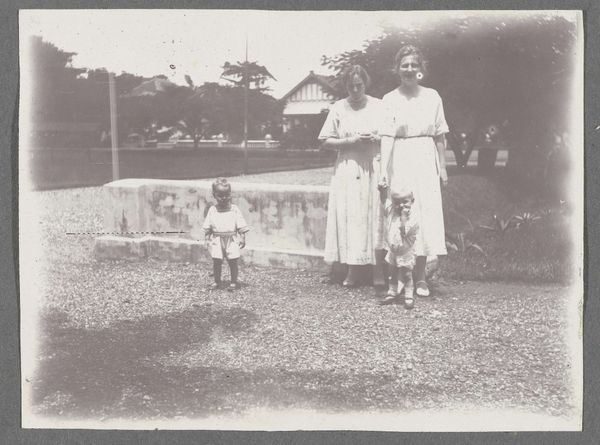
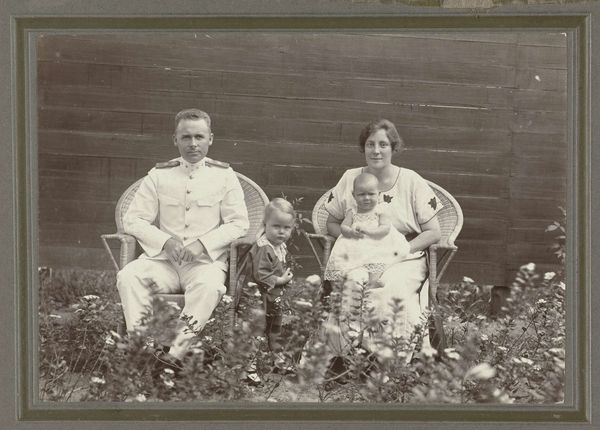
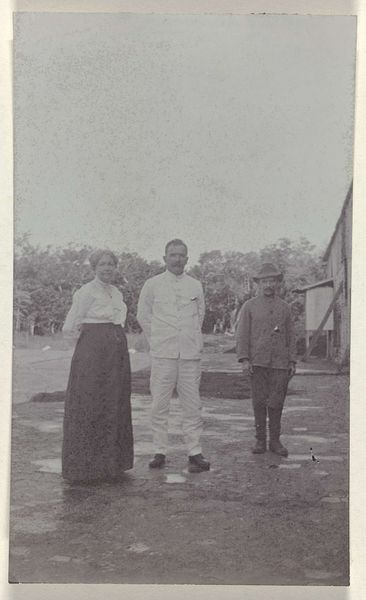
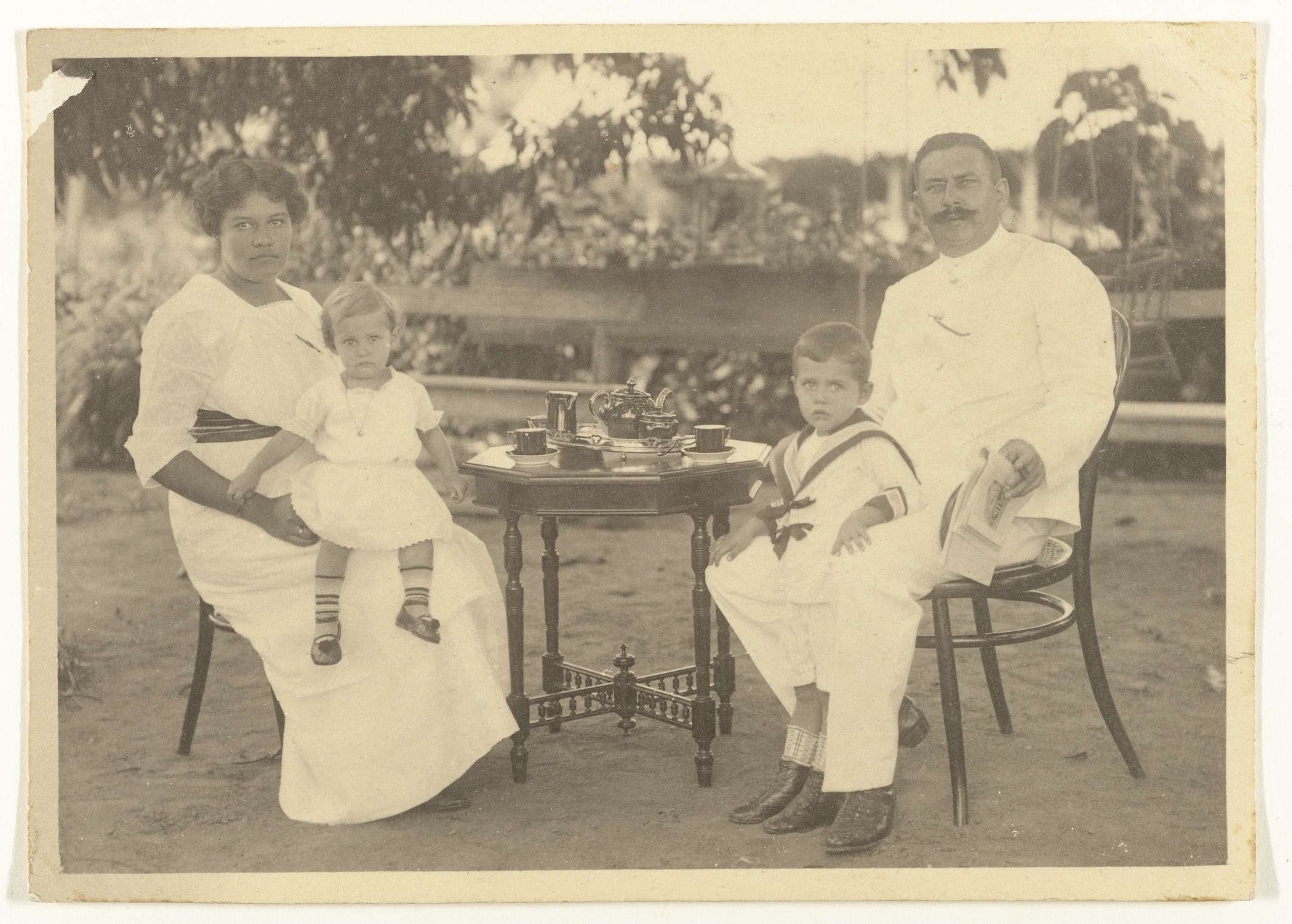
This photograph, "Familie Brouwers drinkt thee op de plantage Accaribo, Suriname," is a snapshot of colonial life. It's tough to know exactly when this was made or by whom, which means we're already dealing with a kind of found object, a bit of a mystery. The sepia tones give it a ghostly feel. It’s easy to see the figures bathed in the light of the day, all their forms are present, but the detail in the shadows is less certain. The Brouwers are positioned formally around the tea table, as though their identities are tightly bound up in their place in this scene. It’s a moment of privilege, but also a construction, a staged performance. That careful composition, though, gives way to something more unsettling: the stark contrast between light and shadow. Maybe that interplay is what’s really at the heart of this image: the dance of surface and depth, clarity and obfuscation. It reminds me a little of some of the great history painters like Manet, who was so good at revealing the underlying artificiality of the grand tradition.
Familie Brouwers drinkt thee op de plantage Accaribo, Suriname
1916

Anonymous
@anonymousLocation
RijksmuseumArtwork details
- Medium
- print, photography, albumen-print
- Dimensions
- height 119 mm, width 152 mm
- Location
- Rijksmuseum
- Copyright
- Rijks Museum: Open Domain
Tags
portrait
print photography
archive photography
photography
historical photography
genre-painting
albumen-print
Comments
Be the first to share your thoughts about this work.
About this artwork
This photograph, "Familie Brouwers drinkt thee op de plantage Accaribo, Suriname," is a snapshot of colonial life. It's tough to know exactly when this was made or by whom, which means we're already dealing with a kind of found object, a bit of a mystery. The sepia tones give it a ghostly feel. It’s easy to see the figures bathed in the light of the day, all their forms are present, but the detail in the shadows is less certain. The Brouwers are positioned formally around the tea table, as though their identities are tightly bound up in their place in this scene. It’s a moment of privilege, but also a construction, a staged performance. That careful composition, though, gives way to something more unsettling: the stark contrast between light and shadow. Maybe that interplay is what’s really at the heart of this image: the dance of surface and depth, clarity and obfuscation. It reminds me a little of some of the great history painters like Manet, who was so good at revealing the underlying artificiality of the grand tradition.
Comments
Be the first to share your thoughts about this work.