1783 - 1795
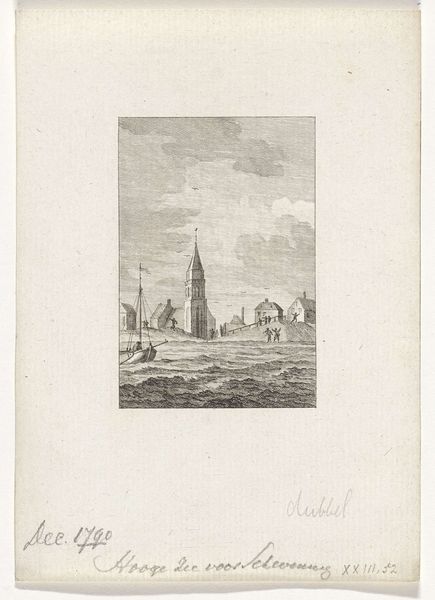
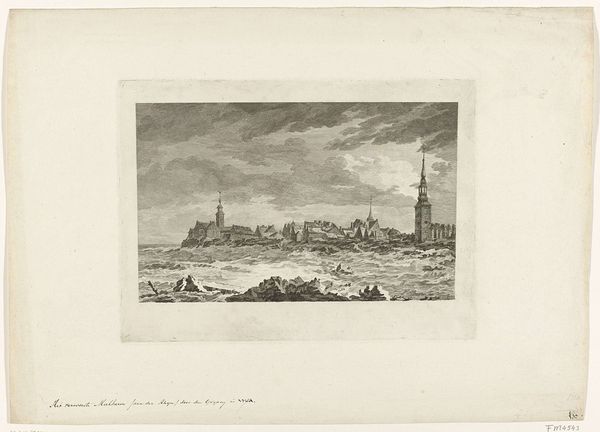
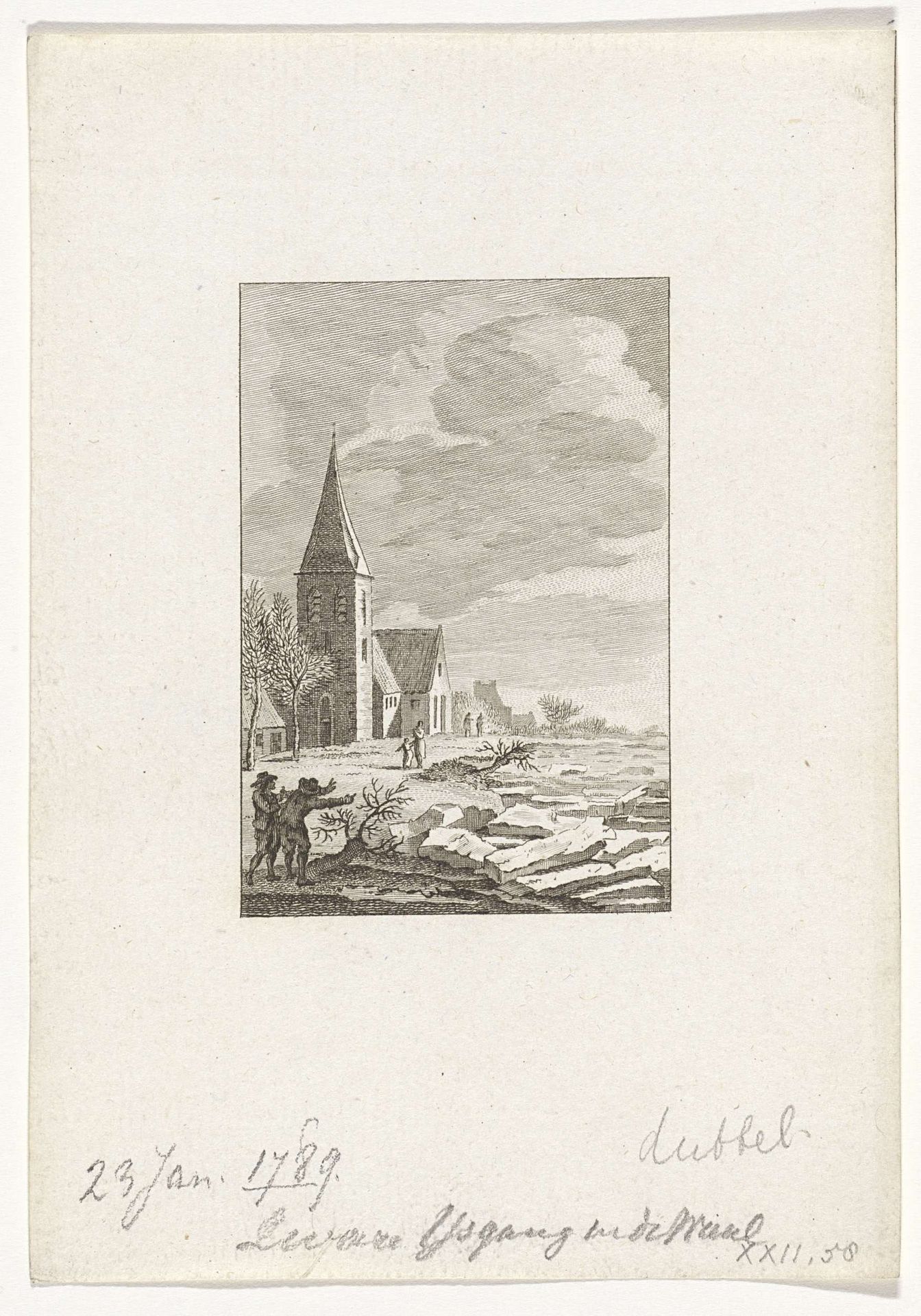
Kruiend ijs aan de Waal, 1789

Reinier Vinkeles
1741 - 1816Location
RijksmuseumListen to curator's interpretation
Curatorial notes
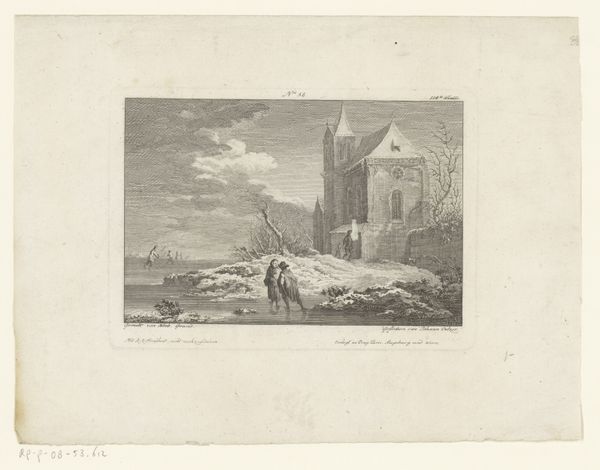
Editor: This is *Kruiend ijs aan de Waal, 1789*, or "Drifting Ice on the Waal," a black ink drawing by Reinier Vinkeles from the late 18th century, currently housed in the Rijksmuseum. It feels desolate; the jagged ice, the stark church… What can you tell me about it? Curator: It captures a specific, almost apocalyptic moment in Dutch history. Consider the drifting ice itself. Ice is a symbol, isn’t it? Here, it suggests the overwhelming power of nature, disrupting societal order, a "state of exception." But tell me, what’s the most striking symbolic element to *you*? Editor: Probably the church steeple rising above the chaos, right? Curator: Precisely! A constant, seemingly unmovable point. The church would’ve been a symbol of resilience, perhaps even divine protection during uncertain times. This interplay of chaos and order is a powerful symbolic language. Now consider how these images might speak to collective memory. Editor: So, it's not just about a literal depiction of a cold winter, but also a reflection on Dutch resilience, like a visual time capsule? I guess the date inscribed on the paper reinforces that specific moment in time. Curator: Exactly! Cultural memory crystallizes around potent images. They allow people to relive and renegotiate historical moments through symbol-laden representations. Images carry emotional weight. What feelings do you think the artist, or even contemporary viewers, were trying to elicit and share? Editor: Definitely anxiety about the future, but perhaps also a sense of shared experience and endurance in a hostile world? I never considered how symbols carry emotional history. Curator: Indeed. Understanding this gives us greater empathy with people long gone but connected to us, still, by visual experience and cultural understanding.