About this artwork
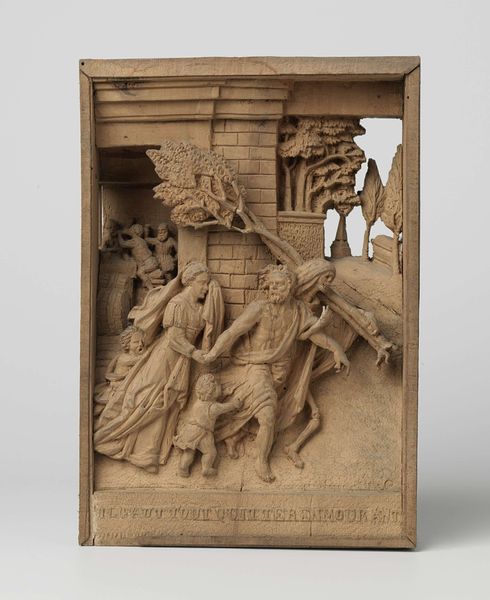
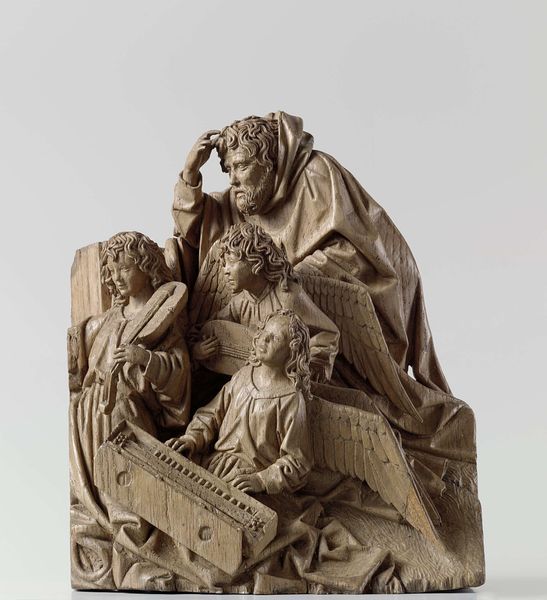
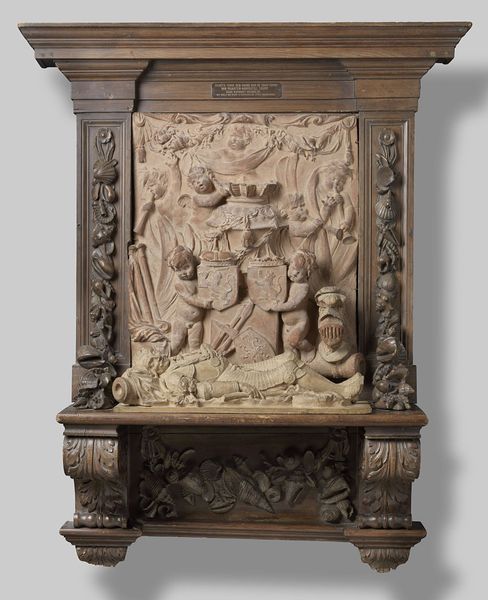
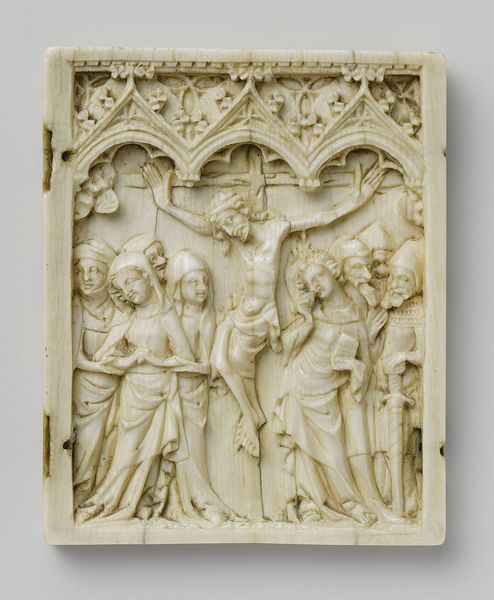
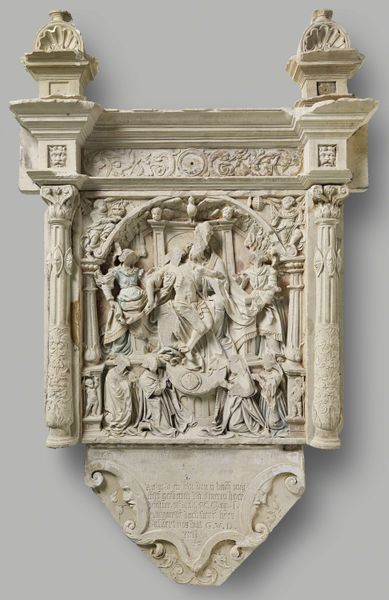
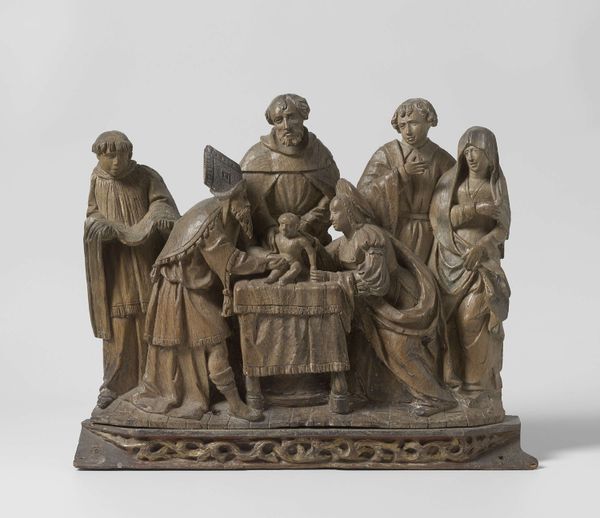
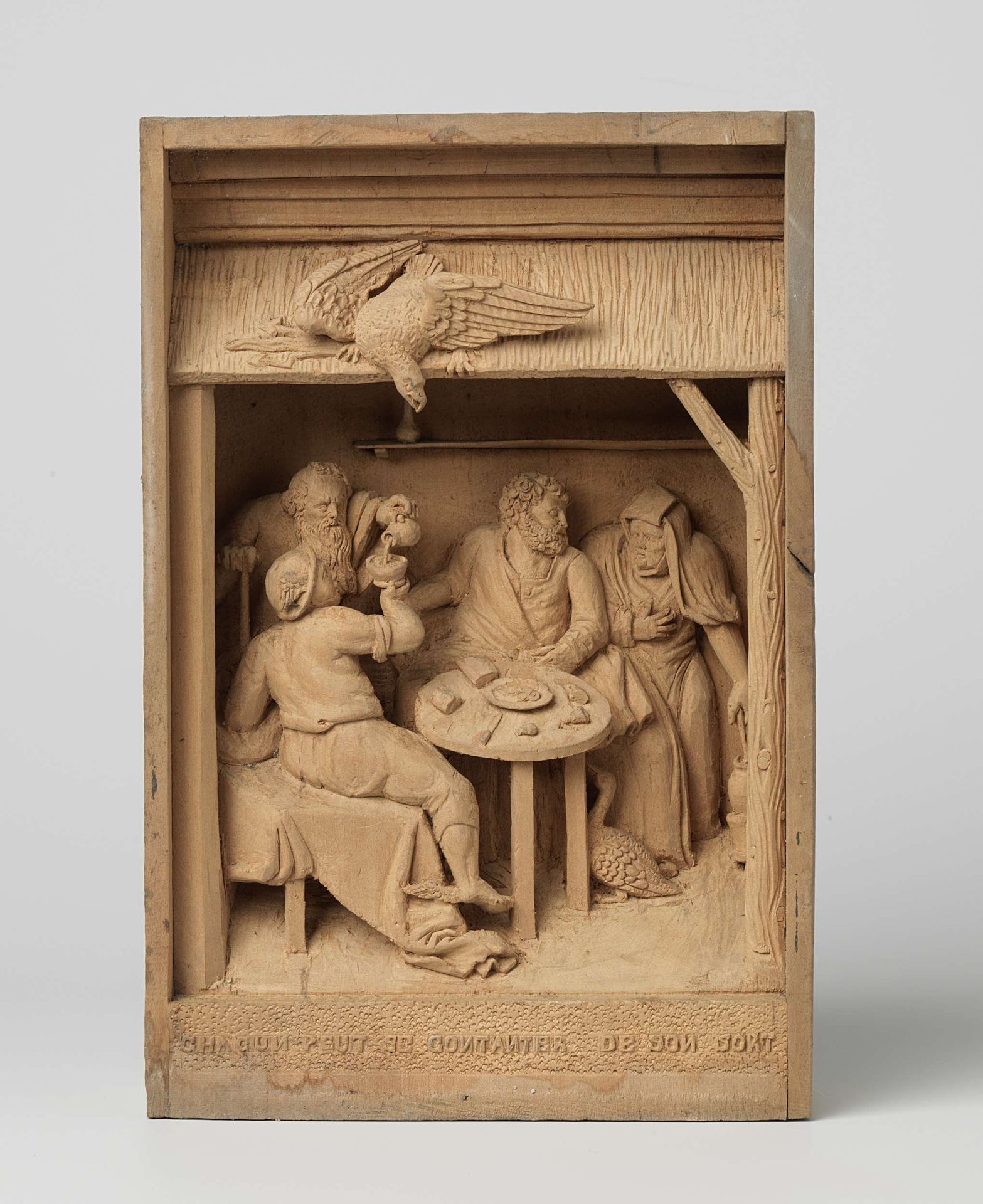
Sebastian Steiner carved this limewood relief, depicting Baucis and Philemon Entertaining Jupiter and Mercury, in the 19th century. The scene, derived from Ovid's Metamorphoses, is rich in symbolism. Look closely and you will see the goose, a symbol of domesticity and sacrifice, which the elderly couple attempts to offer their divine guests. Consider the eagle perched above; a clear allusion to Jupiter. It reminds us of the Roman Empire’s standards, where the eagle was a symbol of imperial power and divine authority. This symbol has continuously reappeared throughout history in various forms. We see it, for example, in Charlemagne's Carolingian Empire. Observe how the composition creates a sense of intimate domesticity, but also heightened drama. The emotional weight of this scene is the recognition of the divine within the mundane. This motif continues through time, constantly evolving and carrying new layers of meaning.

Artwork details
- Medium
- carving, relief, sculpture, wood
- Dimensions
- height 23 cm, width 15 cm, depth 6 cm
- Copyright
- Rijks Museum: Open Domain
Tags
carving
narrative-art
sculpture
relief
ancient-mediterranean
sculpture
19th century
wood
history-painting
Comments
Be the first to share your thoughts about this work.
About this artwork
Sebastian Steiner carved this limewood relief, depicting Baucis and Philemon Entertaining Jupiter and Mercury, in the 19th century. The scene, derived from Ovid's Metamorphoses, is rich in symbolism. Look closely and you will see the goose, a symbol of domesticity and sacrifice, which the elderly couple attempts to offer their divine guests. Consider the eagle perched above; a clear allusion to Jupiter. It reminds us of the Roman Empire’s standards, where the eagle was a symbol of imperial power and divine authority. This symbol has continuously reappeared throughout history in various forms. We see it, for example, in Charlemagne's Carolingian Empire. Observe how the composition creates a sense of intimate domesticity, but also heightened drama. The emotional weight of this scene is the recognition of the divine within the mundane. This motif continues through time, constantly evolving and carrying new layers of meaning.
Comments
Be the first to share your thoughts about this work.