About this artwork
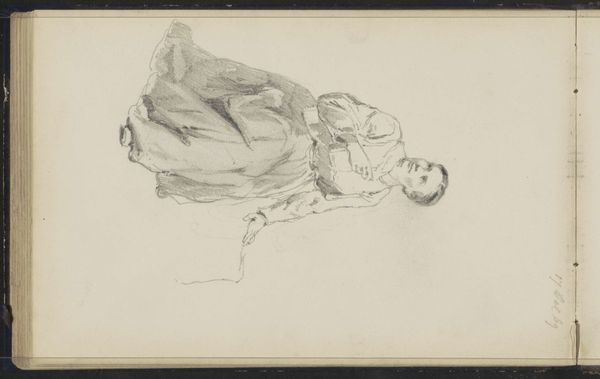
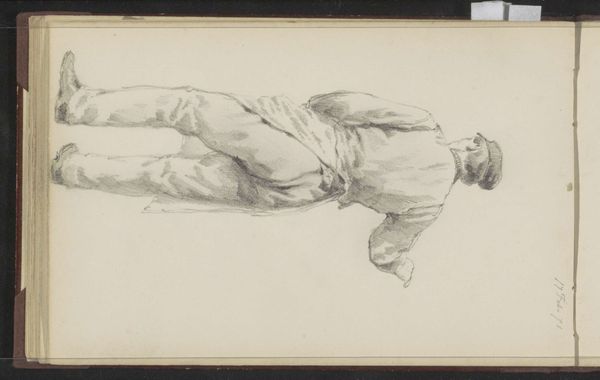
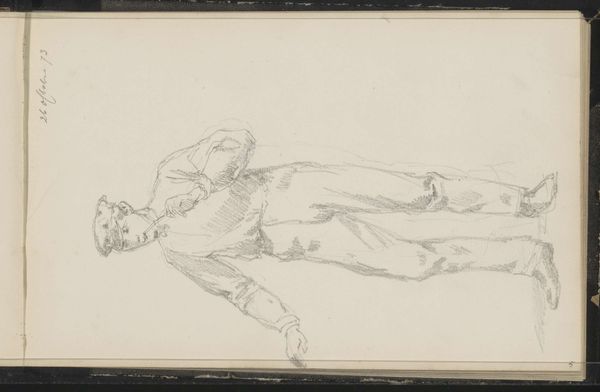
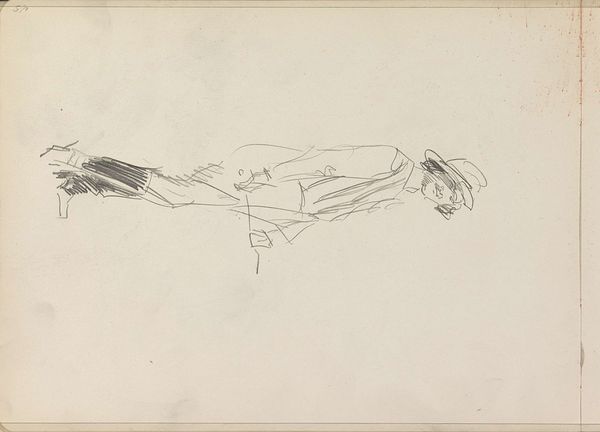
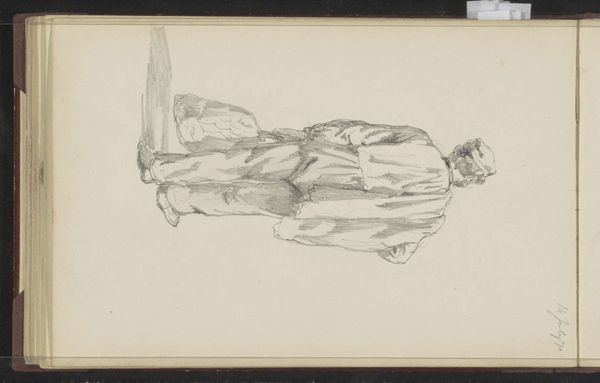
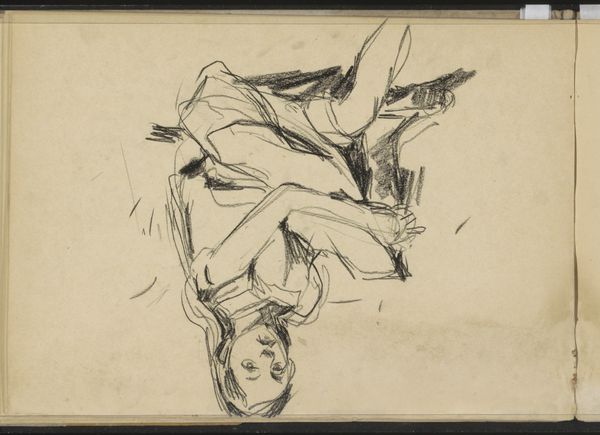
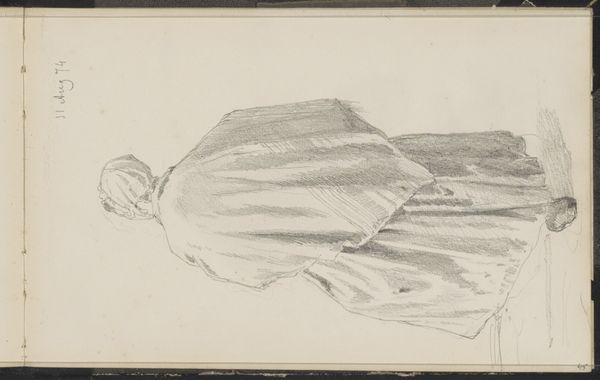
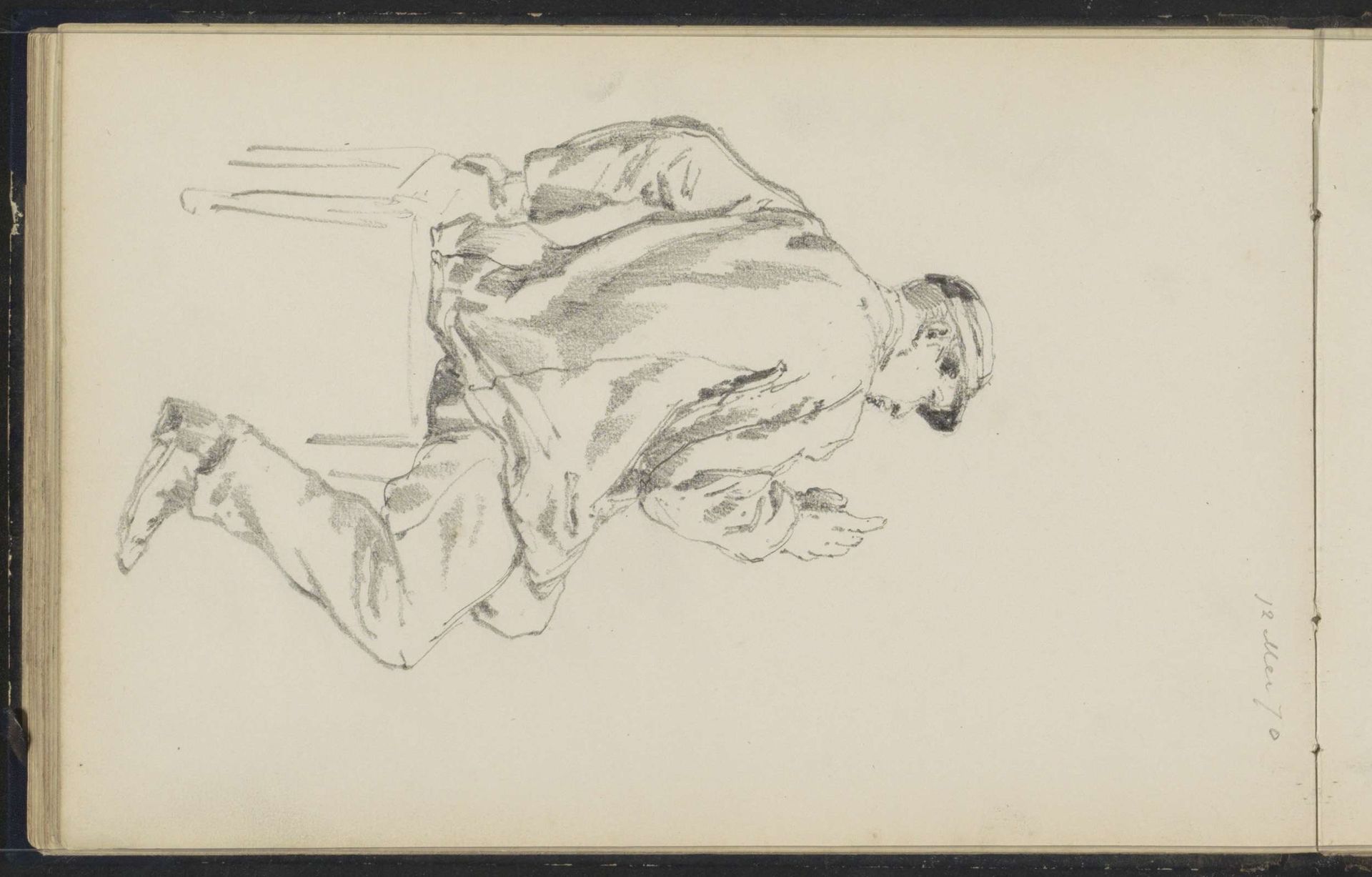
Cornelis Springer sketched this seated man with pencil on paper, and though simple, the gesture of the man’s outstretched hand is steeped in history. Throughout art history, the open hand symbolizes invitation, offering, or supplication. Think of classical orators, their arms extended, hands open, as they persuade crowds. Or consider the saints in medieval icons, their hands raised in blessing, palms forward, imparting grace. This gesture of openness is not merely physical; it speaks to a deep, human desire for connection and communication. Consider the use of hands by Leonardo da Vinci in the “Last Supper”, where each hand tells a story. Here, Springer captures an everyday moment, yet the echo of the open hand resonates. It reminds us that even in the quietest scenes, grand narratives of human experience and expression can be found. We are left to wonder: What is this man reaching for? What is he about to say? The power of the image lies in this very ambiguity, inviting our own interpretations.
Zittende man op een stoel
Possibly 1870 - 1875

Cornelis Springer
1817 - 1891Location
RijksmuseumArtwork details
- Medium
- drawing, pencil
- Location
- Rijksmuseum
- Copyright
- Rijks Museum: Open Domain
Tags
Comments
Share your thoughts
About this artwork
Cornelis Springer sketched this seated man with pencil on paper, and though simple, the gesture of the man’s outstretched hand is steeped in history. Throughout art history, the open hand symbolizes invitation, offering, or supplication. Think of classical orators, their arms extended, hands open, as they persuade crowds. Or consider the saints in medieval icons, their hands raised in blessing, palms forward, imparting grace. This gesture of openness is not merely physical; it speaks to a deep, human desire for connection and communication. Consider the use of hands by Leonardo da Vinci in the “Last Supper”, where each hand tells a story. Here, Springer captures an everyday moment, yet the echo of the open hand resonates. It reminds us that even in the quietest scenes, grand narratives of human experience and expression can be found. We are left to wonder: What is this man reaching for? What is he about to say? The power of the image lies in this very ambiguity, inviting our own interpretations.
Comments
Share your thoughts