1618 - 1655
Kruisiging van Christus

Cornelis Schut
1597 - 1655Location
RijksmuseumListen to curator's interpretation
Curatorial notes
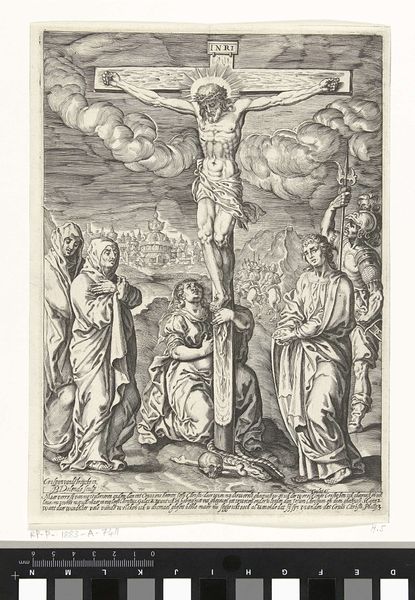
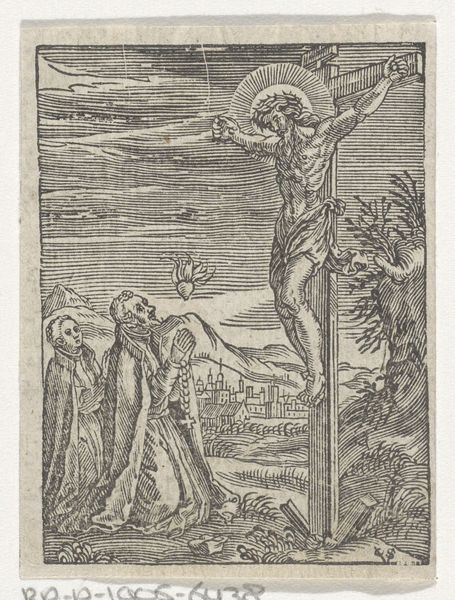
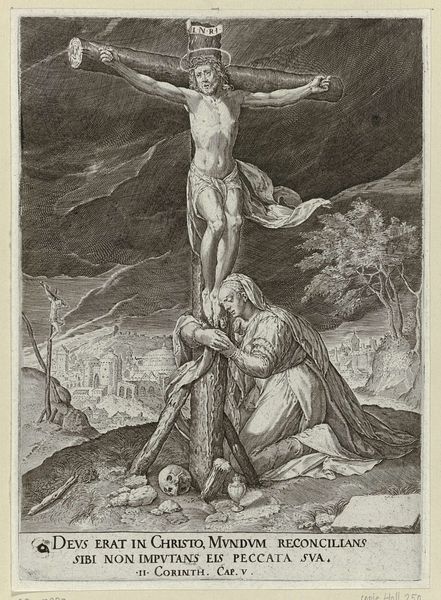
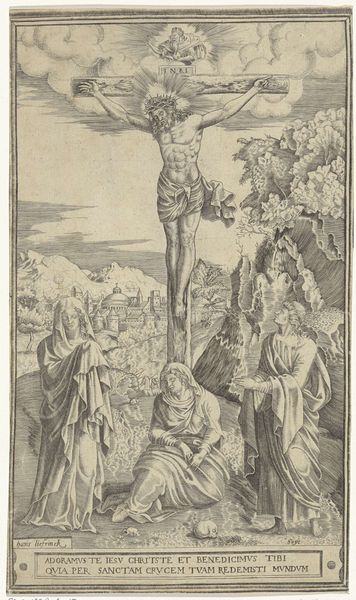
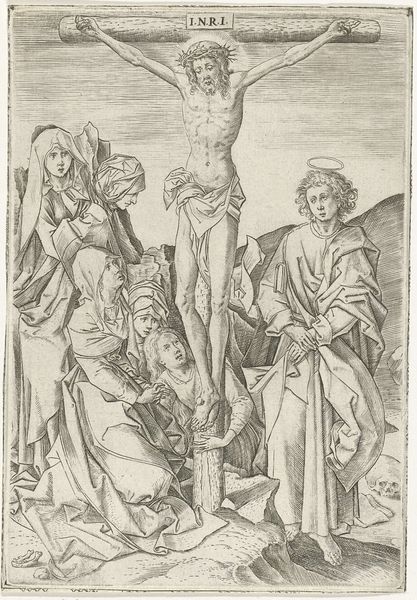
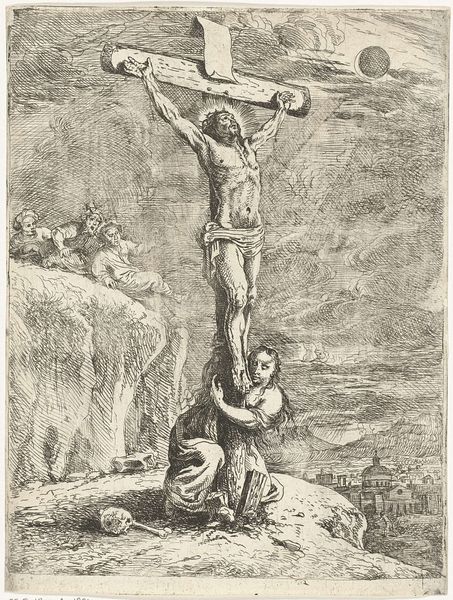
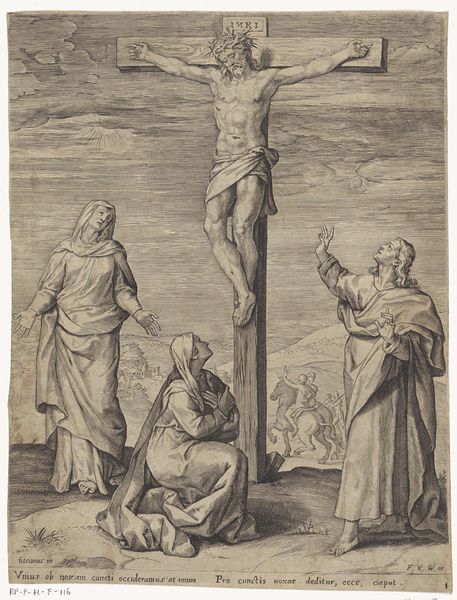
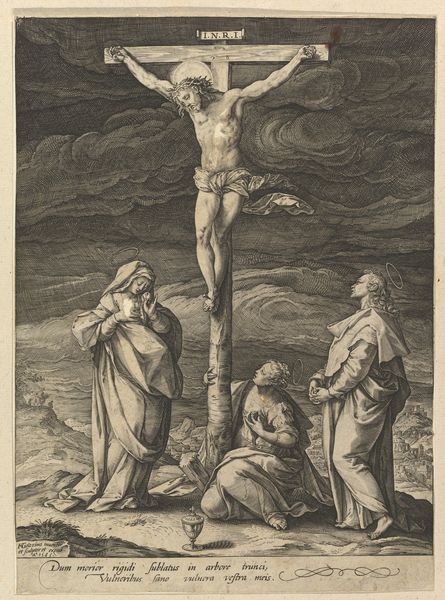
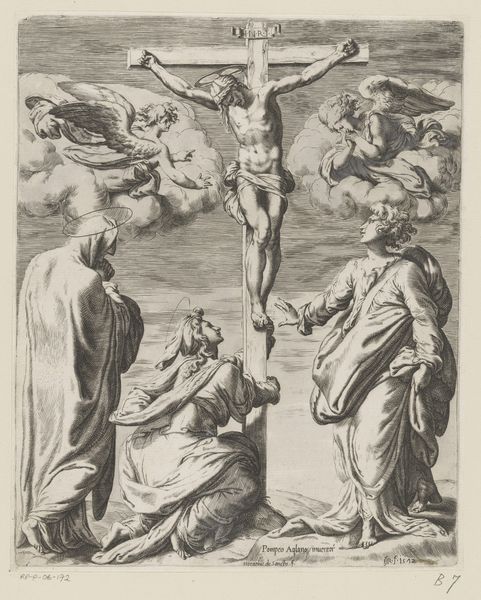
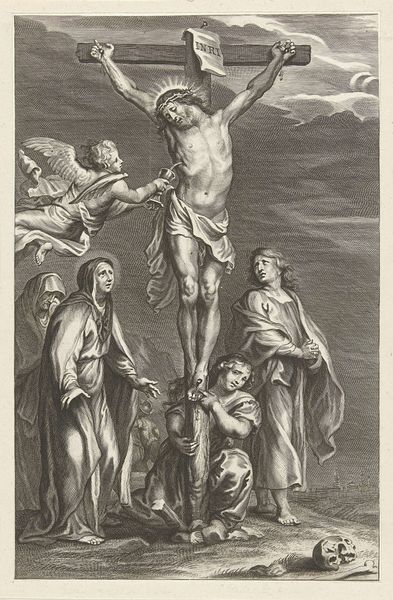
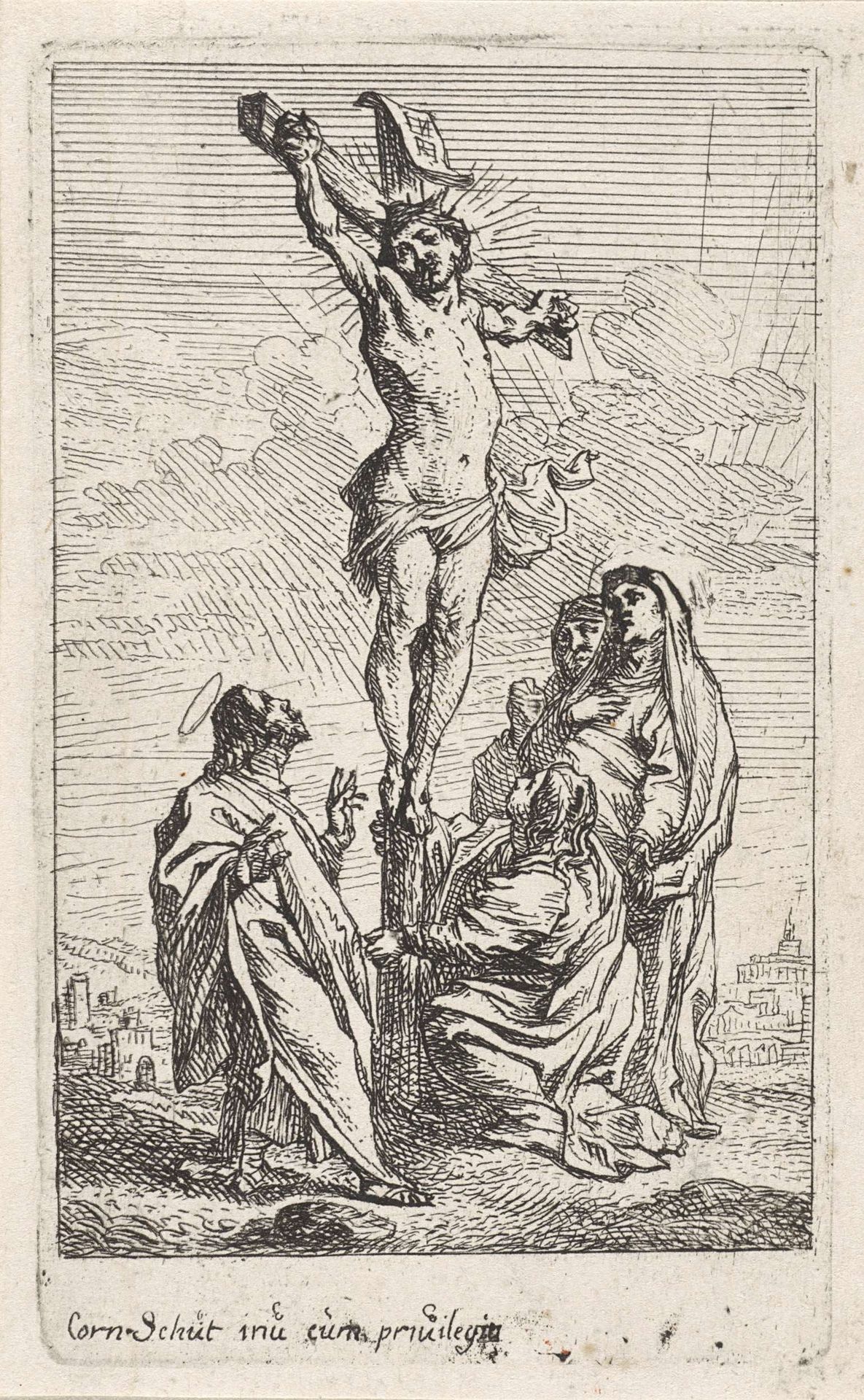
Cornelis Schut created this print of the Crucifixion in the 17th century using the engraving technique. An engraver uses a tool called a burin to manually carve lines into a metal plate, which is then inked and printed. The resulting image bears the mark of this process. See how the composition is entirely built from a network of precise, directional lines. Schut would have needed considerable skill and control to create the scene's tonality and drama. The cross-hatching gives the figures volume and depth. It's worth considering the social context of printmaking at this time. Prints like these had a devotional purpose, and were also relatively inexpensive to produce. This meant that religious imagery could be widely disseminated, playing a key role in shaping popular belief. This small print therefore reflects a complex intersection of artistic skill, religious practice, and early mass media. Appreciating its material origins helps us understand its cultural impact.