1670 - 1711
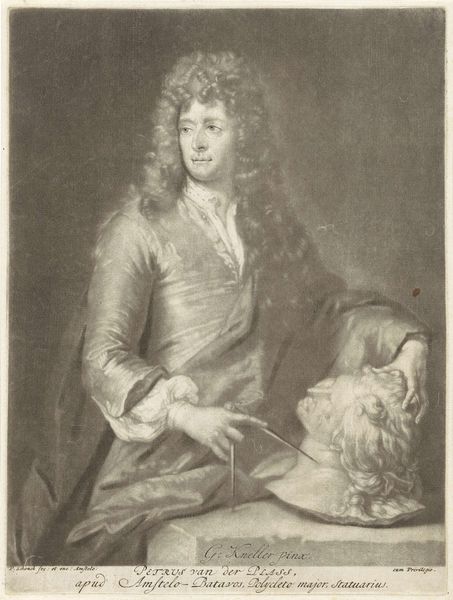
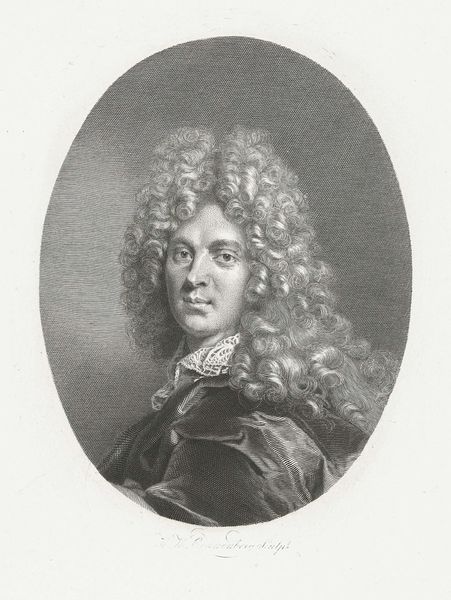
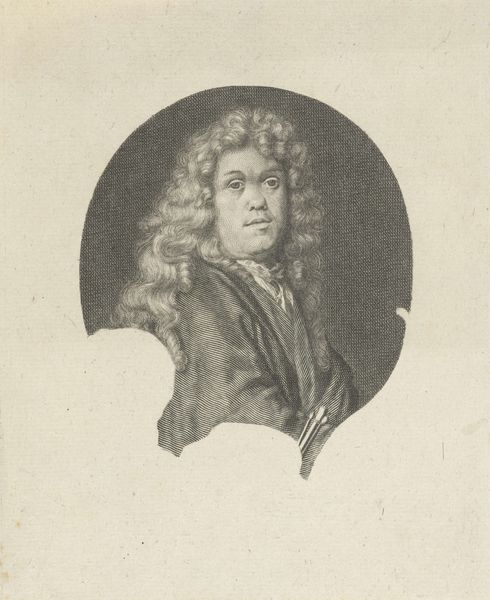
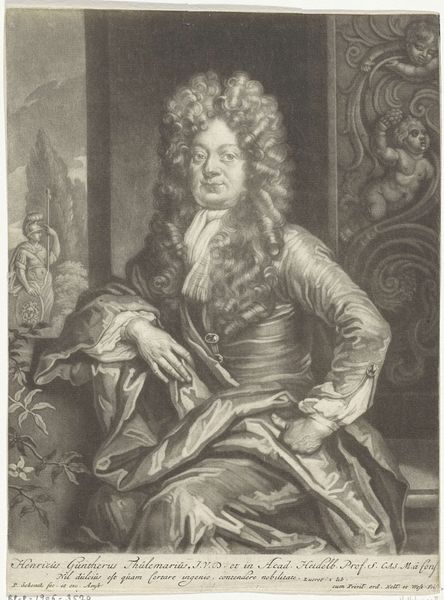
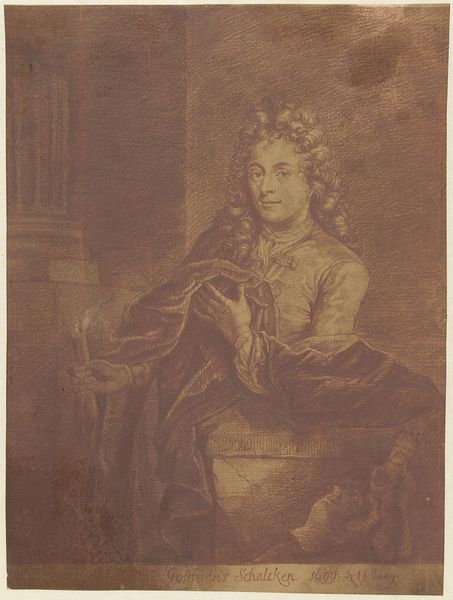
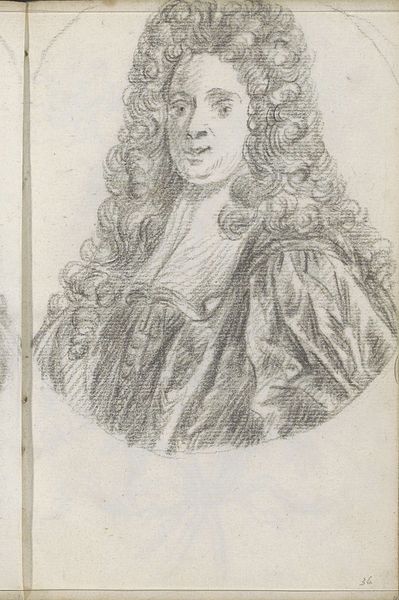
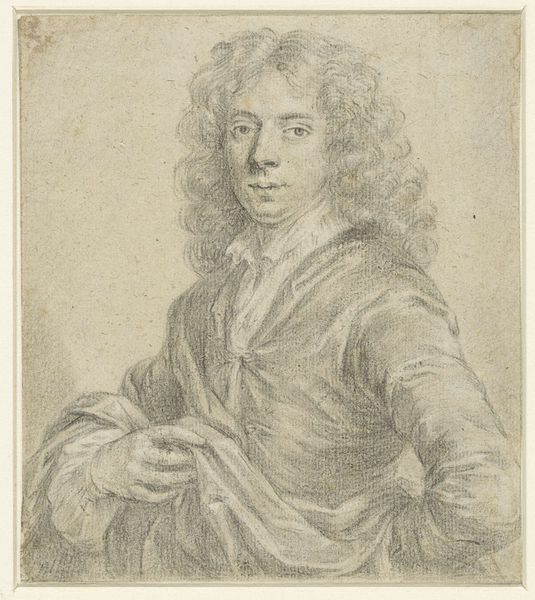
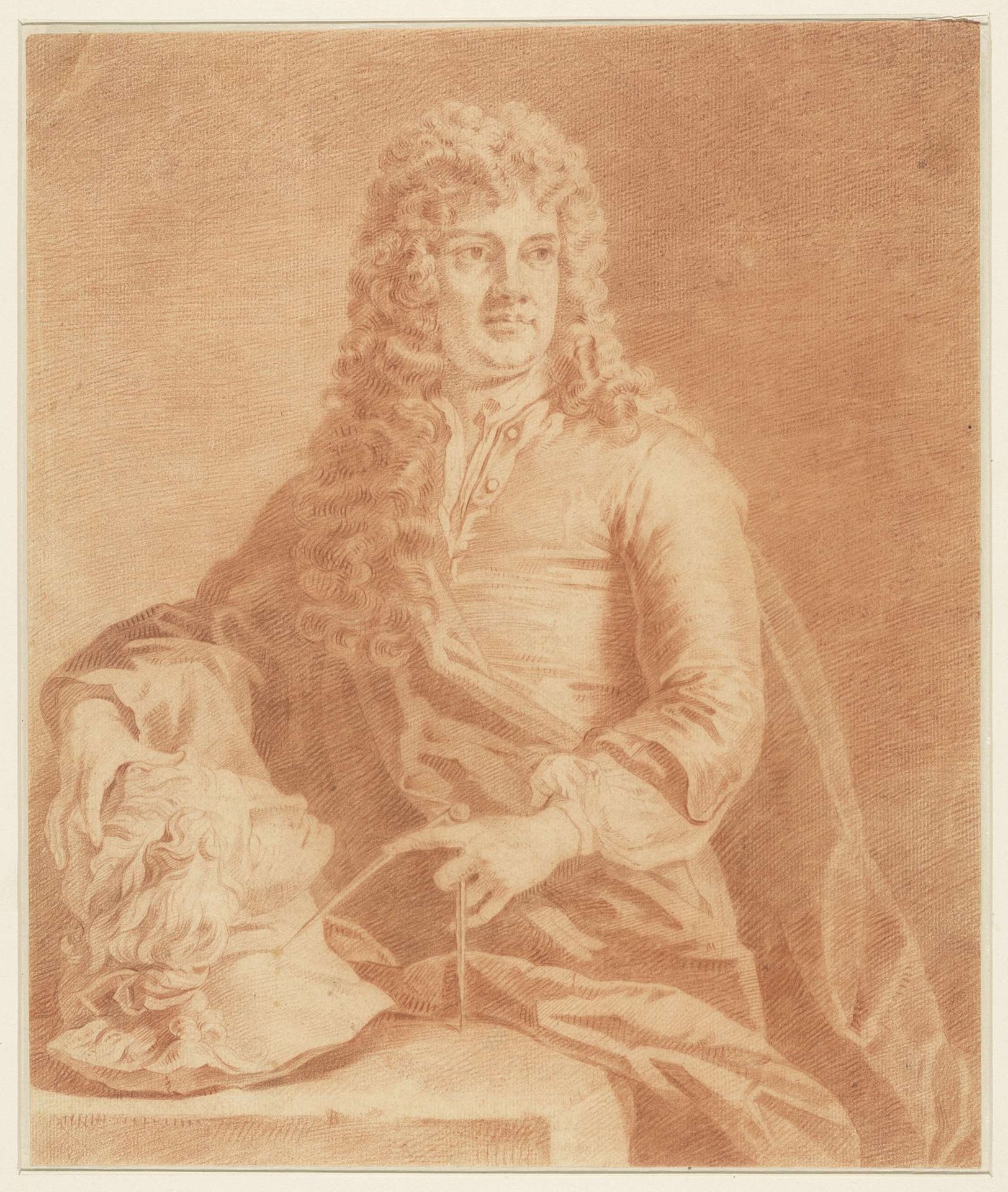
Portret van Pieter van der Plaes

Pieter Schenk
1660 - 1711Location
RijksmuseumListen to curator's interpretation
Curatorial notes
Pieter Schenk created this portrait of Pieter van der Plaes sometime between 1660 and 1711 using etching, a printmaking technique with a rich history. Schenk would have covered a metal plate with a waxy, acid-resistant layer, then scratched an image into it. Immersing the plate in acid would bite away the exposed lines, creating grooves to hold ink. This process, repeated multiple times, allowed Schenk to achieve a tonal range, capturing the subject's likeness and the folds of his garments. What's fascinating is the way this print mediates between different forms of production. Etching, unlike other forms of printmaking, mimicked the fluidity of drawing, yet its reproducible nature tied it to wider networks of distribution and consumption. We should also remember that this kind of portraiture served to cement the status of its sitter. By focusing on the etching process, we can understand this artwork not just as a representation but as a physical product embedded in the social and economic context of its time.